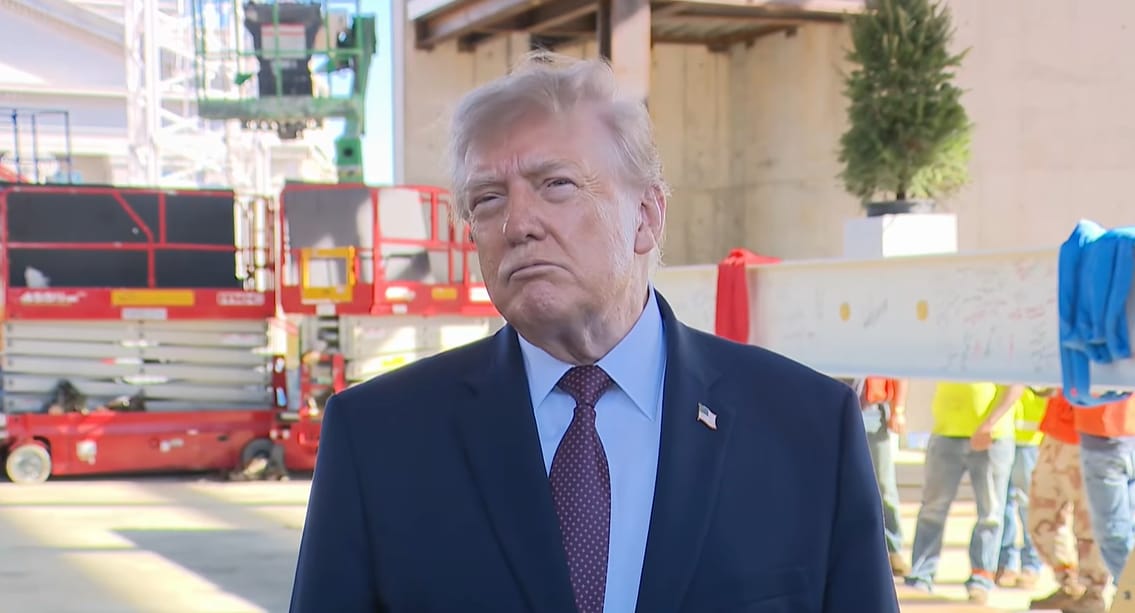
Elections rarely turn on a single foreign policy choice, but the fallout from a military conflict can shift domestic politics overnight. When Donald Trump admitted that the US war with Iran was "largely true" as the core reason for his party's midterm defeats, he stated what millions of voters felt at the pump.
The Republican wipeout in Congress wasn't just a routine setback. It was a loud, unvarnished referendum on a turbulent second term, rising inflation, and an overseas conflict that hit American wallets before it left the front pages.
The Cost of Conflict at the Gas Pump
Voters don't always parse complex geopolitical strategies, but they definitely notice when filling up their tanks costs significantly more. The military campaign against Iran, launched alongside Israel, triggered an immediate spike in crude oil and gasoline prices.
Trump himself conceded this reality when pressed on remarks by Vice President JD Vance pointing to the war as the primary catalyst for the losses. "I think it's largely true because it drove the gasoline prices up a little bit in the short term," Trump acknowledged.
That short-term pain at the pump translated into long-term electoral damage. In swing districts across the country, independent voters who might have tolerated other economic policies drew a hard line against rising energy costs tied directly to military action.
No Regrets Despite the Political Price
While acknowledging the electoral heavy lifting required to defend the conflict, Trump made it clear he would not change course. In interviews following the vote, he doubled down on his stance, stating plainly that if he had to face the same choice again, he would execute the exact same military strikes.
This defiance highlights a recurring theme in modern American politics: leaders often prioritize what they view as vital national security objectives over immediate electoral survival. Yet, the price of that conviction was steep. Democrats seized control of both chambers of Congress, completely altering the legislative leverage in Washington and setting the stage for gridlock.
The Domino Effect Across the Map
The electoral map turned brutal for Republicans very quickly. Even high-profile figures and staunch administration loyalists felt the ground shift under their feet. In Ohio, the seat vacated by JD Vance when he moved to the vice presidency flipped blue, and the state elected a Democratic governor.
International adversaries watched closely. Iranian officials were quick to frame the midterm outcome as a political defeat for the White House, attempting to turn battlefield friction into a narrative of domestic weakness. Meanwhile, traditional diplomatic leverage with global powers like China and Russia faced immediate recalculation as a weakened executive branch tried to manage a newly empowered opposition in Congress.
Facing a Divided Washington
With Democrats now holding the reins of legislative power, the dynamic in Washington has inverted. Investigations, funding bills, and federal appointments will face aggressive scrutiny. Trump has already signaled that he is ready to use his veto pen to block incoming legislation, setting up a classic constitutional standoff for the remainder of his term.
The midterm results proved that foreign entanglements carry immediate domestic consequences. Leaders can claim historical justification for military actions all they want, but voters ultimately settle the score at the ballot box when the cost of living climbs.