Language matters when bullets fly.
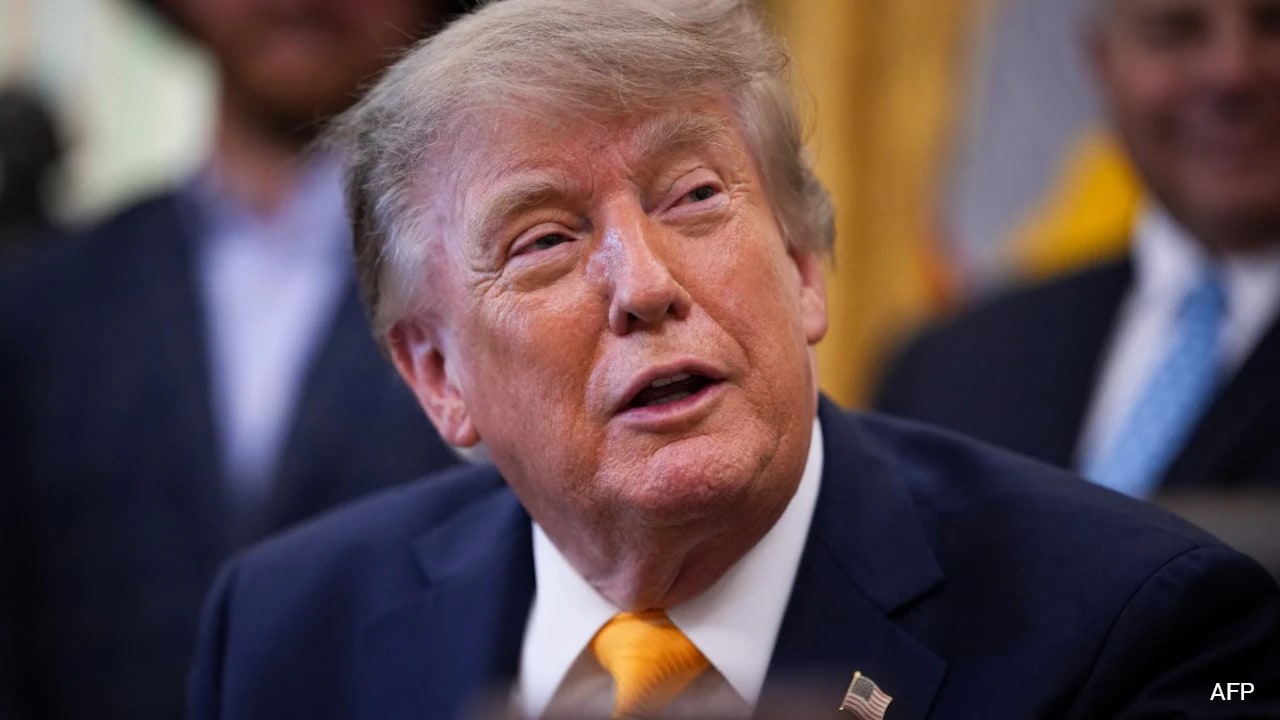
When Donald Trump recently dismissed the ongoing US-Iran military engagement as "small potatoes," he wasn't just tossing out another casual soundbite. He was dropping semantic anchors to manage political fallout. Words like "conflict," "war," and "operation" carry distinct legal and electoral weights. If you look closely at Washington right now, you'll see a frantic administration working overtime to rebrand a grinding six-month confrontation. Building on this topic, you can also read: Why The Nepal Tunnel Rescues Matter While Thousands Remain Missing.
Why? Midterm elections are looming. Voters hate high gas prices. No politician wants a sprawling foreign entanglement dragging down their party at the ballot box.
The Semantics of Conflict
Let's unpack what the White House is trying to do. Vice President JD Vance started the rhetoric shift by refusing to use the word "war." Trump doubled down shortly after in the Oval Office, telling reporters that people shouldn't get hung up on terminology. Observers at The Washington Post have shared their thoughts on this matter.
"I call it a military conflict because it's small potatoes for us," Trump said while hosting cattle ranchers for executive order signings.
He compared the current situation to past interventions, grouping foreign policy actions into a bucket of quick successes. But calling eighteen dead US service members and thousands of Iranian casualties "small potatoes" rubs a lot of people the wrong way. Families of fallen troops aren't playing semantics. They see casualties, grief, and a conflict that refuses to tidy itself up.
Yet, from a purely realpolitik standpoint, the administration is calculating that voters care more about fuel costs at the pump than strategic stalemates in the Strait of Hormuz.
The Real Cost at the Pump
Energy prices drive American voting habits faster than almost anything else. Tehran knows this dynamic well. By disrupting shipping traffic in the strategic Strait of Hormuz, Iran has managed to keep pressure on global energy markets.
When tanker traffic slows down, oil supplies tighten. When supplies tighten, you pay more to fill your tank.
The administration insists the US basically controls the waterway and has decimated Iran's military capabilities. Independent tracking and shipping data tell a slightly messier story. Intermittent strikes don't equal total control. They equal a low-grade, persistent friction that keeps shipping insurance rates high and energy markets volatile.
If you are trying to budget your household expenses this year, you are already feeling the ripples of this "small potatoes" conflict. Every spike in Brent crude translates directly to groceries, delivery fees, and daily commutes.
Past Quagmires Versus Modern Strikes
Trump loves to contrast current actions with historical nightmares like Vietnam or Iraq. His argument rests on the idea that modern US involvement relies on stand-off weapons, targeted strikes, and technology rather than massive boots-on-the-ground occupations.
It is a fair tactical distinction. We aren't seeing hundreds of thousands of troops deployed for nation-building exercises.
However, calling a war "small" doesn't make it cheap or entirely contained. Modern military budgets run in the hundreds of billions. Munitions get depleted faster than factories can replenish them. When intercepting drones costs millions per shot while the drones themselves cost a fraction of that, the economic asymmetry adds up.
Ignoring the long-term strategic debt of these engagements is a classic political move. Win the news cycle today. Worry about the regional blowback tomorrow.
What You Should Do Right Now
You can't control what presidents say in the Oval Office, but you can manage your exposure to the fallout of geopolitical posturing.
- Hedge your energy costs: Expect fuel and utility price volatility to stick around through the midterm cycle. Build a buffer into your monthly transport and heating budgets.
- Diversify your portfolio awareness: Supply chain bottlenecks caused by Middle Eastern shipping disruptions affect logistics, manufacturing, and retail stocks. Keep an eye on how transport costs impact the companies you invest in.
- Look past the spin: Whether Washington calls it a war, a conflict, or a minor disagreement, watch the underlying metrics. Monitor oil inventories, shipping insurance rates, and actual casualty reports rather than political talking points.
The rhetoric will shift as November gets closer. The reality on the ground usually takes much longer to change.