When an American prisoner leaves a Russian penal colony, it usually comes with a heavy price tag. Moscow rarely lets high-profile foreign detainees go without getting something major in return. That is why Stephen Hubbard's unexpected release without a prisoner swap caught everyone off guard.
If you've followed geopolitical tensions over the last decade, you know how rigid prisoner negotiations between Washington and Moscow usually work. It is a grueling, transactional game of high-stakes trading. You give back an arms dealer or a high-ranking intelligence asset, and they return an American.
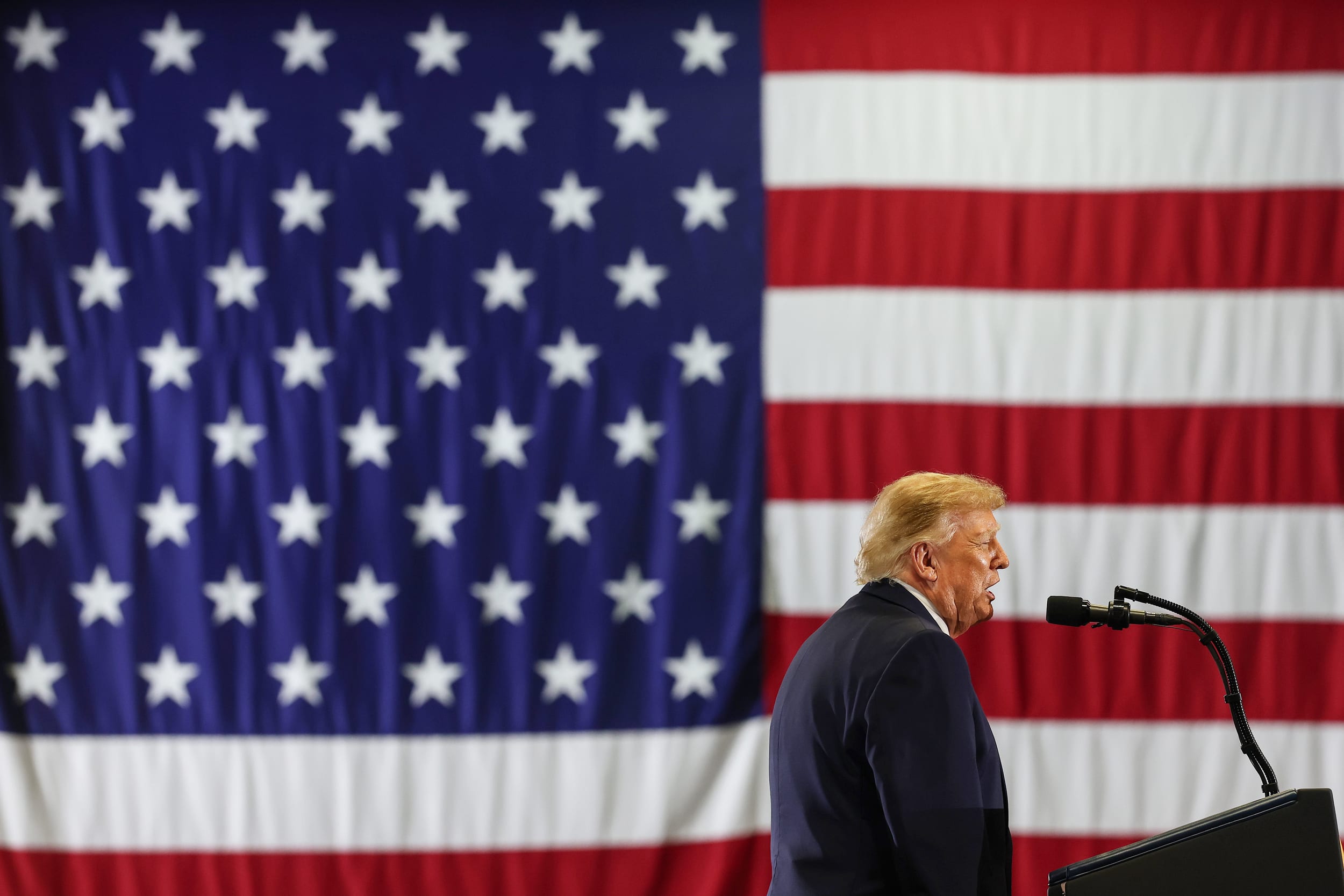
Stephen Hubbard's case broke that predictable mold. President Donald Trump didn't mince words about it, calling the unconditional release completely unprecedented.
Who Is Stephen Hubbard and How Did He End Up in Russian Custody?
Hubbard isn't a diplomat, a high-level government official, or a modern spy. He is a retired English teacher in his seventies who had been living in Ukraine for years. When the war escalated, he stayed put in the city of Izium.
In October 2024, a Russian court handed him a nearly seven-year prison sentence behind closed doors. The charge? Working as a mercenary supporting Ukrainian forces. Hubbard and his family consistently contested those claims, pointing out his age and civilian background. Spending months in a Russian penal facility at seventy-something is practically a life sentence.
Yet, diplomacy moved quickly once high-level backchannels opened up. US special envoy Steve Witkoff traveled to meet Vladimir Putin directly. According to Russian state reports, Putin announced Hubbard's release right there during their meeting, noting the older American was already waiting at Pulkovo Airport in Saint Petersburg to board a flight home.
Why This Release Broke the Rules of Modern Diplomacy
Most prisoner releases involving Russia follow a strict quid pro quo structure. Think back to past high-profile exchanges involving arms traffickers, cybercriminals, or detained spies held in Western prisons. Moscow wants concrete leverage to bring home Russians jailed abroad.
Trump made it crystal clear on Truth Social that Washington gave up nothing. No Russian prisoners flew back to Moscow. No major concessions were handed over at the negotiating table.
Why would Putin agree to an unconditional release? Trump linked the breakthrough directly to ongoing diplomatic leverage regarding trade sanctions and tariffs targeting Moscow. The message was simple: keeping communication channels open and avoiding immediate escalations created enough diplomatic space to secure Hubbard's freedom without a classic trade-off.
Putin even received praise from US officials for the move, with Witkoff publicly describing the Russian leader's decision through a humanitarian lens. Whether that rhetoric signals a broader thaw in relations or just a singular gesture remains to be seen.
What This Means for Other Americans Detained Abroad
When a major prisoner release happens without a swap, families of other detained Americans naturally look for signs of hope. But foreign policy experts warn against assuming this creates a new baseline.
Russia still holds several other US citizens, and every single case operates under entirely different geopolitical pressures. What worked for a retired septuagenarian teacher might not apply to individuals facing different types of criminal charges or political accusations.
Still, seeing a prisoner return home to his family without trading dangerous criminals back to Moscow changes the playbook. It proves that direct appeals and high-level envoy discussions can sometimes bypass the brutal arithmetic of traditional prisoner swaps.
Stephen Hubbard is finally heading back to the United States. For his family, the geopolitical chess match doesn't matter nearly as much as having him home. But for foreign policy watchers, the ripples of this unusual release will be analyzed for months to come.