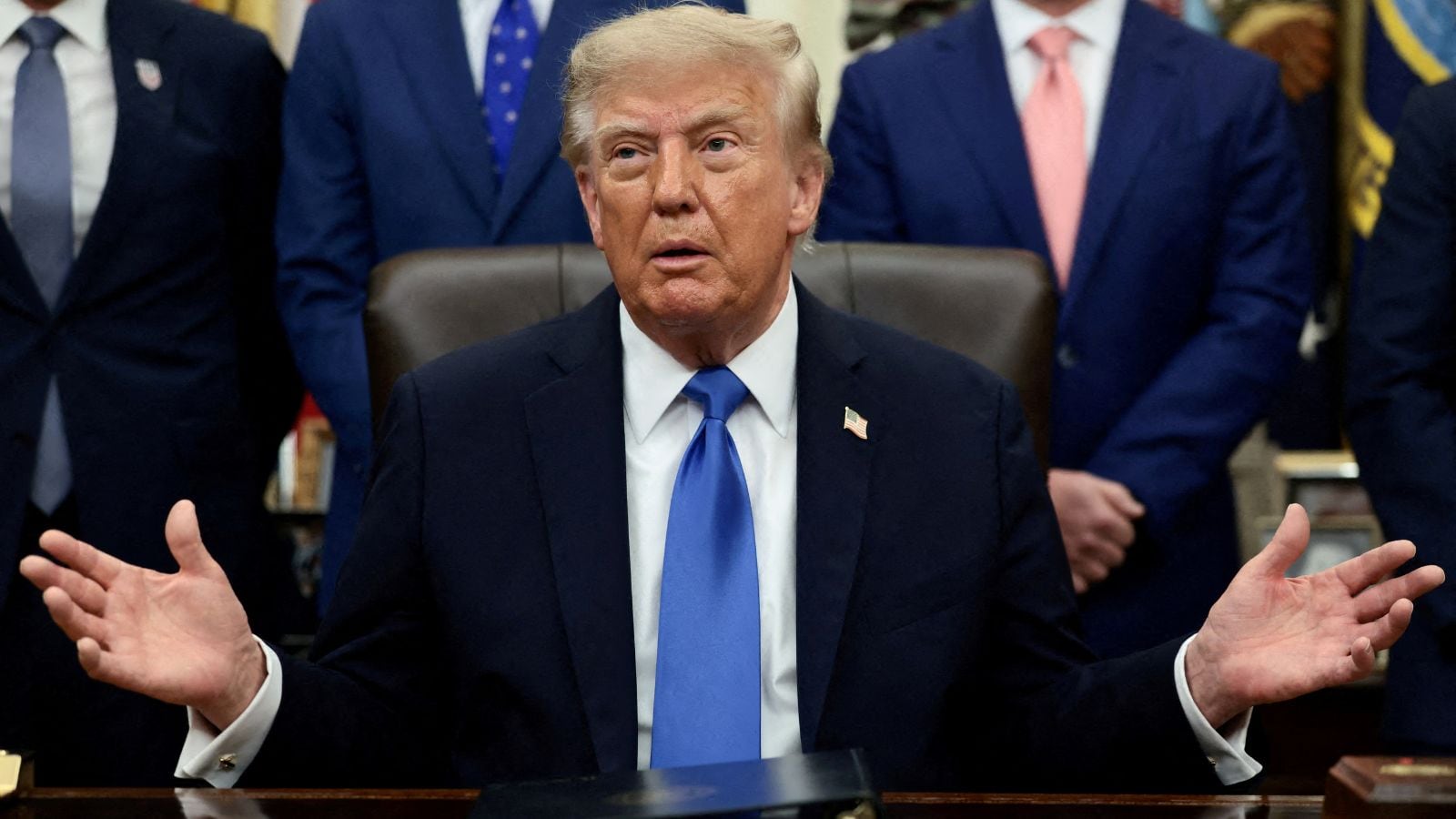
Trade wars rarely start overnight. They brew behind closed doors, build through heated rhetoric, and explode when politicians decide it is time to score domestic points. Right now, the relationship between Washington and Ottawa is heading toward a cliff. Donald Trump is ramping up pressure on Canada, claiming our northern neighbor has been riding for free on American economic and security generosity for decades.
If you think this is just standard political blustering, you are missing the bigger picture. Tariffs are coming. Supply chains are about to get complicated. And businesses on both sides of the border are scrambling to figure out what happens next.
Let us break down what is actually happening with this tariff dispute, why the White House is using the phrase "free ride," and what this means for your wallet.
The Reality Behind the Free Ride Narrative
Washington has a long-standing grievance regarding trade imbalances and defense spending. When officials talk about Canada's free ride, they point to a few specific pressure points.
First, trade deficits. The United States buys massive amounts of Canadian oil, automotive parts, timber, and electricity. American leadership has historically argued that Canadian trade barriers on American dairy and agricultural products tilt the playing field unfairly.
Second, defense commitments. Canada has routinely fallen short of spending two percent of its Gross Domestic Product on NATO defense. While European nations face the same criticism, Canada's proximity makes its defense budget a frequent target for American politicians who argue that the US military subsidizes continental security.
Put these ingredients together, and you get a powerful political narrative. It is an easy sell to voters who feel American industries have taken a backseat to foreign competition. But the implications stretch far beyond soundbites.
How Tariffs Will Actually Hit the Market
Tossing around numbers like twenty-five percent tariffs sounds like boardroom hyperbole until you look at how tightly integrated the North American economy is.
Think about how an automobile is built today. A car part might cross the US-Canada border four or five times before the final vehicle rolls off the assembly line. Every single time that part crosses an international boundary under a heavy tariff regime, the cost increases.
Who pays that tax? It is not the foreign government. It is the manufacturer, the distributor, and ultimately you at the dealership or the grocery store.
Industries facing the immediate heat include:
- Energy sectors relying on Canadian crude oil imports
- Automotive manufacturing hubs in Michigan, Ontario, and Ohio
- Lumber and construction supply chains dependent on Canadian timber
- Agricultural markets exchanging dairy, wheat, and beef
When tariffs drop, prices spike. It is simple math. Companies that spent decades optimizing their supply chains for cross-border efficiency are now dusting off contingency plans they hoped they would never need.
The Canadian Response and Political Calculations
Ottawa is not sitting still. Canadian officials know that capitulating immediately to heavy tariff threats is political suicide at home. Leaders in Parliament have to look tough while quietly working behind the scenes to negotiate carve-outs and exemptions.
Canada has its own leverage. Millions of American jobs depend on exports heading north. Entire US states rely on Canadian energy to keep their lights on and factories running. Ottawa can—and will—target specific American agricultural and manufactured goods with retaliatory duties if Washington pulls the trigger.
This creates a high-stakes game of economic chicken. Both sides know that a full-scale trade war will cause inflation spikes and slow down growth in North America. Yet, domestic political incentives often override economic caution.
What You Need to Do Right Now
If you run a business that touches cross-border trade, hoping for the best is a terrible strategy. You need to take inventory of your supply chain immediately.
Audit your tier-one and tier-two suppliers. Find out where your raw materials originate. If a critical component comes from across the northern border, start looking at domestic alternatives or buffer your inventory before duties go into effect.
Consumers should brace for localized price bumps. If you are planning a major home renovation involving lumber, or if you are in the market for a new vehicle, keeping an eye on trade policy developments will help you time your purchases wisely.
This dispute is not going away anytime soon. Expect aggressive headlines, sudden policy announcements, and plenty of volatility. Stay informed, look past the political theater, and protect your bottom line.