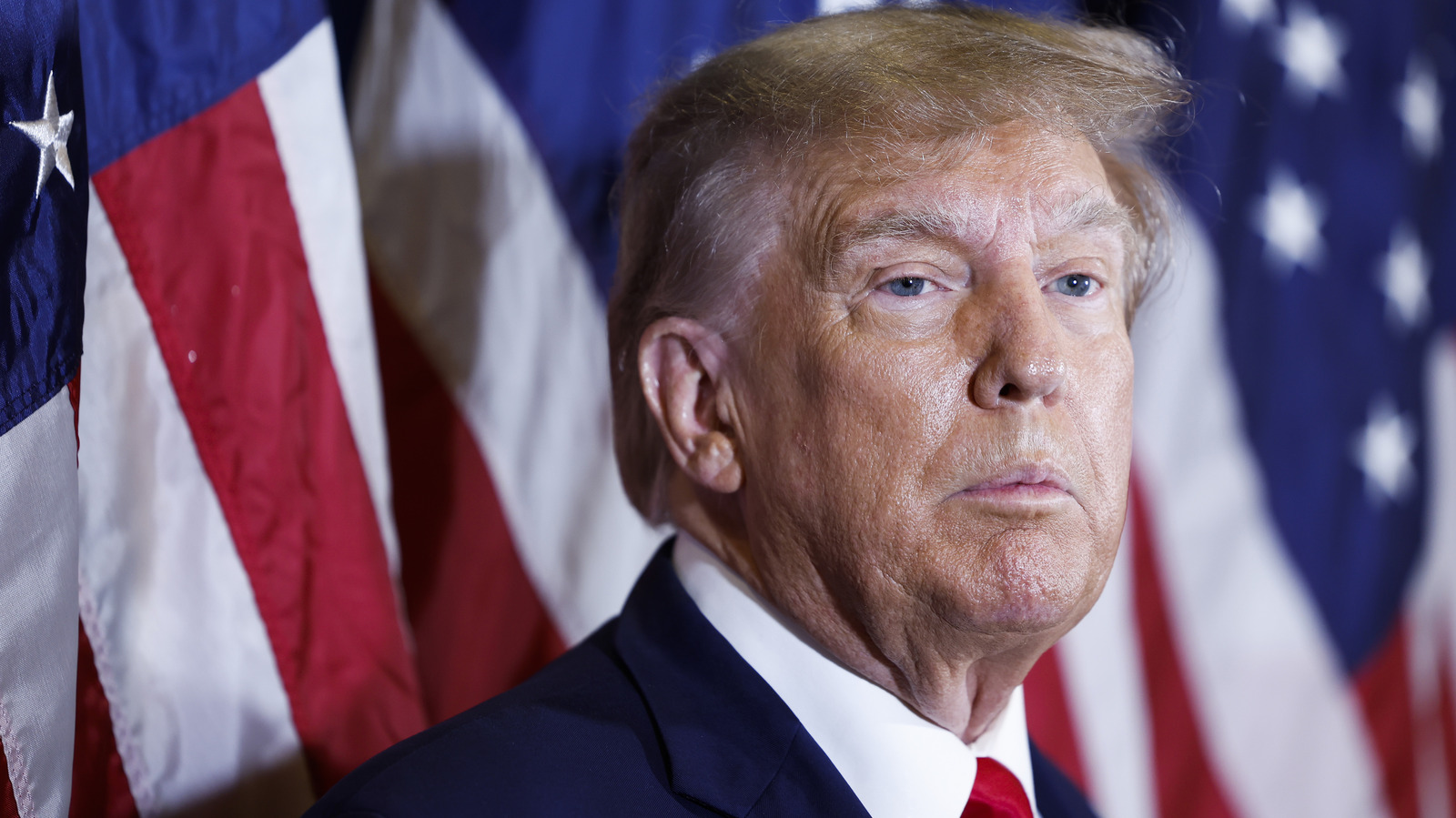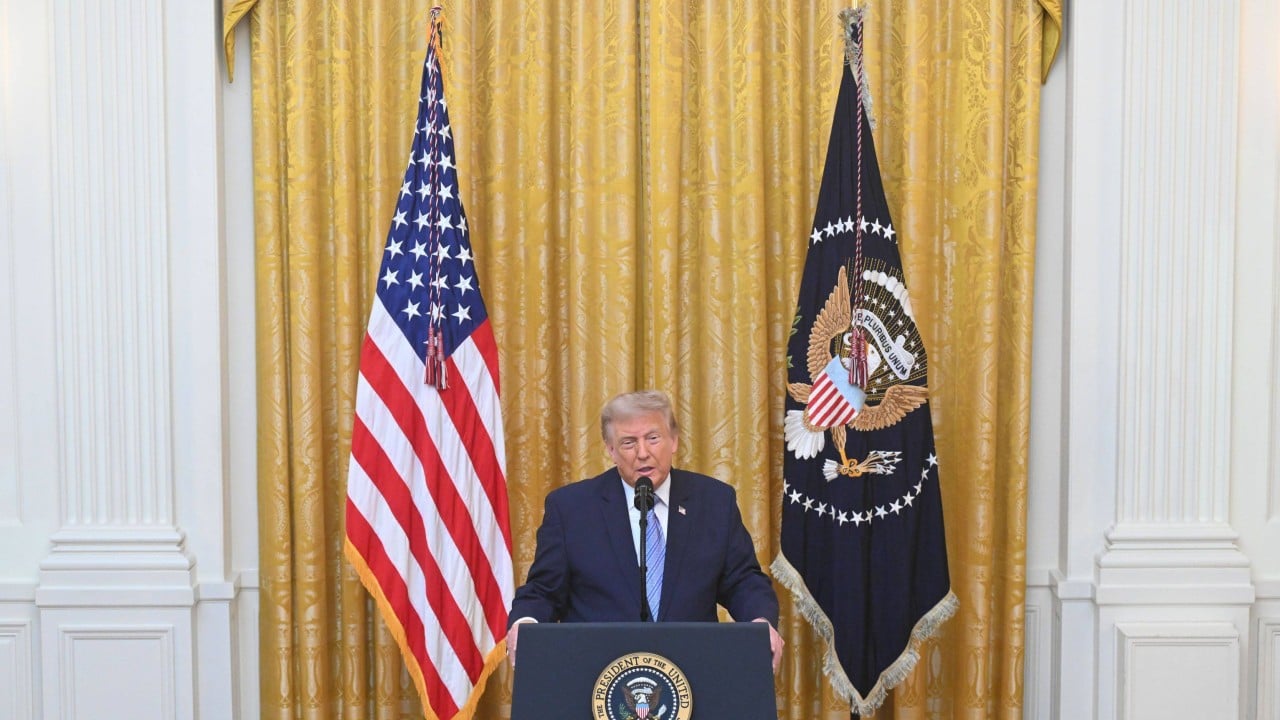
Political rhetoric has consequences. When former President Donald Trump ramps up claims that China is actively sabotaging US elections, the fallout doesn't stay in Washington or Beijing. It lands on the doorsteps of everyday citizens. Asian Americans are bracing for impact, terrified that these high-level geopolitical accusations will translate directly into street-level hostility.
It’s a pattern we’ve seen before. The anxiety isn't theoretical; it’s rooted in recent, painful history. During the peak of the COVID-19 pandemic, phrases like "China virus" and "kung flu" coincided with a massive spike in anti-Asian hate crimes across the United States. Now, as the political temperature rises, community leaders fear a second wave of scapegoating. This time, the accusation isn't about public health. It’s about democratic betrayal. If you found value in this post, you might want to read: this related article.
The core of the issue is a dangerous conflation. Political candidates frequently blur the line between the actions of the Chinese Communist Party and the millions of people of Asian descent living in America. For the average person walking down the street, that distinction gets lost entirely. When a major political figure suggests that China is infiltrating American institutions to alter election outcomes, anyone who looks like the perceived adversary becomes a potential target for suspicion.
The Cost of Political Finger Pointing
Scapegoating isn't a new weapon in the political playbook. History shows that during times of economic distress or national insecurity, blaming an external enemy—or a visible minority tied to that enemy—is a quick way to rally a political base. Stop AAPI Hate, a coalition that tracks incidents of hate and discrimination, documented over 11,000 hate incidents against Asian Americans and Pacific Islanders between March 2020 and March 2022. The correlation between aggressive political framing and public hostility is undeniable. For another angle on this event, see the latest coverage from Reuters.
When the narrative shifts from trade wars to active election subversion, the danger escalates. Election interference implies treason, espionage, and a direct threat to the American way of life. If the public is continuously told that Beijing is pulling the strings behind the scenes, public trust erodes. That suspicion naturally bleeds into how Asian American voters, candidates, and community leaders are perceived.
Look at what happens to Asian Americans running for public office. They face intense scrutiny regarding their loyalty, fundraising sources, and family ties overseas. It creates a chilling effect. Qualified individuals choose to stay out of public service rather than subject themselves and their families to bad-faith accusations of dual loyalty.
Deconstructing the Interference Narrative
Is foreign interference a real issue? Yes. Intelligence agencies routinely warn about cyber operations, disinformation campaigns, and influence strategies originating from Beijing, Moscow, and Tehran. The Department of Justice has indicted individuals associated with foreign government plots to harass or spy on dissidents within the US. These are real national security challenges that require serious, targeted responses.
But there is a vast gulf between precise intelligence work and broad rhetorical attacks.
Serious policymakers focus on hardening cyber infrastructure, securing voting systems, and regulating dark money in politics. They don't use language that incites public fear against an entire demographic. When political rhetoric relies on sweeping generalizations, it undermines the actual security work being done. It trades long-term societal cohesion for short-term electoral gain.
The reality on the ground is that the Asian American community is incredibly diverse. It comprises dozens of distinct ethnic groups, languages, and political viewpoints. Treating this population as a monolith that acts in lockstep with a foreign government is lazy analysis. It's also incredibly damaging.
How Communities and Individuals Can Push Back
Waiting for politicians to moderate their tone is a losing strategy. The current media environment rewards polarization and outrage. Protecting communities requires proactive, organized action at the local and national levels.
First, media literacy needs a massive upgrade. Voters must learn to separate legitimate reports on foreign policy from sensationalized campaign rhetoric designed to trigger fear. When a headline drops about foreign influence, look for the specific actors involved. Is it a specific state agency, or is the article using vague language that implies an entire nationality is responsible?
Second, local solidarity matters. Community organizations are building coalitions across different racial and socioeconomic lines to ensure that local law enforcement, school boards, and city councils understand the unique risks facing Asian American residents during high-stakes election cycles. Reporting mechanisms for bias incidents must remain accessible, clear, and trusted.
If you want to counter the toxic effects of political scapegoating, support organizations working on the front lines. Groups like the Asian American Legal Defense and Education Fund (AALDEF) and local legal aid societies provide the necessary infrastructure to fight discrimination when it occurs. Vote for candidates who demonstrate the ability to critique foreign governments without demonizing domestic populations. Speak up when you hear friends, family, or colleagues parroting talking points that link national security anxieties to specific groups of people. Real security comes from a united, resilient society, not one fractured by suspicion and fear.