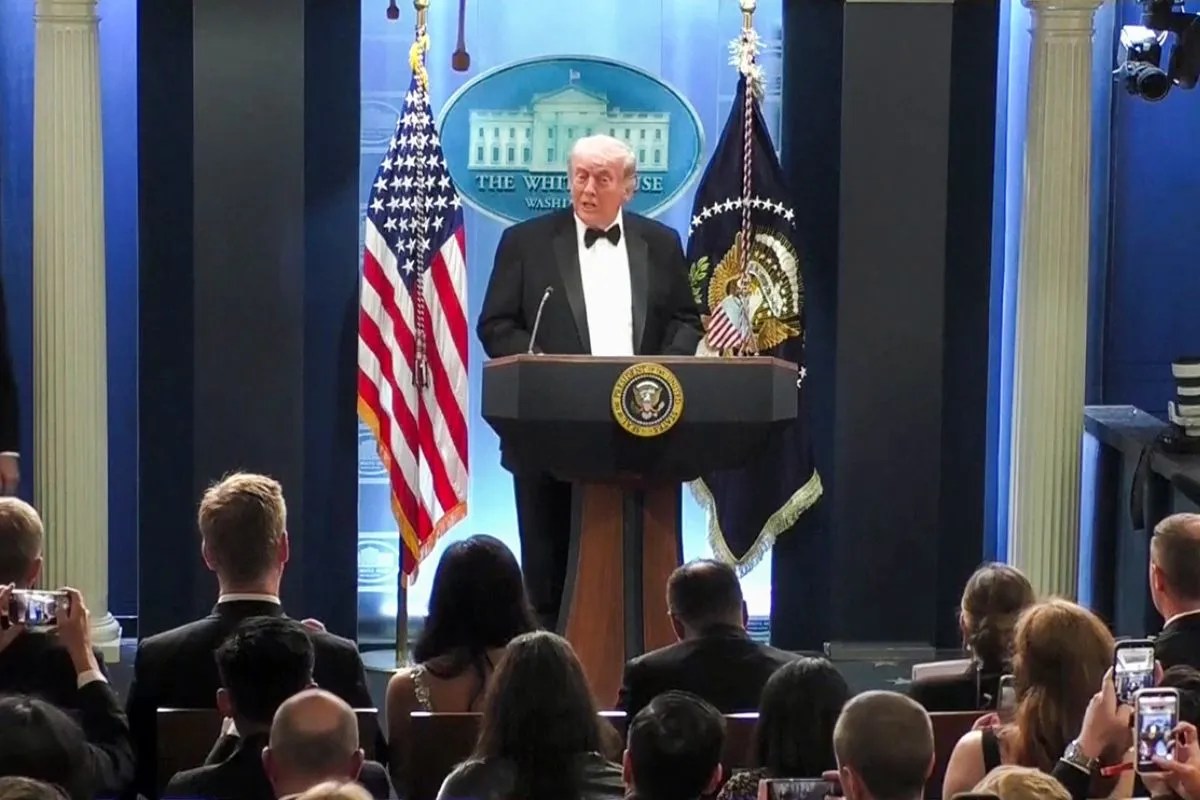
The rhetoric between Washington and Tehran just hit a terrifying new peak. Donald Trump didn't mince words in a recent Fox News interview, claiming outright that if Iran possessed nuclear weapons, they would have already used them to wipe out Israel and destabilize the entire Middle East. It's a bold accusation that cuts straight to the core of ongoing military escalations, but it forces us to look closer at what's actually happening on the ground in the Persian Gulf.
The Reality Behind the Rhetoric
Let's cut through the noise. When a high-profile leader warns about nuclear annihilation, people panic. But this isn't just loose talk; it comes on the heels of direct kinetic strikes. American forces recently targeted Iranian launcher assets on Larak Island near the Strait of Hormuz. Why Larak Island? Because it's a critical chokepoint. Tehran uses these positions to monitor maritime traffic and lay down naval mines, effectively holding global energy supplies hostage.
Geopolitical analysts at universities like George Washington University point out that neutralizing Larak Island isn't just about stopping a single missile battery. It's a calculated move to blind Iran's surveillance capabilities across its entire southern coast. When you look at the sequence of events since July, a clear pattern emerges: the US military is methodically stripping away Tehran's asymmetric warfare advantages.
The Retaliation Cycle
Iran didn't just absorb the blow and stay quiet. Tehran fired medium-range ballistic missiles targeting US military installations in Jordan. Jordan's air defense systems successfully intercepted and blocked at least eight of those incoming projectiles before they hit anything critical.
Pentagon officials were quick to downplay the effectiveness of Iran's response. An official briefing to Al Jazeera noted that these missile barrages actually prove Iran's conventional military power isn't what it used to be. When your primary retaliation gets intercepted mid-air by regional allies, it exposes severe limitations in your strike capabilities. Still, the risk of miscalculation remains dangerously high.
What's Next for the Persian Gulf
We're sitting on a powder keg where every action triggers an immediate counter-action. Trump's assertions about nuclear weapons serve a dual purpose: they justify aggressive preemptive defense measures like the Larak Island strike and rally international pressure to keep strict curbs on Iran's nuclear program.
If you're watching global markets or security trends, don't expect this friction to vanish overnight. The Strait of Hormuz remains one of the most volatile waterways on Earth, and every minor skirmish brings the region closer to an unmanageable flashpoint. Stay alert, watch the maritime updates, and don't take diplomatic posturing at face value.


