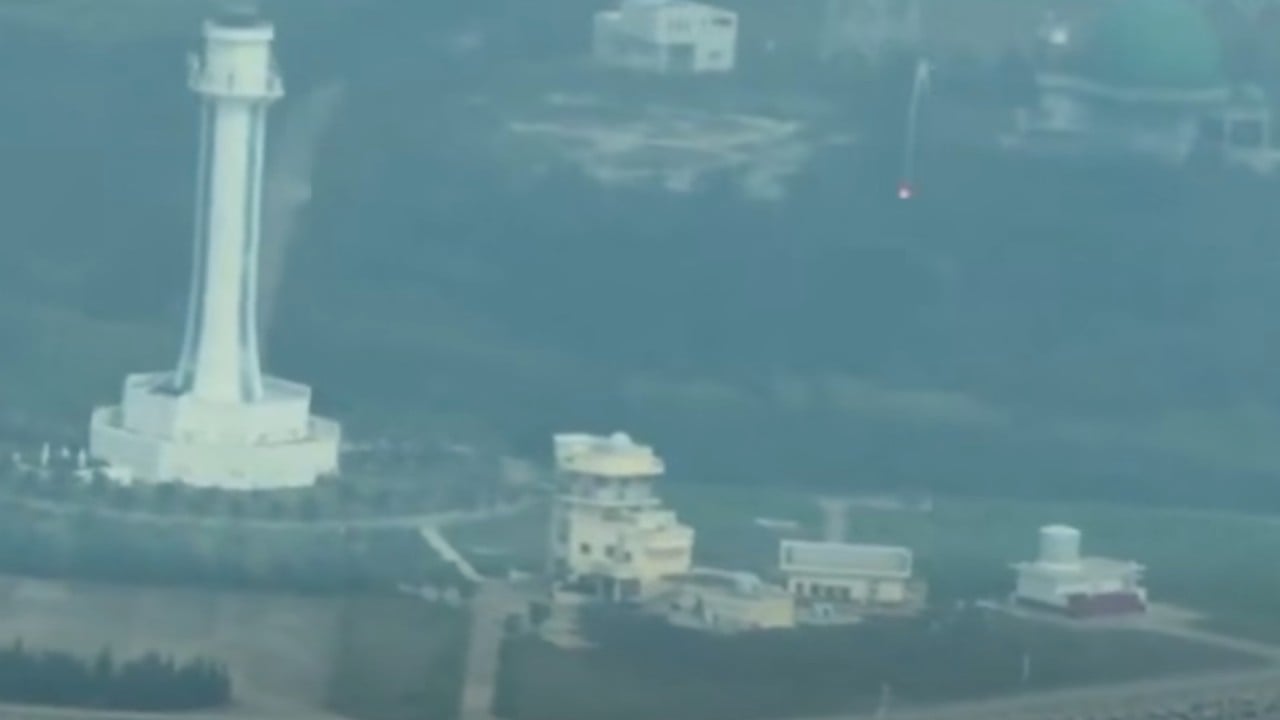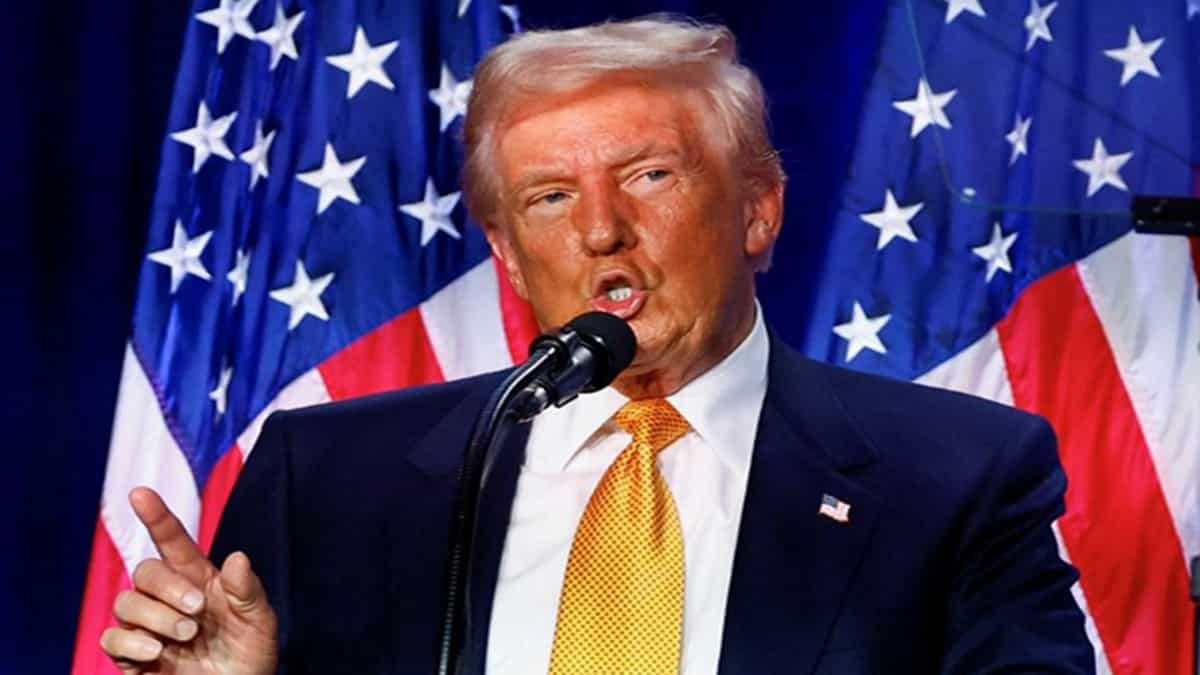
Donald Trump says he has zero regrets about starting the military conflict with Iran. This comes as the White House aggressively ramps up economic pressure, tightening the squeeze on international banks, oil shipments, and the volatile Strait of Hormuz.
If you are wondering why gas prices are hovering past four dollars a gallon or why inflation keeps climbing, the roots trace directly back to this escalating campaign. The congressional budget office recently pinned a massive chunk of recent inflation spikes on the ongoing disruption of vital shipping lanes. Yet, the administration is doubling down rather than backing off. For an alternative look, check out: this related article.
The Real Cost of Economic D-Day
The White House is enforcing harsh financial isolation strategies, warning global entities against maintaining any commercial ties with Tehran. Treasury restrictions and secondary sanctions target Beijing's trade lifelines and other regional actors who continue importing Iranian crude.
Critics argue the price tag is simply too high. Military analysts note that replacing expended interceptors and land-attack missiles costs billions, while total war expenditures have surged well past thirty billion dollars. Trump shrugs off the criticism, maintaining that stopping a nuclear-armed Iran justifies any short-term economic pain. Similar analysis on this matter has been provided by NPR.
Navigating Energy Markets in Crisis
Brent crude has spiked past one hundred dollars a barrel, and Saudi infrastructural disruptions have only added fuel to the fire. Energy security is fragile right now. When supply chains fracture in the Persian Gulf, local fuel pumps feel the shockwaves within days.
If you manage a business exposed to global supply chains, you cannot treat energy volatility as a temporary blip. Build cash buffers, diversify your logistics partners, and model your operating budgets around prolonged high fuel costs. The standoff isn't winding down anytime soon.