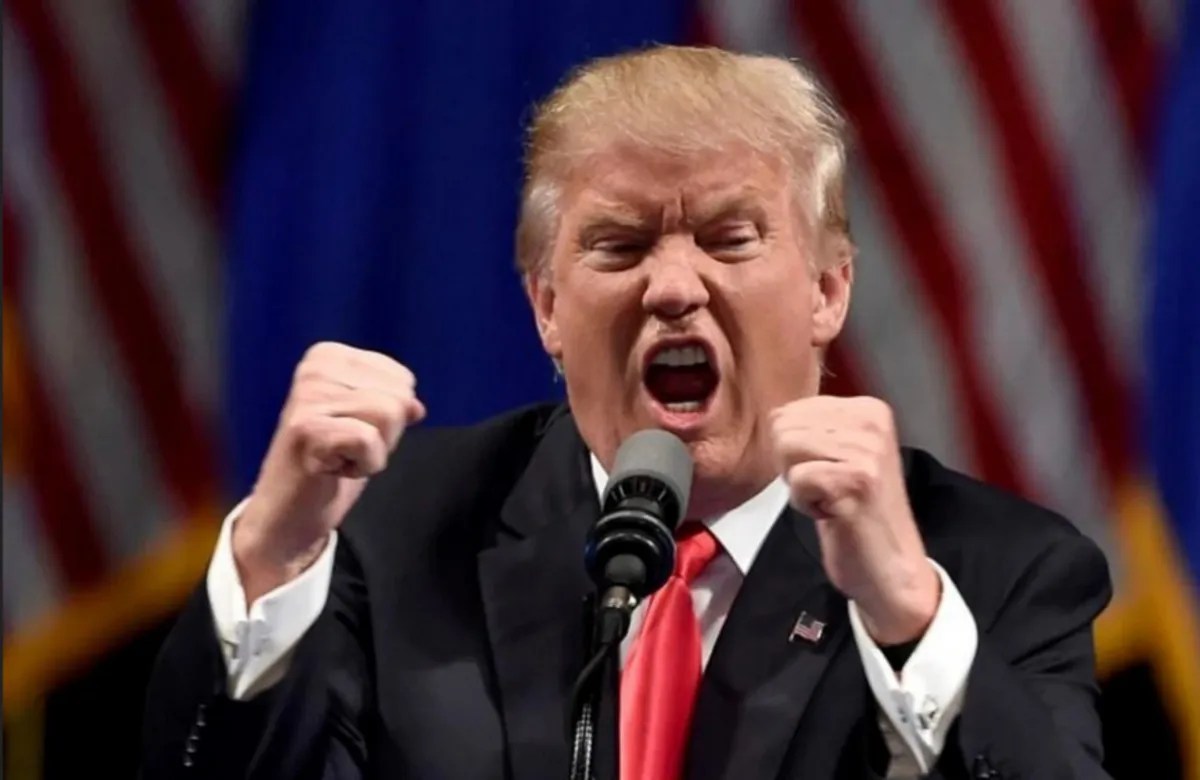
Donald Trump has never been shy about making bold political predictions. When he recently took to social media to push for the Safeguard American Voter Eligibility Act—commonly known as the SAVE Act or the SAVE America Act—he argued that stricter nationwide voting rules would guarantee Republican victories across the board. It is a provocative claim, drawing comparisons to massive international elections like India's to argue that high-standard photo identification and rigid documentation should become the federal norm. But beneath the political rhetoric lies a fierce ideological battle over how Americans register, vote, and verify citizenship.
If you look past the headlines, the debate over federal voter ID and proof-of-citizenship mandates touches on a fundamental question of democratic access versus election security. Proponents argue that locking down voter rolls is common sense. Critics counter that the legislation introduces logistical hurdles that could sideline millions of legitimate voters. Understanding what the bill actually proposes clarifies why this policy fight sits at the center of modern American politics.
What the SAVE America Act Actually Proposes
The core premise behind the push for the SAVE Act is straightforward on paper. Under current federal law, individuals registering to vote in federal elections sign a form attesting to their U.S. citizenship under penalty of perjury. The existing system relies heavily on back-end database checks and state-level administration.
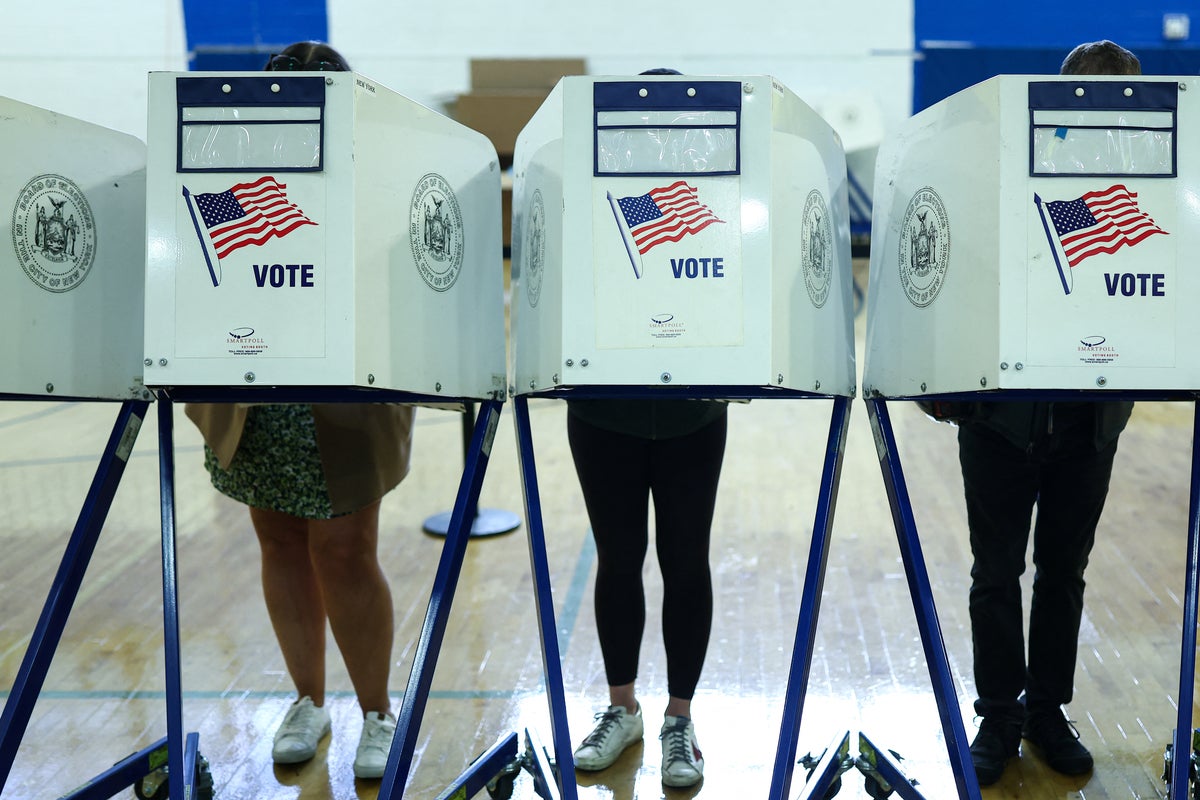
The proposed legislation changes that architecture entirely. It mandates that anyone registering to vote in a federal election must provide physical, documentary proof of U.S. citizenship. This means presenting items like a valid U.S. passport, a certified birth certificate, or specific naturalization documents. Subsequent iterations, often wrapped into the broader SAVE America branding, also emphasize strict photo identification requirements at the polling booth and restrictions on mail-in ballots.
Supporters argue these changes close loopholes and restore absolute confidence in election outcomes. They point out that only citizens should vote in U.S. elections, a principle both parties endorse, and argue that verifiable security measures prevent any possibility of noncitizen participation.
The Logistical Realities and Controversy
Critics and nonpartisan policy organizations point out that translating these ideals into a nationwide mandate creates massive practical roadblocks. For starters, millions of eligible American citizens do not possess a current passport or easy access to a certified birth certificate.
Consider the impact on married women who have changed their surnames. Research from groups like the Center for American Progress indicates that tens of millions of women hold birth certificates that do not match their current legal married names, requiring secondary documentation like marriage licenses to bridge the gap. Rural voters face a different kind of barrier. In expansive western states, driving to an in-person registration office to present physical papers can mean traveling hundreds of miles. College students, low-income workers, and elderly citizens also disproportionately lack immediate access to these documents.
Furthermore, election administrators have raised alarms about the sheer administrative burden. Local offices would need to verify millions of documents manually with very little funding or preparation time, introducing potential bottlenecks that could freeze voter rolls right before a major election cycle.
Why the Political Stakes Are So High
Elections are won and lost on margins. When political leaders argue that strict identification laws will shift the electoral map, they are betting on how compliance costs affect different demographics.
Republicans maintain that tightening ballot security builds public trust and ensures that the integrity of every vote remains unquestioned. Democrats and voting rights advocates argue that the legislation is less about security and more about voter suppression, designed to make participation difficult enough to alter turnout rates in tight races.
As Congress continues to debate versions of the bill through budget reconciliations and legislative pushbacks, the clash over federal voting standards is not slowing down. Whether these proposals become law will depend heavily on Senate negotiations and how states choose to balance access against verification.