The bombs keep falling, the oil markets are panicking, and yet we are told everything is going exactly to plan.
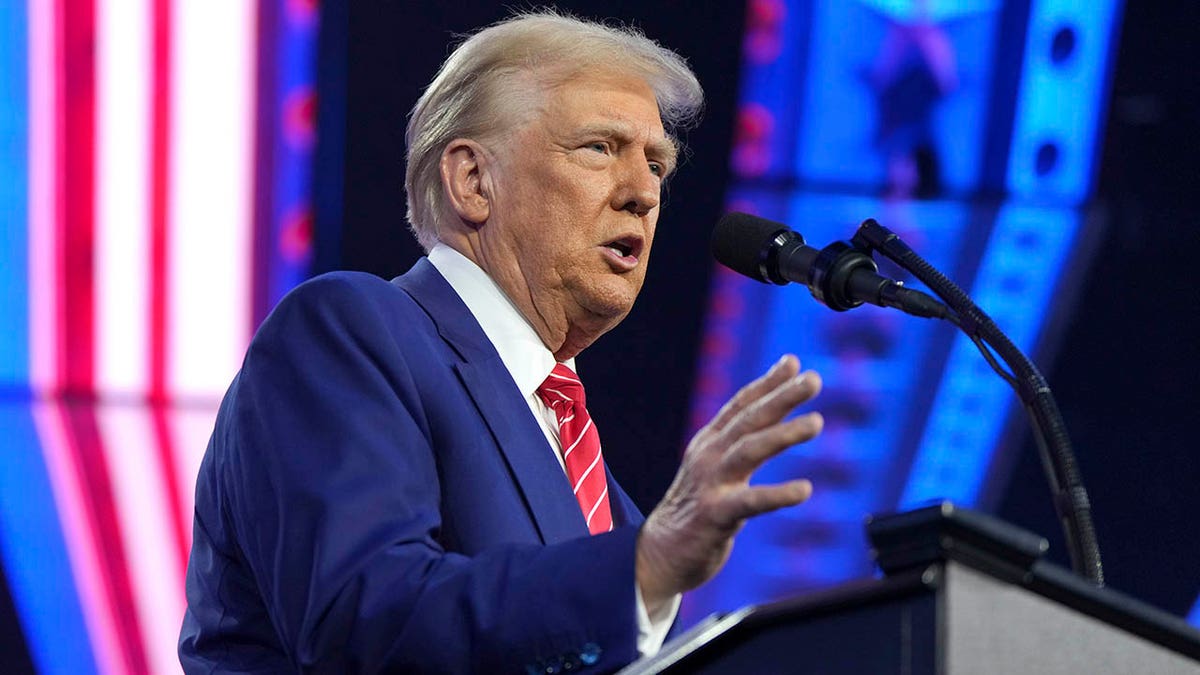
During a primetime address to the nation, Trump told the American public that the U.S. is "winning big" in Iran and that we will see the "fruits" of these military efforts "very, very shortly". It is a classic Trumpian pitch. Loud, confident, and utterly detached from the chaotic reality unfolding on the ground.
As U.S. forces wrap up their sixth consecutive night of heavy airstrikes against Iranian infrastructure, the administration is trying to paint a picture of total dominance. But if you look past the White House podium, the situation looks less like a decisive victory and more like a dangerous, unpredictable regional war. Here is what is actually happening behind the scenes, why the "winning big" narrative is a massive oversimplification, and what this escalation means for the global economy.
The Illusion of a Simple Victory
To hear the administration tell it, the U.S. military has backed Tehran into a corner. White House Press Secretary Karoline Leavitt recently told reporters that Iran is practically begging for a deal because they are "suffering devastating blows" from U.S. airstrikes. Trump even lumped the conflict in with Venezuela, claiming we "won" there and are now "likewise winning big in Iran".
This rhetoric ignores the fact that military strikes alone rarely force a proud regional power into total submission.
U.S. vs. Iran Escalation Cycle (July 2026)
[Ceasefire Collapses] -> [U.S. Naval Blockade] -> [6 Nights of Airstrikes] -> [Iran Retaliates on U.S. Bases]
Yes, U.S. Central Command (CENTCOM) has successfully degraded some of Iran’s coastal defenses, drone launchpads, and missile sites. But destroying hardware is not the same as winning a war. Iran is not a passive target. Even as the administration claims Tehran is desperate to negotiate, Iranian forces are actively expanding their retaliatory strikes across the Middle East. This is not a one-sided beatdown. It is a rapid, dangerous escalation.
What Actually Triggered This Round of Violence
To understand why Trump says U.S. is "winning big" in Iran as military strikes continue, you have to look at the spectacular collapse of the June 17 ceasefire.
Just a month ago, Washington and Tehran signed a fragile 14-point memorandum of understanding. Under that deal, the U.S. agreed to lift its punishing naval blockade. In exchange, Iran promised to guarantee safe passage for commercial shipping through the Strait of Hormuz, a narrow waterway where a massive chunk of the world's oil transit happens.
The peace lasted less than a month.
Iran allegedly violated the agreement by attacking commercial vessels in the strait. Trump’s response was swift and heavy-handed. He officially declared the ceasefire dead, ordered the U.S. Navy to reinstate the blockade, and launched a massive, multi-day aerial bombing campaign.
The administration’s current strategy relies on pure coercion. They are betting that if they bomb Iran hard enough, Tehran will crawl back to the negotiating table on Washington’s terms. But history shows that when you corner a regime like Iran’s, they do not just negotiate. They lash out.
The Targets are Shifting to Civilian Infrastructure
For the first few nights, the airstrikes were strictly limited to military targets. CENTCOM focused on radar installations, anti-ship missile batteries, and Revolutionary Guard speedboats along the coast. The goal was to disable Iran's ability to threaten commercial ships.
That has changed.
Trump recently warned that if Iran did not fall in line, the strikes would target civilian infrastructure. He kept his word. Over the last forty-eight hours, U.S. bombers began hitting bridges and transport links in southern Iran, including the southern Hormozgan province, where local media reported civilian casualties.
The administration is also weighing strikes on Iranian power plants. There are even whispers about targeting Pickaxe Mountain, a deeply buried facility suspected of housing elements of Iran's nuclear program. Trump openly mused on talk radio about giving Pickaxe Mountain "a nice big fat shot right in the front door".
This shift from military-only targets to dual-use civilian infrastructure is a massive gamble. It might make the regime suffer, but it also unites the local population against the foreign attacker. It turns a government-to-government dispute into an existential fight for survival for ordinary Iranians.
Iran is Hitting Back Harder Than Expected
If the U.S. is "winning big," someone forgot to tell the Iranian military. Tehran's retaliation has been broad, coordinated, and highly disruptive.
Far from being paralyzed, the Islamic Revolutionary Guard Corps (IRGC) and its proxy networks have launched a wave of counterattacks that threaten to pull the entire region into the fire.
Attacks on U.S. Military Bases
Iran launched drone and missile strikes against U.S. installations across the Gulf. This includes a drone strike on a U.S. special operations command center in Syria's al-Tanf region, as well as rocket fire targeting American assets in Kuwait, Jordan, and Bahrain.
Broadening the Target Zone
Tehran is no longer just targeting U.S. ships. They have expanded their attacks to nations that play host to U.S. forces or attempt to mediate the conflict. Air defense sirens have been screaming in Bahrain, Qatar, and the United Arab Emirates as they scramble to intercept incoming Iranian drones.
The Strait of Hormuz Chokehold
By mining key shipping lanes and threatening to shut down the Strait of Hormuz entirely, Iran has successfully thrown global trade into chaos.
This is not the behavior of a defeated enemy. It is the strategy of an asymmetric fighter that knows exactly how to drive up the cost of war for the United States and its allies.
The Real Cost of Winning
When political leaders brag about winning, they rarely talk about the price tag. The economic fallout of this six-day campaign is already hitting home, and it is going to get worse.
- Oil Prices are Surging: Energy markets hate uncertainty. The moment the ceasefire collapsed and the U.S. blockade resumed, Brent crude futures spiked by nearly ten percent. If the Strait of Hormuz remains closed or contested, analysts warn we could see triple-digit oil prices, which will trigger massive inflation at gas pumps worldwide.
- The Risk of Regional War: By dragging in neighboring Gulf states like Qatar, Bahrain, and the UAE, this conflict is no longer a localized dispute. One miscalculation or one lucky missile strike on a crowded U.S. base could trigger a full-scale regional war that would require tens of thousands of ground troops to resolve.
- The Diplomatic Dead End: The administration insists that the door to diplomacy remains open. But how do you negotiate a lasting peace when you are actively bombing the other side's bridges and threatening their power grid? True diplomacy requires a level of trust that this military campaign is systematically destroying.
How to Prepare for the Impending Economic Shockwaves
Whether you believe Trump is "winning big" or dragging the country into a bottomless Middle Eastern quagmire, the practical effects of this conflict will reach your wallet. You cannot ignore a war that sits directly on top of the world’s most important energy corridor.
Here is what you need to do right now to protect your business and personal finances.
Hedging Against Fuel and Energy Spikes
If your business relies on shipping, transport, or logistics, expect your operational costs to climb. Lock in fuel contracts now if you can. For personal finances, budget for a sustained rise in gasoline and home energy prices over the coming months.
Reevaluating Investment Portfolios
Defense stocks and traditional energy sectors are rising due to the hostilities. Conversely, tech and retail sectors that rely on global supply chains could face headwinds. Talk to your financial advisor about rebalancing your assets to weather a period of high inflation and geopolitical instability.
Watching the Strait of Hormuz
This is the ultimate indicator of where this crisis is going. If commercial shipping remains blocked, the economic pain will be severe and prolonged. Keep a close eye on shipping container rates and maritime insurance premiums. They will tell you the truth about the war long before any politician does.
Trump wants us to believe this conflict is already won. He wants us to believe that a few more nights of precision bombing will force Iran to sign a favorable deal and behave. But on the ground, the lines between winning and losing are dangerously blurred. Bombs are destroying bridges, missiles are flying across borders, and the global economy is holding its breath. That does not look like winning. It looks like a crisis that is just getting started.