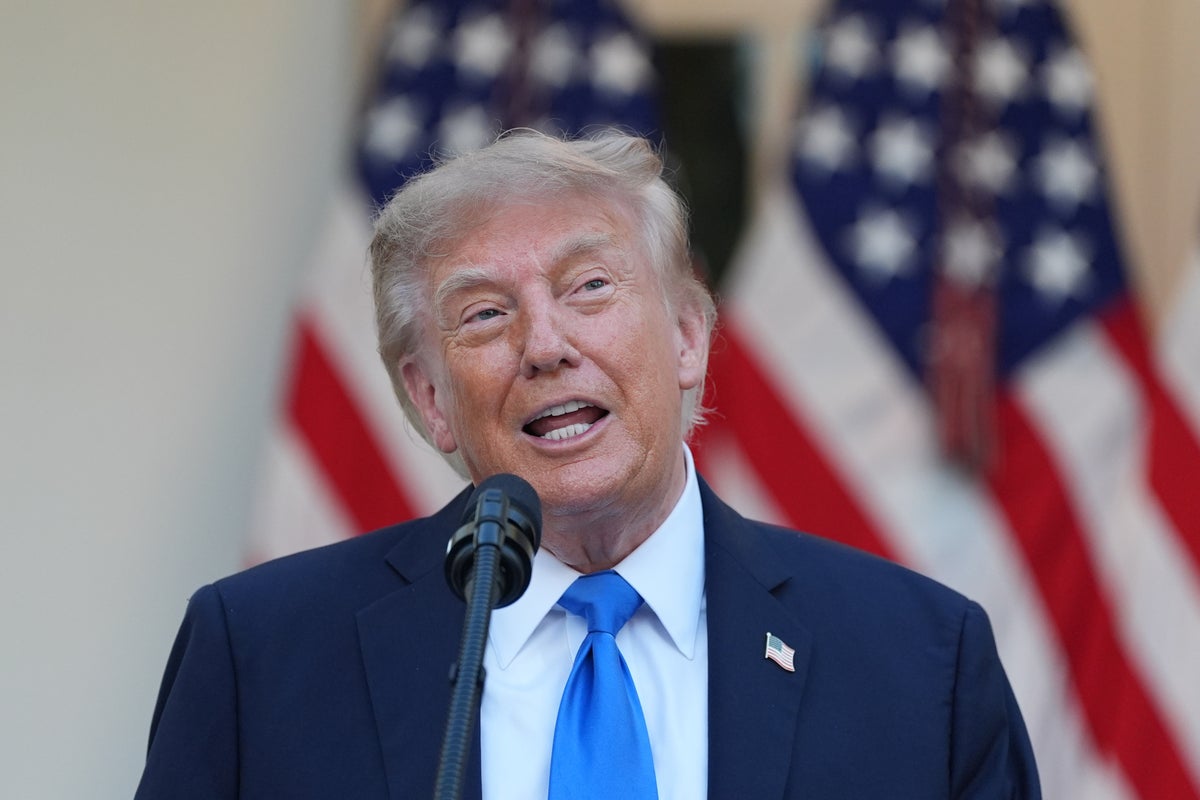
Donald Trump just brushed off a sweeping escalation in the Middle East by calling ongoing military strikes a casual "love tap." It's a bizarre rhetorical choice that ignores the brutal reality unfolding across the region. While Washington tries to spin the narrative, the conflict is expanding faster than official briefings admit.
If you are trying to understand why oil prices are jumping and global shipping lanes remain on high alert, you have to look past the political posturing. The friction between Washington, Tehran, and proxy groups like the Houthis isn't simmering down. It is boiling over into secondary theaters that threaten to lock the global economy in a chokehold.
The Reality Behind the Rhetoric
When leaders downplay active combat zones, it usually signals an effort to manage public panic rather than reflect actual ground conditions. Trump's recent comments about Houthi rebels asking the US to step aside miss the mark entirely. The facts on the ground tell a different story.
Yemen's Houthi forces haven't packed up and gone home. They've captured strategic positions near the Bab el-Mandeb strait, turning a regional squabble into an international maritime emergency. Saudi Arabia's East-West pipeline was forced offline following aerial attacks, sending immediate shockwaves through energy markets.
You cannot dismiss these actions as minor disruptions when vital energy conduits are shut down and regional infrastructure is taking direct hits.
Why the Red Sea Crisis Changes Everything
The Strait of Hormuz gets plenty of headlines, but the wider theater involving Yemen and Saudi Arabia represents a massive blind spot for Western defense strategies.
- Infrastructure Vulnerability: Pipelines and regional processing facilities are remarkably easy targets for low-cost drone technology.
- Proxy Expansion: Tehran's network is operating with increased autonomy, making localized ceasefires nearly impossible to sustain.
- Economic Ripple Effects: European and Asian markets absorb the immediate energy shocks whenever tanker traffic alters course.
Even as the UK economy showed surprising resilience with 0.4% growth in recent months, financial institutions are bracing for inflation ticks driven entirely by energy supply instability. Markets hate uncertainty. Right now, uncertainty is the only constant.
The Long War Trap
Internal warnings leaking from Washington suggest that advisers are quietly telling the White House this conflict could drag on for years. That clashes directly with optimistic stump speeches predicting quick economic turnarounds after midterm cycles.
Wars of attrition don't wrap up neatly on schedule. They consume resources, test supply chains, and invite miscalculations from every side involved. When an Iranian-backed group starts experimenting with advanced missile guidance and regional infrastructure goes up in smoke, you are looking at structural instability, not a temporary flare-up.
Stop waiting for a clean diplomatic resolution that accommodates political timelines. Keep a close eye on shipping insurance rates, regional pipeline repairs, and actual maritime traffic volumes through critical chokepoints. Those metrics never lie, no matter how casually politicians label active airstrikes.