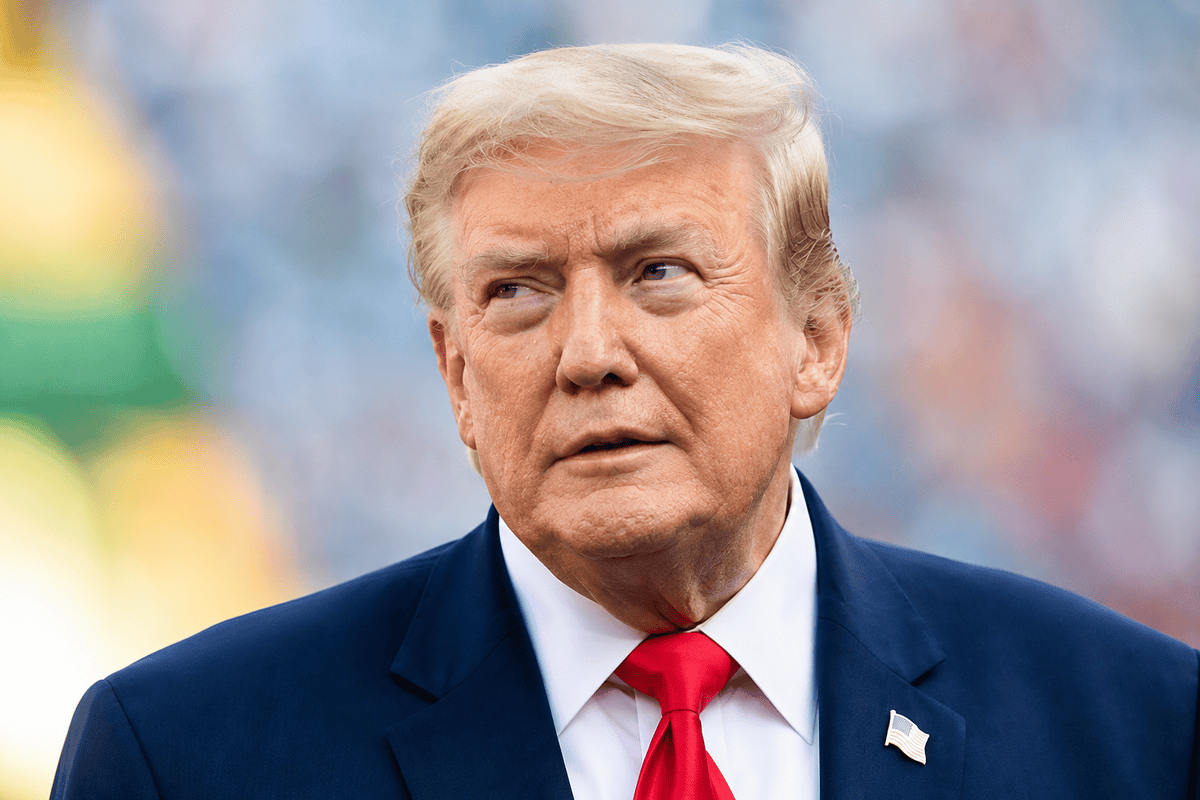
Donald Trump didn't get the island. He wanted to buy Greenland, or at least carve out a sweeping territorial acquisition that would echo historic American expansions. Instead, Washington walked away with a heavily modified bilateral defense framework negotiated alongside Denmark.
It's a classic case of aiming for the moon and landing on a standard diplomatic treaty. Experts like Richard Weitz of the NATO Defense College point out the obvious reality. The White House settled for less because total annexation was never on the table for Copenhagen or Nuuk.
If you look past the headlines, this new security deal reveals the strict limits of modern geopolitical leverage. Let's break down what actually happened, why the grand ambitions fell short, and what this means for Arctic security moving forward.
The Reality Check Behind the Greenland Deal
Grand political rhetoric rarely survives direct contact with international law and local sovereignty. When Washington first floated ambitions regarding Greenland, Danish officials and local leaders pushed back hard.
Denmark controls the foreign policy and defense of the autonomous territory. The local government in Nuuk holds immense sway over its own land and resources. Buying a massive Arctic territory isn't like purchasing a piece of commercial real estate.
Here is what the actual agreement entails:
- Enhanced intelligence sharing between US forces and Danish military units in the Arctic.
- Upgraded monitoring capabilities to track foreign vessels in northern shipping lanes.
- Strict limitations that preserve Danish and Greenlandic sovereignty without transferring land titles.
You don't get absolute control when your negotiating partners hold all the cards on home turf. Trump had to accept a security pact that looks a lot more like a standard NATO arrangement than an imperial land grab.
Why the Arctic Matters Right Now
Why does Washington care so much about this massive island of ice and rock? Simple geography.
As global temperatures shift, new maritime shipping routes open up across the Arctic Circle. These passages cut travel times between Asia and North America drastically. Beneath those icy waters lie untapped mineral deposits and vast energy reserves.
Russia and China know this too. Moscow has heavily militarized its northern coastline, reopening Soviet-era Arctic bases. Beijing has branded itself as a "near-Arctic state," funding scientific outposts and infrastructure projects across the region.
The United States needed a stronger footprint to counter these moves. Thule Air Base in northern Greenland is already home to vital radar systems for ballistic missile early warning. Securing broader cooperation was a strategic necessity, even if it lacked the dramatic flair of an ownership transfer.
How the Compromise Works in Practice
Diplomacy requires face-saving measures on all sides. For Washington, the pact allows the administration to claim a major win on Arctic defense posture. Officials can point to enhanced radar coverage and tighter submarine tracking as proof of strength.
For Copenhagen and Greenland, protecting local autonomy remains the absolute priority. The island's leaders have made it clear they want economic partnerships, not foreign governance. They managed to secure increased investments while keeping their flag flying over the capital.
Nobody involved got everything they wanted. That is the definition of a functional compromise, even if supporters of the administration prefer to frame it as a masterstroke of negotiation.
What Happens Next in the North
The ink is dry on the new security framework, but the implementation phase will test both sides.
Watch the funding allocations closely. Congressional approval will determine whether the promised radar upgrades and joint patrols receive proper backing. Keep an eye on local elections in Nuuk, where the push for complete independence from Denmark continues to shape local politics.
Stop buying into the myth that major powers can simply dictate terms to smaller democratic allies without friction. Realpolitik in the Arctic is messy, slow, and constrained by international realities.
Review the actual text of the agreement if you want the unvarnished truth. Ignore the campaign spin and look at the operational logistics on the ground. That tells you everything you need to know about where power actually lies in the Far North.