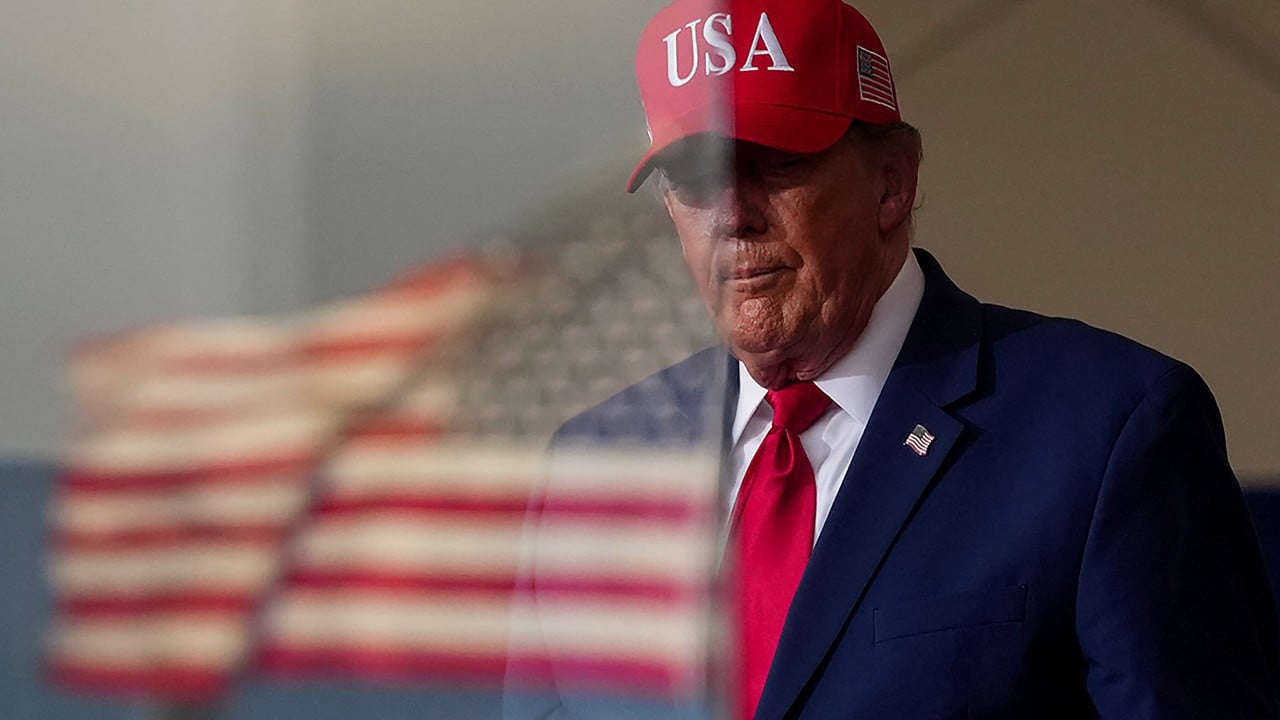
Campaign rallies are performance art. Donald Trump knows this better than almost anyone else in modern politics. When he stepped up to the microphone inside a hangar at Dalton Municipal Airport in Georgia, he wasn't just giving a standard stump speech for local Republican candidates ahead of the November 3 midterm elections. He was working the room, tossing out off-the-cuff remarks, and targeting foreign adversaries like Iran.
Yet, one particular quip about a name sucked the oxygen out of the room and sent immediate shockwaves across international news wires.
If you're wondering why a simple joke about a common moniker sparked immediate backlash, you have to look past the punchline. You have to examine how political rhetoric weaponizes cultural familiarity and why it hits a nerve in American political discourse.
The Dalton Rally Quip
Let’s look at what was actually said. While discussing Iran and foreign leaders during his campaign stop in Georgia, Trump decided to riff on the sheer statistical prevalence of a specific name across the Middle East.
"You know, if you're in doubt about somebody's name from the Middle East, just say 'Mohammad,'" Trump told the crowd. "You have about a 65 per cent chance. 'Hello, Mohammad.' I've done it for years now. I've never been wrong."
The crowd response in Georgia was mixed, leaning muted in certain sections. But the digital reaction was instantaneous.
Advocates, civil rights groups, and political opponents didn't miss a beat. For millions of Muslims globally, Mohammad—honoring the Prophet of Islam—is a name steeped in deep religious reverence and personal heritage. Reducing it to a lazy numerical probability game isn't neutral humor. It’s an old political trope repackaged for a modern rally stage.
Why This Specific Joke Matters Right Now
Context is everything. This wasn't uttered in a vacuum. It landed during a fierce midterm campaign season where immigration, foreign conflicts, and religious identities occupy center stage.
Trump’s second term has already seen intense friction regarding foreign policy in the Middle East, particularly following military actions involving the United States, Israel, and Iran. Domestically, the political climate remains charged. Advocacy organizations like the Council on American-Islamic Relations (CAIR) have repeatedly flagged rising instances of Islamophobia, tying the rhetoric coming from high-profile political figures directly to the social climate faced by Muslim Americans on the ground.
When a major political figure singles out cultural or religious naming conventions to elicit a chuckle, it does a few things simultaneously:
- It normalizes casual stereotyping under the guise of casual comedy.
- It alienates minority constituents who are already navigating a tense socio-political atmosphere.
- It fires up a base that responds to unapologetic, unfiltered political incorrectness.
The Strategy Behind the Unfiltered Riff
You might ask why a seasoned politician keeps dropping lines that guarantee outrage headlines. The answer is simple. Attention is currency.
In the modern media ecosystem, outrage is a powerful amplifier. While critics focus on the cultural insensitivity of mocking a revered name, supporters view it as classic anti-establishment humor. They see a leader who refuses to speak in polished, sanitized political boilerplate.
Trump has long leaned into this dynamic. Whether targeting congressional figures like Ilhan Omar or political candidates like Abdul El-Sayed, his campaign rhetoric often merges hard-line policy stances with cultural jabs. It redraws lines in the sand. It tells his base that he hasn't changed, that he's still fighting the cultural battles they care about.
Moving Beyond the Soundbite
Reactions to these remarks usually follow a predictable script. Outrage from one side, defense or total dismissal from the other, and a 24-hour news cycle that burns bright before fading into the next controversy.
If you want to understand modern political communication, stop looking at these moments as accidental gaffes. They are calculated strokes designed to dominate the news cycle, reinforce identity politics, and keep the spotlight firmly fixed on the speaker. The name Mohammad is centuries old, carrying profound spiritual weight for billions. But on a Georgia airstrip, it became just another prop in the endless theater of American campaigning.