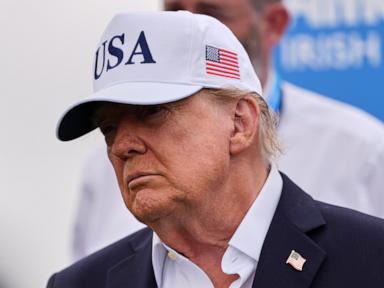
If you run a bar, stock a retail shelf, or just enjoy a neat pour of amber spirit, trade policy probably isn't your favorite topic. But recent moves from Washington and County Clare just made your next bottle a lot more interesting. US President Donald Trump announced plans to scrap the 10 percent tariff on Irish whiskey.
The announcement came during a trophy presentation at the Amgen Irish Open golf tournament in Doonbeg, Ireland. Standing before a roaring crowd of spectators, Trump joked that everyone had been bugging him to fix the issue. When leaders and athletes bend your ear enough, things change. The decision marks an abrupt reversal for a duty that has squeezed distillers and importers on both sides of the Atlantic for months.
How We Got Here
Back when trade negotiations between the United States and the European Union heated up, wine and spirit exports caught a heavy stray. A blanket 15 percent duty hit European imports hard. Distilleries faced shrinking margins while American importers wrestled with sudden price spikes.
Things started shifting earlier this year when UK spirits caught a break. Following a high-profile visit from Britain's King Charles III and Queen Camilla, the White House rolled out a zero-tariff policy for Scotch and Northern Irish whiskey in late April. That left the Republic of Ireland out in the cold, dealing with a persistent handicap while their UK neighbors enjoyed duty-free access to the lucrative US market.
Pressure mounted quickly. In May, the Irish Whiskey Association stepped up lobbying efforts to shield American portfolios and consumer wallets from ongoing market volatility. By July, Washington dropped the original 15 percent tariff down to 10 percent. But a ten percent tax is still a ten percent tax. Producers wanted zero.
The Real Pressure Behind the Decision
Diplomacy doesn't happen in a vacuum. During a 48-hour visit to Ireland, Trump held bilateral talks with Irish Prime Minister Micheál Martin. Behind closed doors, trade and export numbers took center stage. Irish whiskey exports to the US had dropped by roughly 5 percent through the previous year, highlighting a very real slump in demand and rising production costs.
Add in personal lobbying from prominent figures like Irish Open champion Shane Lowry, and the optics became impossible to ignore. Standing on his own golf resort turf, Trump gave the crowd what they wanted. He admitted the existing setup felt unfair since UK competitors already held an exemption.
What This Means for the Market
For Dublin distillers, the policy shift provides a massive exhale. The US remains one of the largest and most critical foreign markets for Irish brands. Facing a surplus of product and climbing operational expenses at home, local producers needed a win to restart growth.
American hospitality businesses and retail buyers also stand to gain. Chris Swonger, CEO of the Distilled Spirits Council of the United States, noted that easing these duties right before busy retail periods offers a welcome boost for restaurants, stores, and consumers navigating persistent inflation.
No hard timeline has been locked in yet for when the paperwork clears and the zero-duty status officially takes effect. Distillers learned long ago that political promises take a minute to translate into customs forms. Still, the intent is clear. Grab a glass and watch the inventory sheets. The playing field is about to level out.