You sign a sweeping sanctions bill into law, championing it as a critical economic weapon. Then, just weeks later, you halt it completely. That is exactly what happened when President Donald Trump put sweeping new Russia sanctions on hold, citing national interest just two days before their statutory implementation deadline.
It is a dizzying pivot that has left Capitol Hill spinning, European allies furious, and political analysts scrambling to make sense of the sudden reversal. If you are trying to understand why a major piece of bipartisan legislation can go from a celebrated presidential signature to an indefinite freeze overnight, you have to look past the political theater and examine the colliding pressures of domestic inflation, foreign energy markets, and upcoming midterm elections. You might also find this similar coverage useful: Inside Trump And Putin's Diesel Deal And Why Washington Is Fuming.
The Backstory Behind the Frozen Sanctions
The legislation in question was not just any ordinary bill. Named after the late South Carolina Senator Lindsey Graham, who passed away unexpectedly in July, the measure carried immense emotional and political weight. Drafted alongside Democratic Senator Richard Blumenthal, the package was designed to starve Moscow of the financial resources fueling its ongoing military campaign in Ukraine.
Lawmakers pushed the bill through with massive bipartisan majorities. It targeted Russian banks, officials, and the notorious shadow fleet of tankers keeping Russian crude moving across global waters. It even directed the executive branch to slap tariffs of up to 100 percent on top importers of Russian oil and gas unless they met strict reduction thresholds. As highlighted in detailed reports by USA.gov, the implications are widespread.
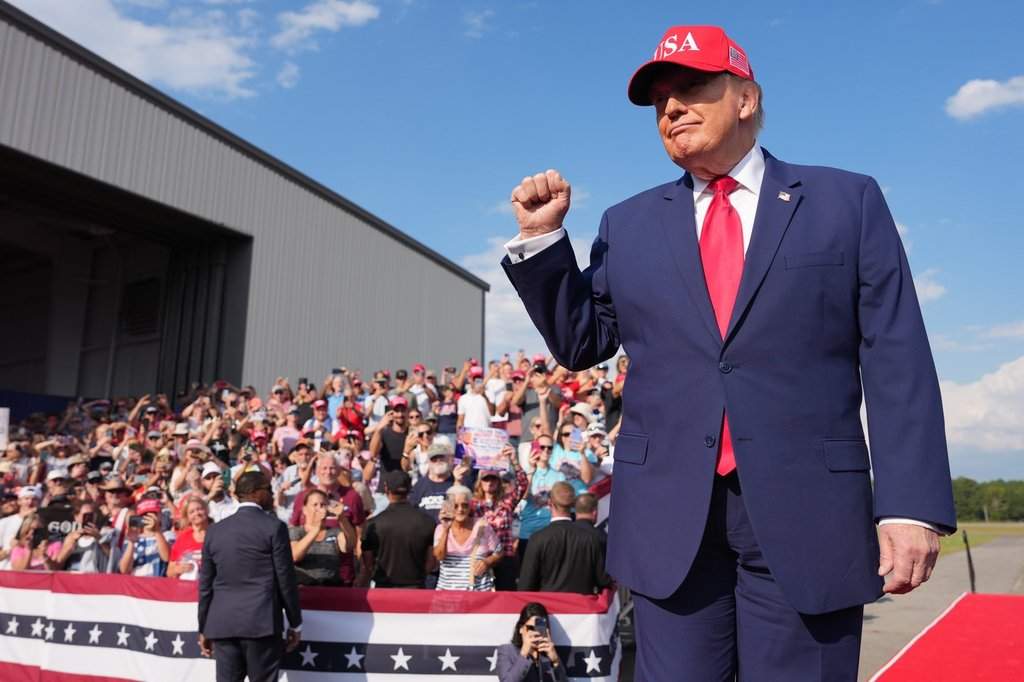
Trump signed the bill into law personally. Yet, right before the legal deadline to implement these strict penalties, the White House issued an executive order putting the entire package on hold. The official justification is vague, pointing broadly to the national interest, but the timing reveals a much more complicated reality.
The Diesel Deal and Energy Realities
You cannot look at this sanctions freeze in a vacuum. Just a week before halting the legislation, the administration announced a striking energy arrangement: the United States had agreed to purchase hundreds of thousands of tons of diesel fuel from Russia.
The administration defended the move as a necessary measure to cool down global fuel prices and ease pain at the pump for American consumers. High living costs and soaring energy prices have battered presidential approval ratings, creating massive vulnerability as Republicans face a tough battle to hold Congress in the November 3 midterm elections.
Critics from both sides of the aisle didn't buy the justification. Lawmakers argued that cutting deals with Moscow undermines the very coalition supporting Ukraine while doing little to sustainably lower domestic prices, which have spiked largely due to separate conflicts in the Middle East. By freezing the sanctions immediately after securing the diesel supply, the administration opted for short-term energy maneuvers over long-term geopolitical pressure.
The Political Fallout on Capitol Hill
Legislators who championed the Graham-Blumenthal bill reacted with swift condemnation. Senator Blumenthal didn't mince words, stating publicly that the suspension had nothing to do with genuine security and everything to do with appeasing Moscow.
Other congressional leaders pointed out that they warned this might happen. Representative Don Beyer argued that the law needs immediate legislative fixes to strip the executive branch of the power to unilaterally roll back bipartisan mandates meant to hold foreign adversaries accountable.
Meanwhile, the local political dynamics in South Carolina add another layer of intrigue. Darline Graham, the late senator's sister appointed to fill out his term, has been campaigning hard on her involvement in passing the very sanctions Trump just suspended. She has maintained that giving the executive branch economic tools is part of the strategy to eventually force a negotiated end to the conflict, placing the ultimate burden of implementation squarely on the Oval Office.
What This Means Moving Forward
When foreign policy collides with domestic electoral survival, domestic survival almost always wins. Trump is staring down historically low approval ratings, voter frustration over inflation, and a high-stakes legislative map. Halting these financial penalties signals that the White House prioritizes immediate economic relief and alternative fuel deals over maintaining a unified front with European allies against Moscow.
Whether Congress can successfully rewrite the statute to strip away these waiver powers remains an open question. For now, the most aggressive legislative push against Russia in years sits frozen on a desk, a stark reminder that passing a law in Washington is only half the battle.