Reports of high-stakes phone calls between Donald Trump and Benjamin Netanyahu are filling headlines as midterms near. Leak after leak suggests the Israeli Prime Minister is urging immediate military strikes against Iranian nuclear targets right after the election. But Washington is hesitating.
Behind the private conversations lies a complex calculus of military strain, fragile diplomatic openings, and domestic political realities. Trump wants to give direct talks with Tehran a chance to work first. That creates real friction between two allies who usually project total alignment.
Understanding what is actually driving this divide requires looking past the sensational headlines.
The Strain on US Military Capabilities
War hawks often talk about air strikes as if they happen in a vacuum. Press a button, drop precision munitions, and job done. Real military logistics tell a drastically different story.
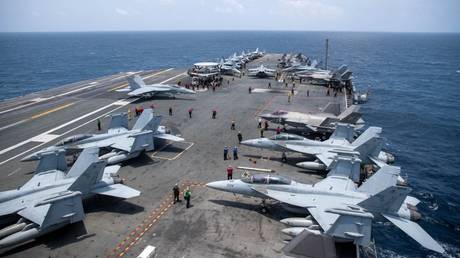
Months of elevated regional skirmishes and naval operations have taken a visible toll on American readiness. Critical weapon stockpiles are running low. Defense contractors face severe production bottlenecks, making quick resupply nearly impossible.
The financial toll isn't hypothetical either. Regional base repairs and defense measures have already cost billions. When commanders in Washington look at the map, they don't just see targets at Pickaxe Mountain in central Iran. They see a overextended force running low on key interceptors.
Taking out deeply buried enrichment facilities requires sustained bombardment, not a quick ten-minute run. If Tehran retaliates with ballistic salvos or anti-ship missiles, American forces in the region would bear the brunt of that counterstrike while short on supplies.
Diplomacy Is Moving Behind Closed Doors
While public rhetoric remains harsh, backchannel talks are actively happening.
- Direct engagement: Vice President J.D. Vance recently sent formal messaging to Iranian national security leadership proposing a framework to jumpstart formal negotiations.
- Regional mediation: Qatari officials spent days facilitating message exchanges in Doha regarding a multi-step de-escalation plan.
- Global diplomatic presence: Moscow continues urging restraint, publicly stating that diplomatic options with Tehran are far from exhausted.
Tehran's conditions for a deal are straightforward. They demand an end to naval blockades in key shipping lanes like the Strait of Hormuz before any binding agreement takes effect.
Trump knows that firing missiles right now destroys those diplomatic tracks completely. A strike guarantees a regional escalation that shuts down shipping corridors and sends global energy prices soaring right as American voters evaluate the administration's economic record.
Netanyahu's Domestic Political Pressure
To understand Netanyahu’s urgency, you have to look at his situation at home. Israeli political coalitions are notoriously fragile, and recent election results left his right-wing bloc short of a clear parliamentary majority.
Securing a major foreign policy win—specifically neutralizing Iran's nuclear capability with direct American firepower—gives Netanyahu massive leverage in coalition negotiations. Without a decisive move, his political standing faces severe domestic headwinds.
Israeli intelligence remains convinced that Iranian technicians are actively working at fortified facilities like Pickaxe Mountain. From West Jerusalem's perspective, waiting even a few months risks letting Tehran reach a point where nuclear deterrence becomes permanent.
That creates a fundamental clash in timelines:
- Netanyahu wants immediate action to solve a pressing political and strategic security crisis.
- Trump wants tactical delay to test whether economic and diplomatic leverage can extract a deal without firing a single missile.
Strategic Realities vs Campaign Promises
Politicians love tough talk on the campaign trail. Translating aggressive speeches into actual military strategy is entirely different when you hold office.
The US administration faces a simple choice. It can follow West Jerusalem's push for immediate air strikes and risk a drawn-out regional war with depleted missile inventories. Or it can hold back, run out the clock on diplomatic channels in Doha, and see if economic pressure forces Tehran into concessions.
For now, Washington is choosing caution over speed.
Practical Takeaways for Tracking This Conflict
To accurately evaluate news about the Middle East crisis over the coming weeks, keep these indicators in mind:
- Watch naval deployments: Track whether US aircraft carrier strike groups in the Arabian Sea rotate out or receive additional guided-missile destroyer escorts. Movement of air defense batteries into regional bases signals imminent military action.
- Monitor shipping insurance rates: Maritime freight rates through the Strait of Hormuz serve as an early warning system. Spikes in insurance premiums mean commercial carriers expect immediate military confrontation.
- Follow Qatari diplomatic dispatches: Official statements coming out of Doha reveal whether backchannel communications between Washington and Tehran are making progress or stalling out.


