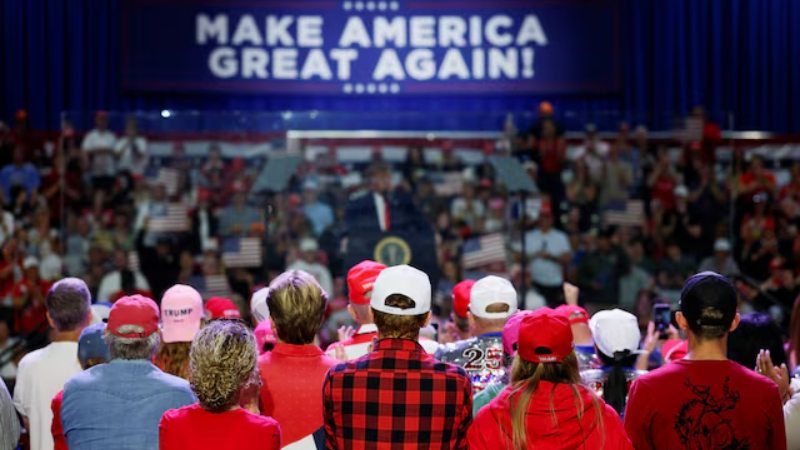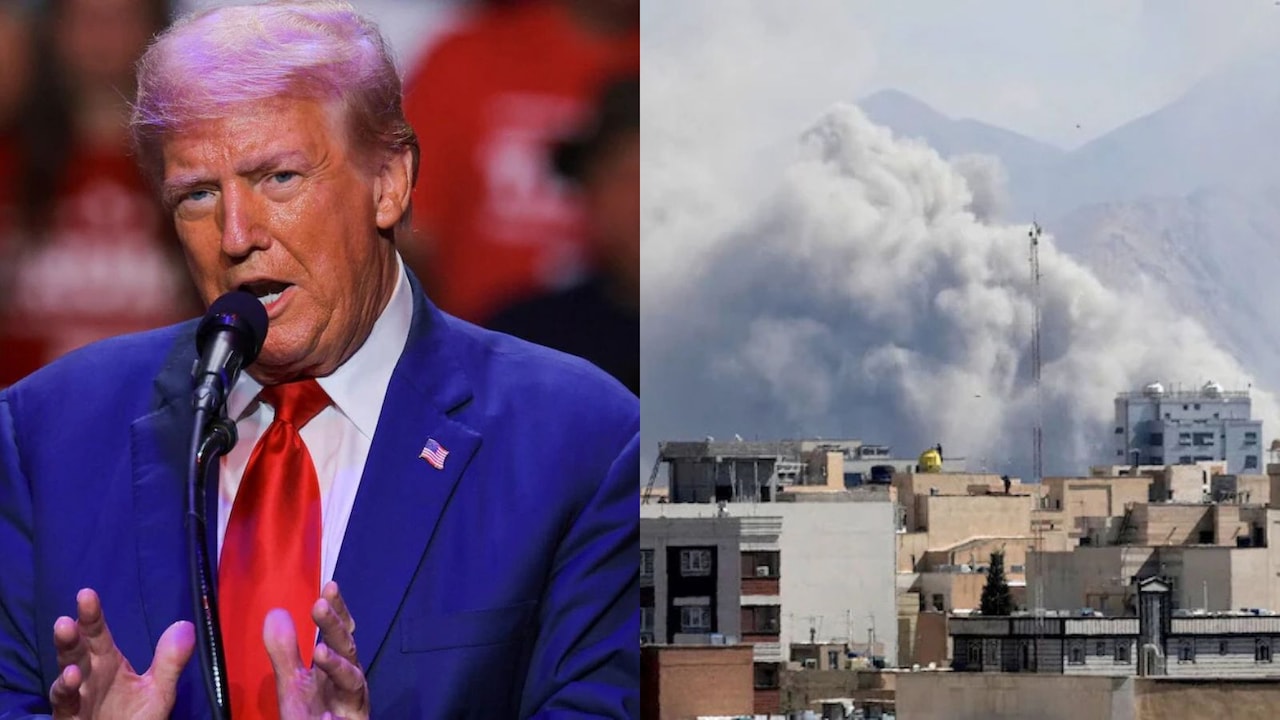
On the morning of the 2026 US midterm elections, President Donald Trump went on live television and confirmed a new American military strike inside Iran. "They built an anti-aircraft facility... As soon as it was completed, we hit it last night very nicely," Trump told Fox & Friends. He brushed off the strike on Qeshm Island as a "minor attack" and claimed he wasn't looking to kill lots of people.
The timing couldn't be sharper. Americans were already heading to polling places across all 50 states to vote in a high-stakes midterm election. Inflation driven by months of Middle East war disruptions has pounded voters' wallets, making foreign policy a central issue on the ballot.
Here's the full breakdown of what went down on Qeshm Island, why Washington struck right now, and how this last-minute escalation impacts the election outcome.
The Strike on Qeshm Island
The target was a newly constructed anti-aircraft installation on Qeshm Island, a strategic landmass located directly in the Strait of Hormuz. Iranian state news agency IRNA reported five rapid explosions shaking the island, with residents spotting two foreign aircraft overhead.
Trump characterized the strike as preventive maintenance rather than a new front in the war. Israel took no part in the operation, according to an Israeli military spokesperson speaking to reporters. The pentagon's objective was straightforward: destroy air-defense systems near the narrowest point of the world's primary oil transit corridor before they became fully operational.
Qeshm Island Location: Strait of Hormuz
Operation Scope: Targeted air-defense facilities
Reported Strikes: 5 explosions on target
Allied Involvement: US only (Israel confirmed no participation)
By keeping the scope tight, Washington tried to neutralize a tactical threat without sparking a wider regional counter-response during voting hours.
Escalation vs Negotiation
The paradox of this strike is that it hit while both Washington and Tehran were actively trading diplomatic proposals through Qatar.
Just hours before announcing the strike, Trump signaled on Truth Social that a deal with Tehran "could happen" because Iran wanted a settlement as soon as possible. Vice President JD Vance echoed that sentiment, noting progress in backchannel discussions. Tehran signaled a willingness to reopen the Strait of Hormuz to commercial shipping within 48 hours—if Washington agreed to unfreeze assets and ease oil sanctions
Donald Trump Confirms US Military Strikes on Iranian Air Defense Sites
news
Donald Trump has publicly confirmed that the United States military targeted and successfully destroyed an Iranian anti-aircraft facility. Speaking during a campaign appearance as mid-term political battles heat up across the nation, Trump detailed the precise action taken by American forces against Tehran's defense infrastructure.
The military action marks a sharp escalation in direct confrontations between American forces and Iranian installations in the region. According to official accounts and statement details released following the operation, US precision strikes targeted critical radar and missile battery networks designed to protect key Iranian military installations.
What US Strikes Targeted inside Iran
The primary objective of the operation centered on disabling sophisticated anti-aircraft assets. Striking these installations severely weakens regional defense capabilities, leaving command centers exposed to broader air surveillance and potential follow-up strikes.
Key elements of the military targeted operation include:
- Air defense radar units responsible for early detection of incoming aerial threats.
- Surface-to-air missile installations deployed to protect sensitive military complexes.
- Command and communication nodes coordinating regional anti-aircraft responses.
Military analysts note that neutralizing integrated air defense systems is standard tactical procedure when securing air dominance over targeted zones. By taking out key defense radars, the US significantly degraded Iran's real-time air defense tracking abilities.
Political Context and Midterm Implications
The timing of the announcement intersects directly with ongoing political debates surrounding American foreign policy and military engagement abroad. With voters weighing economic stability alongside national security concerns ahead of key legislative elections, direct foreign strikes spark immediate political debate on Capitol Hill.
Proponents of the strike argue that decisive military actions are necessary to deter regional aggression and protect allied assets operating in surrounding waterways. Foreign policy hawkish elements in Washington have long called for tougher action against Iranian military infrastructure.
Opponents and foreign policy critics raise concerns over potential retaliatory measures. Direct strikes on sovereign Iranian facilities carry substantial risk of widening regional conflicts, raising economic security worries over international shipping lanes and global oil prices.
Escalating Regional Dynamics and Next Steps
Tehran's immediate reaction typically involves heightened military readiness and sharp diplomatic rhetoric condemning foreign intervention. Security agencies across the Middle East remain on high alert for asymmetric responses or indirect retaliation through regional partner groups.
Moving forward, foreign policy analysts and defense monitors are focusing on several key indicators:
- Official damage assessment reports verified through satellite imagery and tactical intelligence.
- Iranian military movement and potential retaliatory deployments across critical regional choke points.
- Congressional reactions and formal requests for administration briefings on military operational boundaries.
The situation remains fluid as military command centers monitor retaliatory threats and international diplomatic channels evaluate the broader impact on regional security.