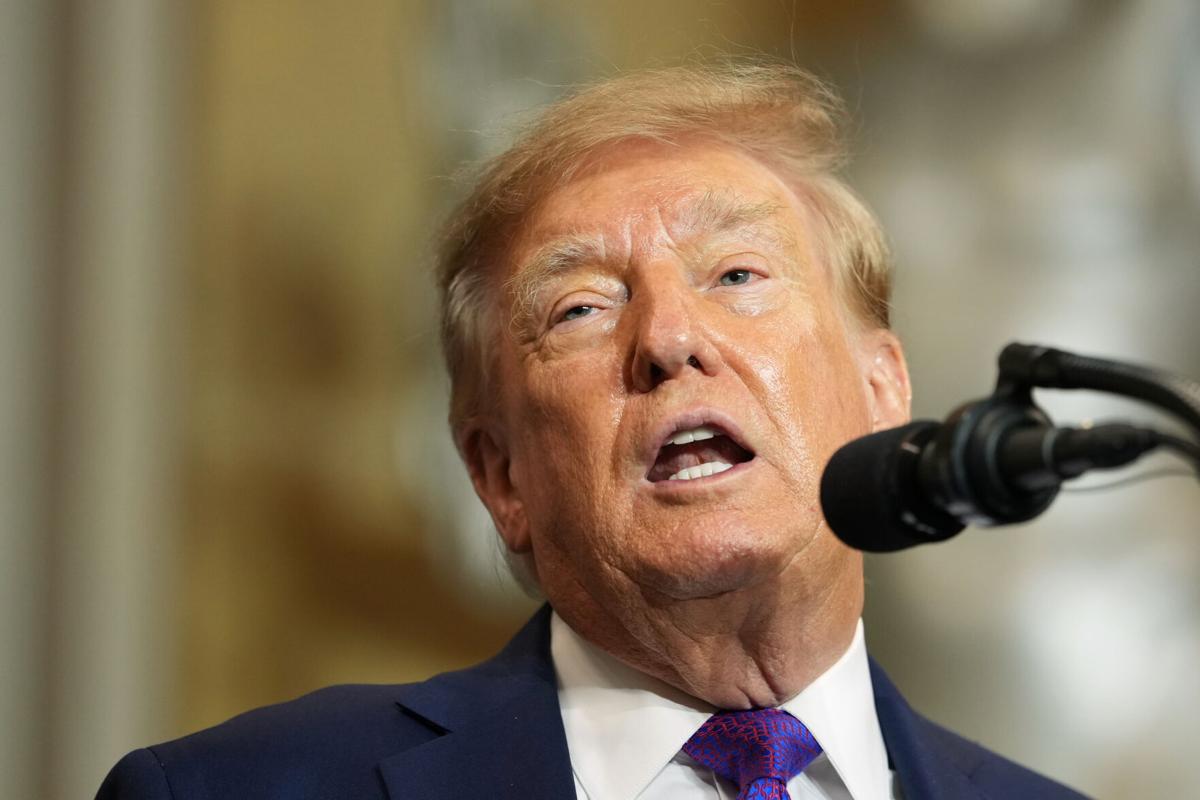
Smile for the cameras in Shenzhen. Drop the tariff hammer from Washington days later.
If you watched Donald Trump and Xi Jinping strike a warm, chummy tone around the Asia-Pacific Economic Cooperation summit and then saw the White House roll out fresh tariff proposals targeting 14 trading partners including China, you might think someone lost the plot. Honestly, I don't think Trump lost anything. He's playing two tracks at once—personal leader-to-leader warmth to keep diplomatic doors cracked open, and hard-nosed trade pressure to keep leverage before key deadlines hit.
Let's be real about what actually happened this week. In late November 2026, the Office of the U.S. Trade Representative unveiled proposed duties aimed at what Washington calls structural excess manufacturing capacity across 14 economies. For China, the proposed headline rate sits at 20 percent on many products, with warnings that it could climb to 40 percent if talks break down or Beijing fails to honor commitments. That landed right on the heels of Trump and Xi's cordial optics around APEC—with another high-stakes sit-down looming at the G20 summit in Miami in December and the current U.S.-China trade truce set to expire on January 10.
To understand the game plan behind Trump and Xi tariffs, you have to separate theater from legal and economic mechanics. Diplomatic handshakes don't cancel trade strategy. In Washington right now, charm and pressure aren't opposites. They're twin levers on the same machine.
Why Diplomatic Warmth and Tariff Threats Collide
A lot of commentators treat leader summits like binding treaties. That's a mistake. When Trump sits across from Xi—or joins him alongside Vladimir Putin in multilateral settings—he treats personal rapport as an opening bid, not a final settlement.
From my vantage point watching trade policy and corporate supply chains, leaders keep talks warm for a simple reason: if the phone lines go cold, nobody has room to horse-trade. Xi gets stability and face-saving optics on the global stage. Trump gets to project strength as a dealmaker who can talk to anyone while still squeezing commercial concessions.
Yet goodwill doesn't fix what the U.S. government argues are deep imbalances in global manufacturing. Washington says state-backed industrial subsidies and excess production capacity flood global markets with cheap goods, hurting American manufacturers and pushing Chinese supply into third countries. Beijing pushes back hard, calling the overcapacity label a false premise and arguing that Chinese exports reflect genuine industrial scale, supply-chain efficiency, and competitiveness.
Both sides have a point depending on which lens you use. If you run a factory facing subsidized steel, chemicals, or clean-tech components, "overcapacity" feels like an existential threat. If you sit in Beijing, being told your export engine is inherently unfair looks like shifting goalposts whenever Western industries struggle to compete.
The Legal Pivot Behind the New Tariffs
You can't read November's tariff announcement without looking at the courtroom history behind it. Earlier in 2026—specifically in February—the U.S. Supreme Court ruled that the International Emergency Economic Powers Act did not authorize the president to impose tariffs. That ruling blew a hole in the administration's earlier emergency tariff playbook and triggered massive refunds and legal scrambling across global trade.
So how did Washington rebuild pressure? By pivoting to statutory trade authorities like Section 301 of the Trade Act of 1974.
Section 301 isn't an instant switch you flip overnight. It requires a formal process, public consultation, and statutory steps—which is why analysts point out that these proposed tariffs aren't live overnight law yet. Instead, they create immediate leverage ahead of consultations and upcoming meetings, including the December G20 gathering in Miami and the January 10 expiration of the existing trade truce.
Here's a detail plenty of headlines gloss over: the incremental shock on China may be smaller than the big 20 percent headline suggests. In July 2026, Washington put a 12.5 percent forced-labour tariff in place after earlier IEEPA duties were struck down. Research from Nomura Securities indicates that once you account for existing levies and the one-year truce framework worked out at Kuala Lumpur talks in late October 2025, the practical incremental bump on China looks closer to 7.5 percentage points—unless tensions spiral and push the rate toward that 40 percent ceiling.
That nuance matters. A 7.5 percentage point bump hurts margins in tight categories. A jump to 40 percent changes sourcing maps overnight.
What People Get Wrong About This Trade Fight
Misconception 1: Tariffs Are Just About Bilateral Trade With China
They aren't. Targeting 14 economies—including major Asian exporters like Japan, South Korea, Taiwan, Vietnam, Thailand, Malaysia, Indonesia, Bangladesh, and Cambodia, plus the European Union—shows Washington is trying to plug transshipment and third-country factory workarounds.
When tariffs hit China directly, smart manufacturers shift assembly to Vietnam, Malaysia, or elsewhere. When Washington casts a wider net over excess capacity and supply chains across multiple trading partners, it's trying to stop goods from simply hopping borders to dodge duties. Still, sweeping threats risk alienating partners who already have trade arrangements or who feel blindsided by shifting terms.
Misconception 2: Tariffs Are the Main Battlefield
In boardrooms and policy circles, tariffs grab the loudest headlines, yet many analysts argue the real long-term contest centers on advanced artificial intelligence, semiconductors, compute access, and critical minerals. Export controls on high-end AI chips and restrictions on rare earth supply chains cut deeper into future industrial power than a few points of duty on standard goods.
Tariffs are loud and visible. Tech chokepoints and critical mineral leverage are slower, quieter, and much harder to replace.
Misconception 3: A Truce Means Peace Is Permanent
A trade truce is a ceasefire, not a peace treaty. With the January 10 deadline approaching and major summits cycling through Shenzhen, Washington, and Miami, every meeting resets expectations rather than locking in permanent calm. Expect cycles of warm rhetoric followed by sharp threats right up to—and probably past—next year's deadlines.
What This Means for Businesses, Investors, and Watchers
If you run a business exposed to cross-border manufacturing, you can't afford whiplash trading based on a single handshake or a single press release. You also can't pretend nothing is changing.
Here's what makes sense right now:
- Map your real tariff exposure, not just headline rates. Check which specific Harmonized System codes your products fall under, separate existing duties from proposed Section 301 measures, and model both the baseline scenario and an escalation scenario.
- Audit your "China plus one" footprint. Don't assume moving final assembly to another country immunizes your supply chain. Look closely at rules of origin, component sourcing, and whether your secondary manufacturing hub is also on Washington's radar.
- Watch the calendar around Miami and January 10. Track public comment windows, USTR consultation steps, and any signals coming out of the December G20 meetings and the January 10 truce expiration before locking in multi-year capital commitments.
- Hedge currency and pricing power early. Talk to suppliers now about split-risk pricing, inventory buffers, and contract clauses that handle sudden duty shifts without blowing up your margins.
Diplomacy buys time. Tariffs buy leverage. Watching how Trump and Xi balance both over the next six weeks will tell you far more than any single photo op ever could.