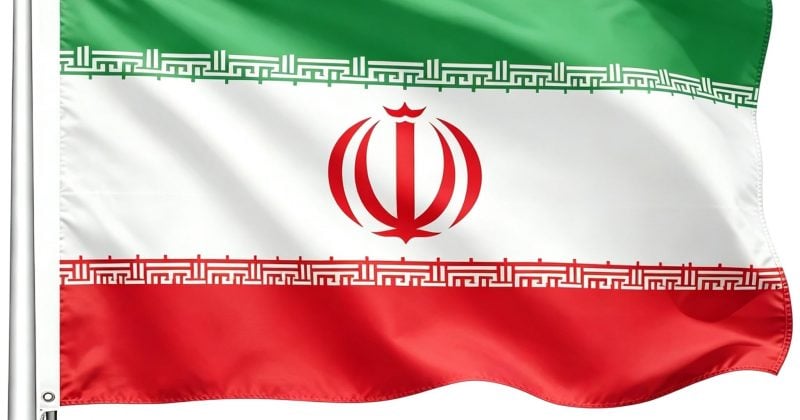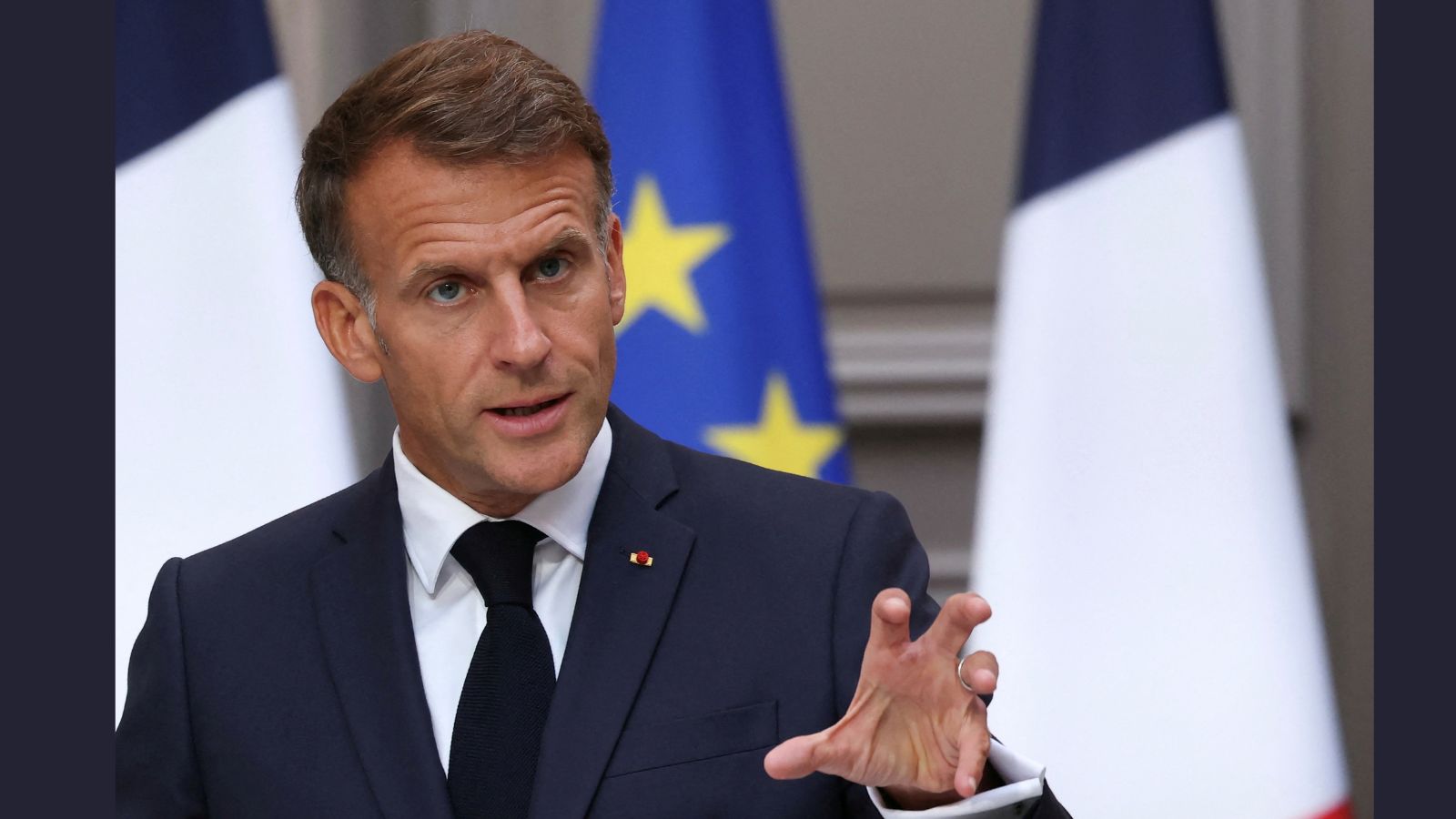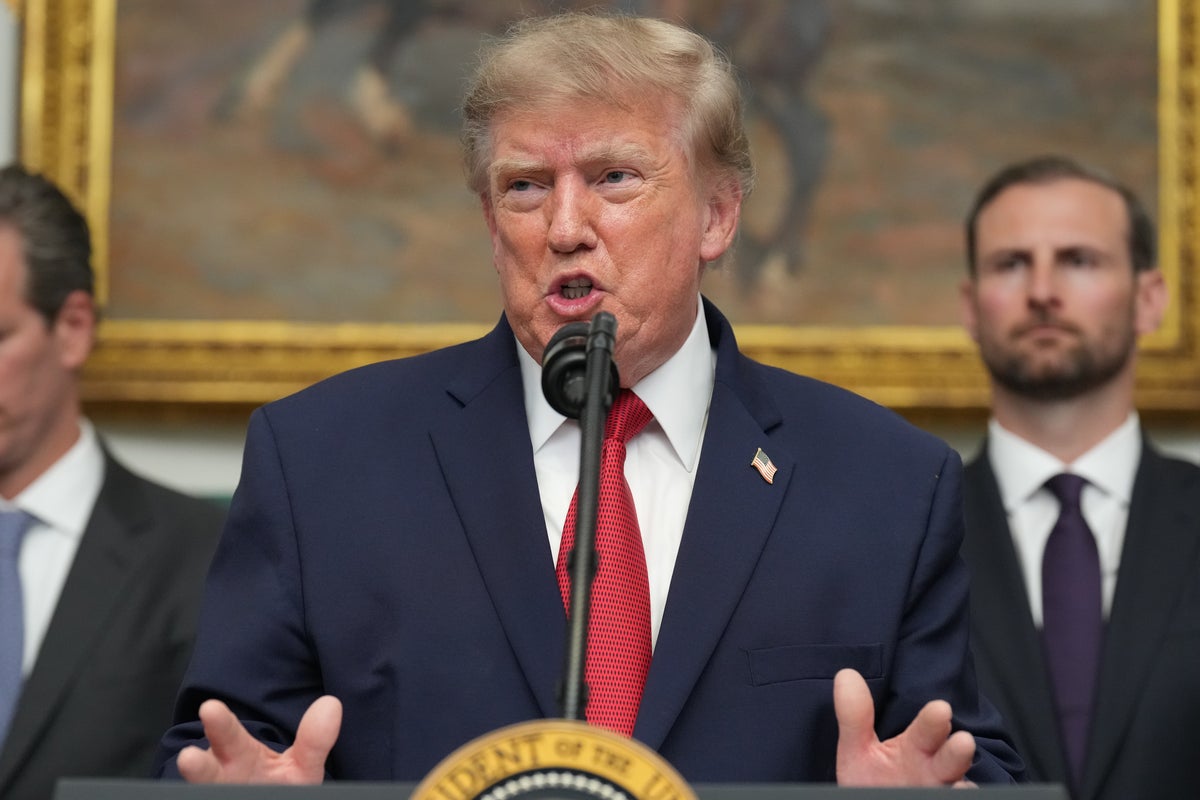
Donald Trump wants the world to believe the Strait of Hormuz is basically American property. Tehran insists the vital energy corridor remains firmly closed to anyone defying its terms. As Washington rolls out punishing new financial penalties through the Treasury Department, the high-stakes showdown has entered a dangerous financial phase.
You're looking at a classic standoff where military might collides with brutal economic reality. The White House thinks it can starve Iran's clerical government into total submission. Yet, reality on the ground tells a much messier story.
The Limits of Financial Pressure
Let's be real about what financial coercion can actually achieve. Treasury Secretary Scott Bessent promised unprecedented restrictions targeting anyone throwing a lifeline to Tehran. Washington's primary target is Beijing, which historically absorbs a massive share of Iran's exported crude.
Trump expects secondary sanctions to force China's hand. But treating major global superpowers like obedient subsidiaries rarely works out the way planners hope in Washington briefing rooms. Beijing wants stable energy flows, not lectures on extraterritorial sovereignty. When you threaten third-party buyers with severe penalties, you risk driving international commerce further underground.
Dark shipping fleets and hidden transactions already bypass Western oversight. Tightening the financial noose just forces traders to get more creative with their transponders and ship-to-ship transfers.
Why the Strait of Hormuz Standoff Hurts Everyone
Before the current conflict erupted, roughly one-fifth of global oil supplies moved through the narrow maritime chokepoint of Hormuz. Today, traffic sits at a fraction of those historic volumes.
U.S. naval forces maintain a heavy presence, trying to escort select vessels and project absolute dominance. Trump talks up a wall of steel, but shipping insurers remain terrified. Commercial tankers are steering clear, worried about stray projectiles and regional escalation.
Iran's leadership understands their leverage completely. Even with heavily battered conventional military forces, Tehran retains enough asymmetric capability—drones, missiles, and marine mines—to keep risk profiles extraordinarily high. You can declare a waterway open on social media all you want, but ship captains make decisions based on insurance rates and survival.
The Domestic Trap Inside Iran
Washington's calculation assumes that economic starvation automatically triggers regime change. History offers a harsh counterargument. Punishing ordinary citizens rarely deposes entrenched authorities; instead, it often forces populations to huddle closer to the state for basic survival.
Iranian officials know their economic survival depends on finding workaround buyers and regional partners. When the United Arab Emirates suspends trade transactions, Tehran looks toward alternative channels and diplomatic outreach with neighbors like Oman. The clerical government absorbs massive punishment, but they refuse to sign away their nuclear ambitions or regional influence under naked coercion.
Trump faces a shrinking margin for error. If global energy prices spike because tankers refuse to move, American voters will feel the pinch at the pump. Pushing for maximum economic isolation means taking on the economic blowback at home, too.
The strategy relies on a simple bet: that Iran runs out of cash before the West runs out of patience. Right now, both sides are staring down the barrel of an endless stalemate.
Trump Warns Iran of 'Draconian' Sanctions, Says Hormuz Strait is Open | Firstpost News
This video provides an up-close look at the administration's rhetoric regarding sweeping financial measures and maritime control in the Persian Gulf.