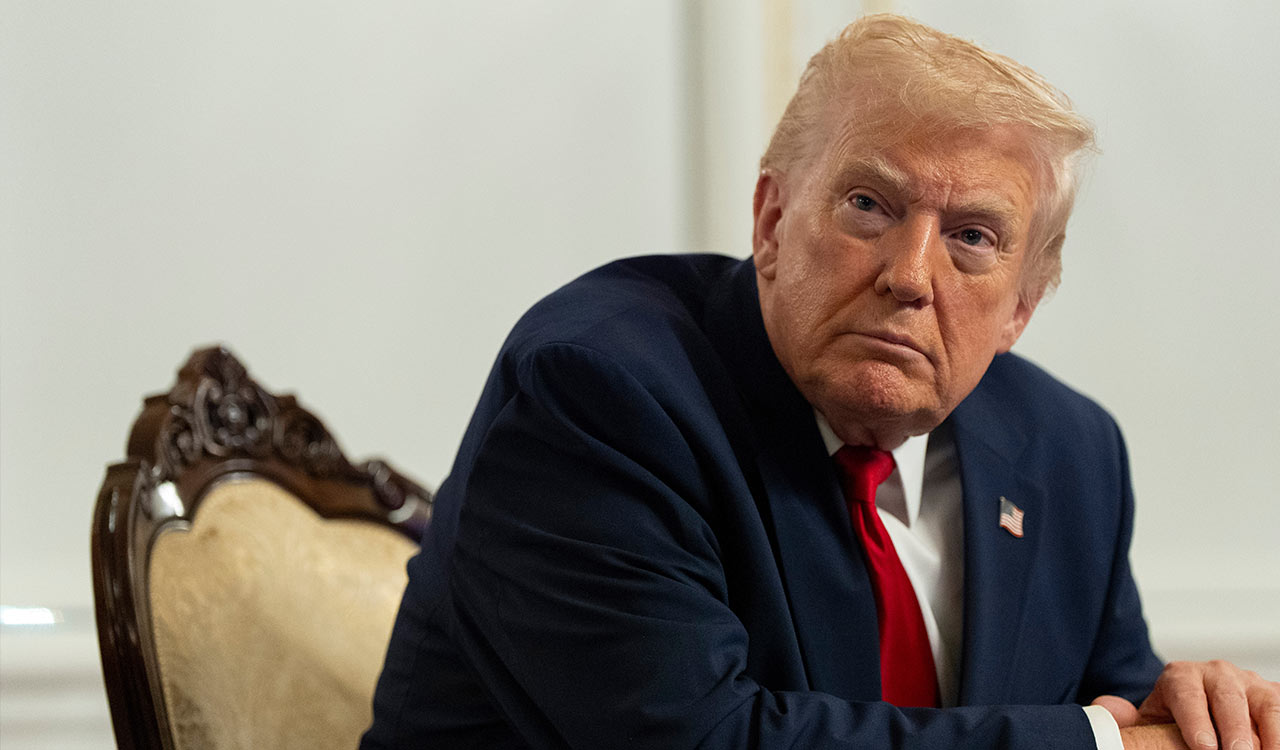
Donald Trump doesn't think the ongoing US military friction with Iran qualifies as a real war. While talking to reporters at the Oval Office, the former president doubled down on Vice President JD Vance's controversial framing, dismissing the hostilities as "small potatoes" and an "intermittent" conflict rather than a full-scale foreign entanglement.
If you've been watching the headlines, you've probably wondered why the White House keeps dodging the "war" label. The administration wants to avoid drawing comparisons to Vietnam or Iraq. Trump explicitly noted that past prolonged wars cost tens of thousands of American lives, whereas the current friction with Iran has seen significantly fewer casualties, citing a reported 18 military deaths while casually comparing it to operations in Venezuela.
Controlling the Strait of Hormuz
A huge part of this debate centers on maritime control and global oil supply routes. The Strait of Hormuz has long been a choke point for international energy markets. Trump claimed that US forces now hold a tight grip on the waterway after targeting regional radar installations, aircraft, and small watercraft that previously protected Iranian positions.
According to the administration, daily maritime shipping traffic is still moving through the corridor. The strategy relies on targeted airstrikes and rapid enforcement rather than sustained boots on the ground. By keeping operations intermittent, the White House hopes to project dominance without getting dragged into an infinite quagmire in West Asia.
The Strategy Behind Downplaying Hostilities
Why use dismissive phrasing like "small potatoes" for a military confrontation with a major regional power? Politics and optics dictate the vocabulary here. JD Vance initially sparked debate by refusing to call the engagement a war, and Trump's public backing serves a clear purpose. It frames the military action as a limited, highly successful enforcement campaign rather than a failing occupation.
When you look at the wider geopolitical chessboard, the administration is also trying to isolate Tehran economically while keeping Beijing in check. Vance previously noted that China has shown willingness to work with Washington on economic pressure against Iran, viewing Beijing's stance as more pragmatic than Tehran's defiance.
Ultimately, the White House wants voters and international observers to see these strikes as routine maintenance of global shipping lanes rather than the start of another Middle Eastern crusade. Whether that label holds up under future pressure remains to be seen, but for now, the administration is sticking to its script.