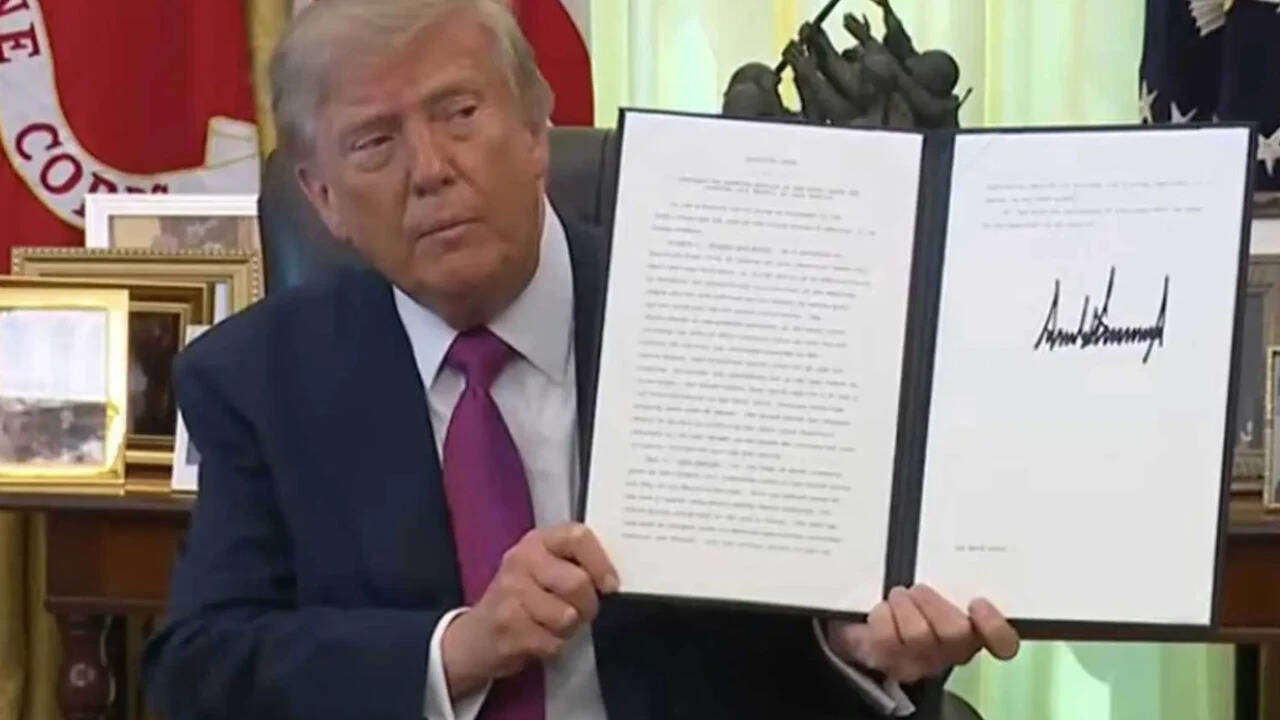
The Constitution doesn't bend just because a president wants it to. That is the core takeaway from a federal court ruling that just slammed the brakes on the White House's latest attempt to rewrite who gets to be an American.
If you've been tracking immigration headlines, you know this battle is far from new. Back in June, the Supreme Court struck down a sweeping executive order meant to deny automatic citizenship to children born in the US to undocumented or temporary visitors. Most people assumed that would settle the matter. It didn't. In August, the administration tried a narrower approach. They issued a fresh set of executive orders targeting specific groups, focusing heavily on what officials call "birth tourism" and people categorized as "alien enemies."
Now, federal courts are stepping in again. U.S. District Judge Deborah Boardman issued a preliminary injunction blocking the enforcement of these August directives. Her reasoning was blunt. The Supreme Court already spoke on this issue. You can't just recycle a defeated policy with different wording and expect a different legal outcome.
What the New Executive Orders Actually Tried to Do
The administration didn't give up after the June defeat. Instead, they drafted a more targeted text on August 6 designed to shrink the scope of birthright citizenship under the Fourteenth Amendment.
The text focused on a few specific buckets:
- Children of foreign diplomatic staff and international organization employees, like workers at the United Nations or the World Bank.
- People designated by the government as "alien enemies."
- Anyone who engaged in a "commercial transaction" to ensure a child was born on US soil, which officials termed birth tourism.
On paper, targeting baby mills or commercialized citizenship schemes sounds like a straightforward policy tweak. In reality, the definitions were dangerously broad. Advocacy groups like the Asylum Seeker Advocacy Project and We Are CASA pointed out how easily these rules could catch everyday asylum seekers in the crossfire. If you bought an airline ticket to escape violence, did that count as a commercial transaction? If the government labeled a relative back home as a threat, could your newborn lose their constitutional rights?
The administration argued that lawsuits were premature because formal enforcement guidelines hadn't been fully rolled out yet. Judge Boardman didn't buy it. She noted that the executive order itself explicitly commands federal agencies to withhold citizenship documents from these broad groups, meaning the harm is immediate and real.
The Heavy Shadow of the Fourteenth Amendment
Birthright citizenship isn't some modern policy up for debate every election cycle. It's anchored to 1868 and the ratification of the Fourteenth Amendment. For well over a century, the rule has been simple: if you are born on US soil, you are a citizen. Period. There are historical exceptions, like children born to foreign diplomats actively serving in an official capacity, but those exceptions are narrow and well-defined.
When the administration tried to expand those exceptions to include temporary visitors, undocumented workers, and vague categories of "alien enemies," legal scholars warned it was a bridge too far. The Supreme Court agreed in June, ruling that the executive branch lacks the unilateral authority to amend constitutional guarantees via executive fiat.
Judge Boardman leaned heavily on that precedent. Her 35-page opinion left little room for misinterpretation. She wrote that no presidential order can undo what the highest court in the land has already decided. The children protected by the certified class in the ongoing litigation are citizens at birth. The president has to follow the law just like everyone else.
What Happens Next for Families Caught in Limbo
Uncertainty wreaks havoc on real people. While lawyers argue constitutional theory in federal court, families are left holding their breath. Imagine holding your newborn baby in a hospital room, wondering if a shifting political definition will strip them of their birthright. That's the terrifying reality for many immigrant parents navigating this chaos.
Legal experts expect the administration to appeal this preliminary injunction. The fight will drag on through the appellate courts, keeping the issue alive as a cornerstone of the broader immigration debate. But for now, the injunction holds.
If you're following this issue closely, keep an eye on how lower courts handle the specific definitions of "alien enemy" and how federal agencies attempt to bypass the injunction. The legal battles won't stop here, but the constitutional guardrails are holding firm against executive overreach.
Watch Judge blocks Trump's birthright citizenship order for a breakdown of the court's reliance on Supreme Court precedent.
http://googleusercontent.com/youtube_content/1