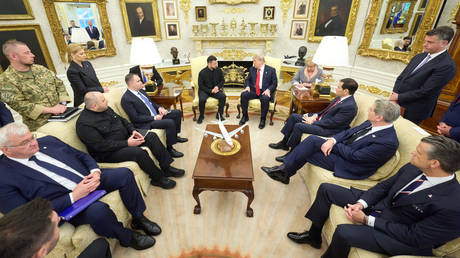
You wanted a quick photo-op of wartime unity, but the closed doors at the Oval Office told a totally different story. Donald Trump and Benjamin Netanyahu just held their first face-to-face showdown at the White House since launching their joint military campaign against Iran, and honestly, the cracks are starting to show.
If you are trying to figure out why this specific meeting matters so much right now, you need to look past the official press statements claiming everything was "positive and productive." The reality on the ground is messy, expensive, and politically radioactive for both leaders. In other developments, read about: Why The Strait Of Hormuz Standoff Is Heating Up Again.
The Domestic Pressure Cooker
Let us talk about why both men walked into that room with sweat on their brows. Trump is staring down brutal midterm elections this November in the United States. Voters are angry about soaring fuel prices and economic fallout tied directly to the disruption of shipping lanes like the Strait of Hormuz.
On the flip side, Netanyahu is fighting for his political survival ahead of upcoming national elections in Israel. His domestic standing has taken a severe beating, and a fractured partnership with Washington is the absolute last thing he can afford. Reuters has provided coverage on this important topic in great detail.
"We have a little difference," Trump admitted to reporters ahead of the talks, dropping the diplomatic mask entirely.
That little difference is a massive gulf over how to handle Tehran.
The Pickaxe Mountain Clash
Before they even sat down for their ninety-minute closed-door chat, public friction erupted over intelligence regarding Pickaxe Mountain. Reports leaked that Netanyahu intended to present fresh intelligence on Iranian activities at the contested nuclear site to push for renewed strikes.
Trump did not hide his irritation. During an interview on Fox and Friends, he made it clear he knew exactly what was happening at the site and dismissed the panic.
"Why do you have to announce to the world?" Trump asked, calling out his ally directly for grandstanding. Trump wants an off-ramp. He knows his administration faces dwindling stockpiles of advanced air defense interceptors, worn down by cheap enemy drones, and he is actively hunting for a negotiated deal with Tehran.
Beyond Tehran: Gaza, Lebanon, and Regional Fallout
The agenda in Washington was not limited to Iran. Both leaders had to tackle the delicate framework agreements surrounding the Israel-Hezbollah conflict in Lebanon and the implementation of initial security forces in Gaza.
Israel has agreed to let the Lebanese Army deploy in parts of southern Lebanon under a strict pilot arrangement, with follow-up talks scheduled in Rome. Meanwhile, Vice President J.D. Vance and other key administration officials sat in on the discussions to remind Tel Aviv of Washington's shifting patience, especially as public support for prolonged military engagements continues to crater back in the United States.
What Happens Next
Netanyahu left the White House calling the talks excellent and pointing to a shared goal of preventing a nuclear Iran. But words do not fix a widening strategic gap. Trump wants a diplomatic exit strategy that stops the economic bleeding before the midterms, whereas Netanyahu wants assurance that Washington will not abandon the long game against regional adversaries.
Keep your eyes on the oil markets and upcoming diplomatic sessions in Europe. The real test of this alliance is not what was said behind closed doors in Washington, but whether either leader actually follows through on a ceasefire.