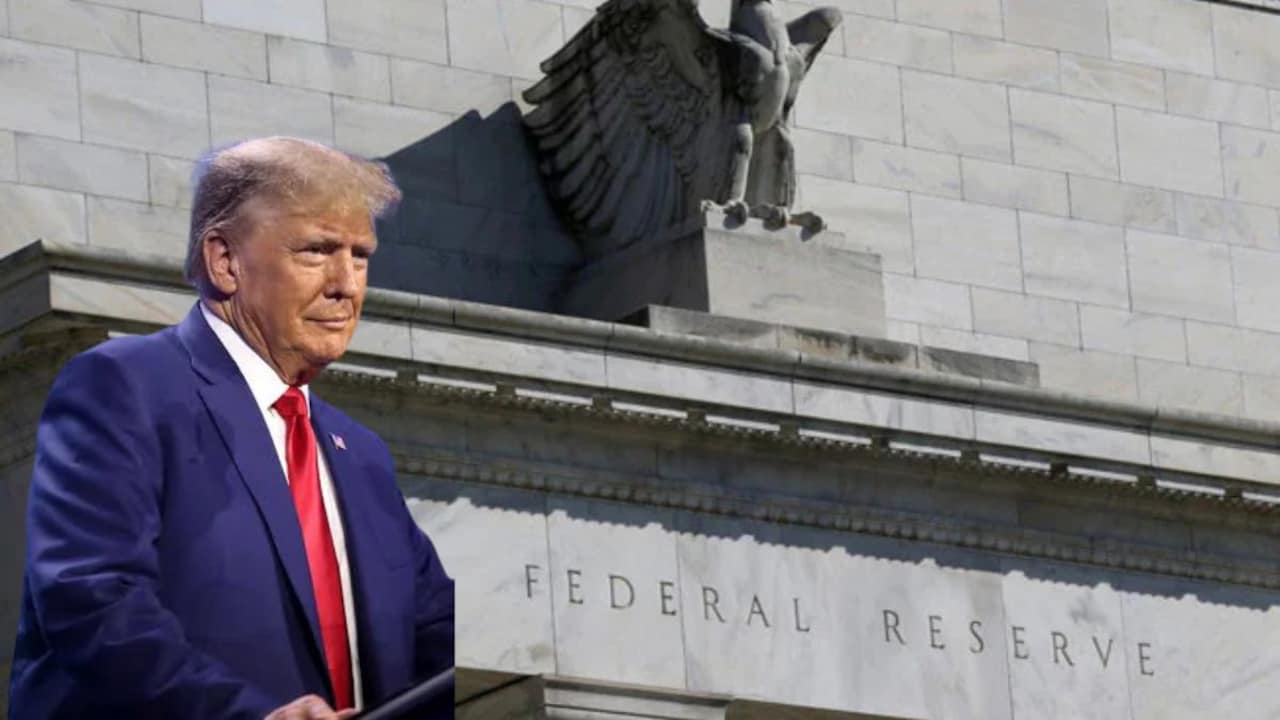
The White House just announced an "economic D-Day" meant to crush Iran. It sounds tough. It sounds decisive. But if you look at the track record of U.S. sanctions over the last fifty years, this feels more like a desperate political maneuver than a genuine strategic shift.
President Trump is staring down midterm elections. The war in Iran is unpopular, expensive, and dragging on. Weapon stockpiles are running thin. When you can’t win on the battlefield, you start looking for other levers. That’s exactly where we are now. The administration is pivoting back to financial warfare, hoping that if they squeeze hard enough, Tehran will finally crack.
But here’s the reality: they aren't dealing with a new adversary. They’re dealing with a regime that has spent decades building a professional infrastructure specifically designed to bypass American financial controls.
The Problem With Secondary Sanctions
Treasury Secretary Scott Bessent is threatening secondary sanctions on any nation or company that continues doing business with Tehran. This is the core of the new plan. The idea is simple. You force global players—specifically China and India—to choose between access to the American market or trade with Iran.
It’s a blunt instrument. And it’s one we’ve seen break before.
I’ve tracked these policies for years, and the pattern is always the same. You announce a total embargo. You threaten the world. Then, reality hits. You realize that global energy markets are fragile. When the price of oil spikes, the political cost at home becomes unbearable. You end up granting secret waivers or looking the other way because you can't afford to tank the global economy just to make a point.
If the U.S. actually goes through with cutting off major importers, we aren't just hurting Iran. We’re creating a supply shock that hits American consumers at the gas pump. That’s a gamble a president rarely wins right before an election.
Why Tehran Is Not Folding
Critics of this strategy point to a fundamental misunderstanding of Iranian incentives. The common assumption in Washington is that economic misery will force a regime to negotiate. History suggests otherwise.
For the leadership in Tehran, surviving is the only priority. They view the current U.S. administration not as a partner they can negotiate with, but as an existential threat. If you’re already under maximum pressure, what incentive do you have to surrender? They believe that if they capitulate now, the goalposts will just move tomorrow. They’ve seen it happen before.
They have also become masters of the gray market. Iran has developed an elaborate network of shell companies, ship-to-ship oil transfers, and private banking channels that operate outside the Western-dominated SWIFT system. They don't need the U.S. banking system to move money; they’ve spent years building alternatives.
The Cost of Isolation
Look at what happened with the United Arab Emirates. They recently suspended trade with Iran, which looks like a win for Washington. But look closer. That trade didn't just disappear; it shifted. It went to less accessible, more opaque channels.
Every time the U.S. forces a country to close a door, the regime in Tehran just spends more resources opening a side window. This is the "whack-a-mole" problem. You stop one tanker, three more slip through under different flags. You sanction one bank, they open an office in a jurisdiction that doesn't care about American subpoenas.
The administration thinks this is the final push. They think they’ve created a "perfect storm" because of the recent military strikes and naval blockades. They might be right about the pressure, but they’re likely wrong about the outcome. Pressure without a credible exit ramp is just an exercise in spite.
What Happens Next
If you’re watching this, don't expect a sudden collapse of the Iranian economy. What you should expect is:
- Increased Volatility in Energy Markets: Any credible threat of cutting off Iranian oil supply creates instant risk premiums. Expect the price of oil to move based on every headline.
- Diplomatic Friction: The U.S. is going to have to lean on its allies in Europe and Asia. That causes tension. Countries like India have their own national interests, and they aren't always going to prioritize Washington's foreign policy goals over their own energy security.
- More Gray Market Activity: Expect a surge in illegal ship-to-ship transfers in the Persian Gulf and more creative financing.
The strategy ignores the biggest lesson of the last decade: Iran does not respond to threats by backing down. They respond by digging in. If the goal is a peaceful resolution, this isn't how you get there. If the goal is just to say you did something while the midterm clocks tick down, it’s a success.
Don't mistake the noise for a real strategy. Watch the energy prices and watch the waivers. When the first exceptions are granted—and they will be—that’s when you’ll know this "D-Day" was just another round of the same old game.