Washington just opened another tariff front. Not on a whim, and not through emergency decrees that courts can toss out in a single afternoon.
On November 25, 2026, the Office of the U.S. Trade Representative (USTR) announced proposed new tariffs targeting 14 trading partners, including China and the European Union, following a months-long investigation into alleged structural excess manufacturing capacity. If you only read headlines about Trump new tariffs, you might think this is a repeat of last year's chaotic broadsides. Honestly, it's not. It's a calculated legal rebuild after the U.S. Supreme Court struck down the administration's earlier emergency-power duties in February 2026.
For importers, factory managers, and everyday shoppers, the stakes are real. Proposed rates span roughly 15% to 35% depending on the partner, with China facing a proposed 20% excess-capacity duty and the EU slated for 15% under existing trade understandings, while public comments run until January 5, 2027, and hearings begin January 25, 2027. Nothing hits port customs tomorrow morning, yet supply chains are already shifting gears.
How Trump New Tariffs Grew Out of a Court Defeat
Tariff policy in 2026 has a clear before-and-after moment. In February 2026, the U.S. Supreme Court ruled that the International Emergency Economic Powers Act did not authorize the sweeping global import taxes President Donald Trump had rolled out, including the paused April 2025 duties. That ruling pulled the rug out from under fast, unilateral tariff moves.
So USTR pivoted. On March 11, 2026, trade officials launched investigations into 16 economies over structural overcapacity and excess production across manufacturing sectors like batteries, cement, chemicals, and processed food. By November 25, 2026, USTR made formal determinations against 14 economies—Bangladesh, Cambodia, China, the European Union, India, Indonesia, Japan, South Korea, Malaysia, Singapore, Switzerland, Taiwan, Thailand, and Vietnam—finding their practices unreasonable and burdensome to U.S. commerce under Section 301(b) of the Trade Act of 1974.
Section 301 is slower than emergency decrees. It requires public notices, comment windows, and hearings. It is also far harder to knock down in court than an open-ended emergency claim.
Why China Faces the Sharpest Pressure
China sits at the center of this round. USTR proposed a 20% excess-capacity tariff on Chinese goods, which sits on top of older duties dating back to 2018 and comes right before a U.S.-China trade truce expires on January 10, 2027.
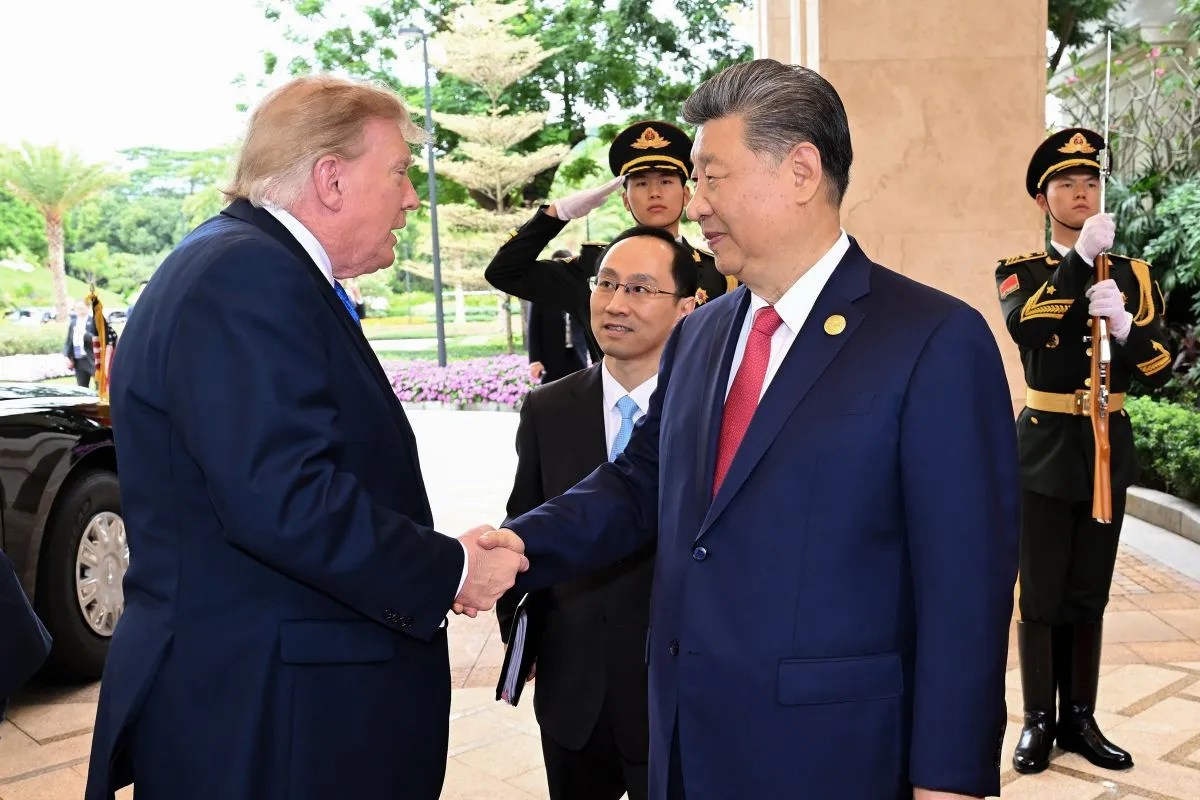
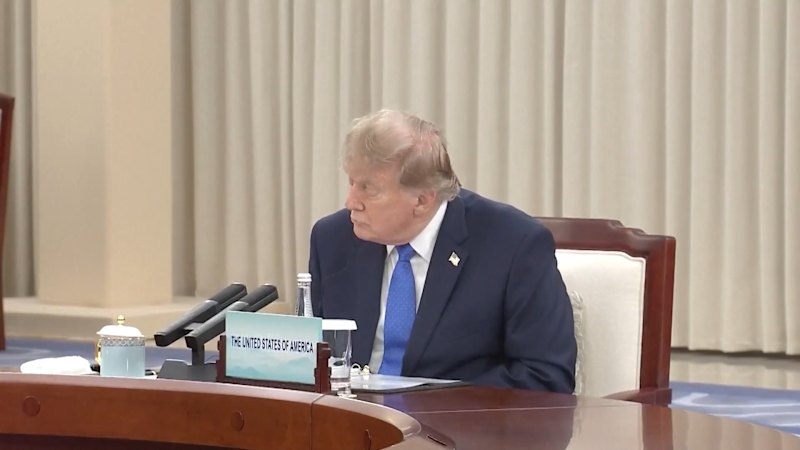
Beijing pushes back hard on the premise. China's foreign ministry has rejected the claim that structural overcapacity exists in the way Washington describes it, while U.S. Trade Representative Jamieson Greer has argued the proposed duties fit within ongoing negotiations with Beijing. Timing matters here. These proposals surfaced shortly after President Trump met Chinese President Xi Jinping during the APEC summit in China and ahead of the G20 gathering set for Miami in December 2026.
In my experience watching multi-year tariff battles, companies get burned when they treat announcements as either final law or empty bluster. China's export machine has shown real adaptability over the past eight years, rerouting assembly, shifting product mix, and pricing competitively to keep market share. Still, a 20% excess-capacity layer raises landed costs for U.S. buyers who haven't diversified sourcing.
Brussels Pushes Back Over the 15% EU Ceiling
Hitting the European Union with an excess-capacity label rubs Brussels the wrong way. European Commission officials pushed back immediately, arguing that Europe isn't a source of structural overcapacity and is instead exposed to excess production coming from third countries.
Brussels also pointed straight to the August 2025 EU-US Joint Statement, which sets a 15% all-inclusive ceiling on EU goods. European officials expect any duties emerging from the Section 301 process to respect that 15% cap—including when stacked with existing rules—and plan to press for product exemptions during consultations.
That tension highlights a classic trap in global trade negotiations. Washington wants leverage over industrial capacity and foreign subsidies; allies like the EU argue that punishing partner economies undermines joint pressure on real oversupply elsewhere. Let's be real: when allies get lumped into the same bucket as rivals, cooperation gets messy fast.
What This Means for Prices, Voters, and Supply Chains
Economists and voters aren't viewing these tariffs in a vacuum. After Republican losses in the November 2026 midterm elections, affordability remains a sore spot. Polling around the midterms showed strong public frustration with tariffs and living costs, and incoming Democratic Senate Finance Committee chair Ron Wyden has vowed to fight what he calls tariff chaos, even though legislative pushback faces steep hurdles and potential presidential vetoes.
On the inflation side, analysts are split on how big the next shock will be:
- Inflation math: Goldman Sachs estimates that if implemented, the proposed tariffs would lift the overall U.S. tariff rate from 7.8% to 9.2%, with a relatively small incremental effect on inflation.
- Prior pass-through: Federal Reserve officials have noted that much of the price effect from earlier 2025 tariff waves has already worked through the economy, though fresh duties could still add upward pressure.
- Everyday cost sensitivity: Earlier New York Fed analysis estimated that 2025 tariffs added 2.9 percentage points to goods inflation by February 2026, while recent Bureau of Economic Analysis figures showed annualized consumer price growth at 3.8% in October 2026—above the Fed's 2% target.
Here's a mistake I see businesses make all the time. They wait until a tariff takes effect to renegotiate supplier contracts or check country-of-origin rules. By then, ocean freight is booked, margins are locked in, and scrambling gets expensive. At the same time, it's fair to note that USTR's current proposal leaves room for product exemptions and potential rate adjustments before anything is finalized.
Practical Next Steps If You Import, Export, or Invest
Because these Section 301 proposals are in a consultation window rather than immediate enforcement, you have a narrow window to prepare without overreacting:
- Map your HTS codes against the 14 economies: Check which product lines touch China, the EU, or the other 12 listed economies, and review the official USTR Section 301 excess capacity announcement for specific product-exemption language.
- Track the January 2027 calendar: Mark January 5, 2027, for public comment deadlines, January 10, 2027, for the U.S.-China trade truce expiration, and January 25, 2027, for USTR hearings.
- Audit stacking and trade-deal ceilings: Verify whether your goods fall under existing bilateral frameworks—such as the 15% EU ceiling—or face separate actions, like the proposed changes on Brazilian sugar and aircraft.
- Stress-test your pricing and buffers: Run margin scenarios at both baseline and proposed rates so you know where to absorb costs, adjust retail pricing, or shift secondary suppliers.
Tariff policy isn't going quiet heading into 2027. Do the legwork now while the rules are still being written.