Geopolitics gets weird fast. When a laboratory worker in Siberia dies under mysterious circumstances and dozens of people face quarantine due to suspected plague exposure, Washington usually responds with quiet monitoring or diplomatic silence. Instead, Donald Trump stepped up to reporters at the White House and offered immediate assistance. It is a striking moment that bridges the divide between fierce geopolitical adversaries and public health realities.
Let's break down what actually happened, why high-containment labs in Siberia are back in the headlines, and what this sudden diplomatic pivot means for international biosecurity cooperation.
Inside the Siberia Plague Incident
A laboratory worker at a specialized research facility in Siberia fell ill and died recently. Details remain sparse, which is typical for sensitive biological facilities operating in Russia, but the fallout was immediate. Russian authorities locked down contacts, placing dozens of individuals into quarantine to prevent any potential spread of the pathogen.
When news leaked, social media panicked. People hear the word plague and immediately picture medieval catastrophes. Reality is more clinical, but high-containment biological facilities always carry inherent risks. These institutions study some of the most dangerous pathogens known to humanity. When accidents happen or workers fall ill inside these perimeters, containment protocols kick in instantly.
Russian officials were quick to state that the situation is fully under control. Yet, the very fact that a suspected plague death occurred inside a research institute triggered global anxiety.
The White House Response and Geopolitical Optics
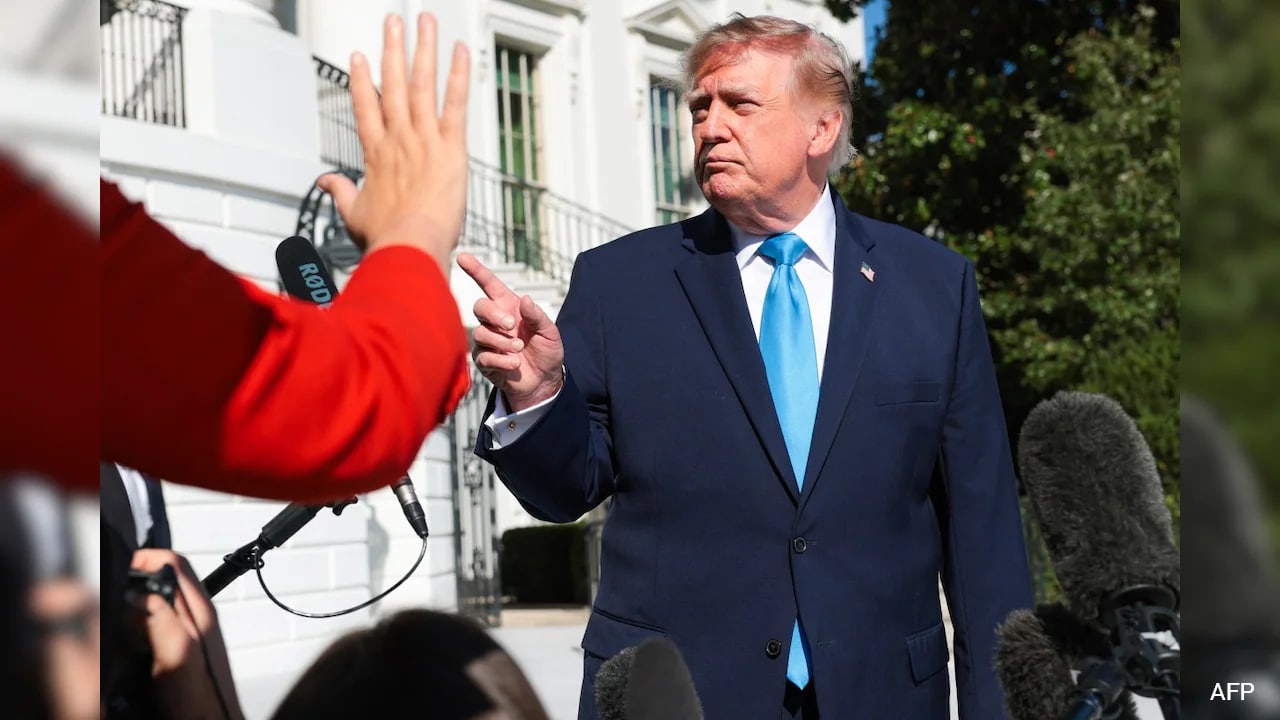
As Trump left the White House for a trip to Nebraska, reporters pressed him on the Siberia outbreak. His response was remarkably direct. He called it a rough disease and a big problem for Russia, stating that the United States is always willing to help anyone facing that kind of crisis.
This isn't standard diplomatic boilerplate. Relations between Washington and Moscow remain intensely strained over the ongoing war in Ukraine and broader strategic conflicts. For an American president to publicly offer medical or technical aid in the middle of these tensions highlights a long-standing diplomatic tradition: disease doesn't care about borders, sanctions, or political posturing.
Past administrations have occasionally engaged in biomedical diplomacy with ideological rivals, but doing so openly in today's polarized political climate is rare. Trump has consistently maintained that he can work directly with Russian leadership, and this latest offer puts that philosophy into practice through the lens of emergency public health management.
Why Biological Research Facilities Draw Concern
High-security laboratories handling dangerous pathogens exist worldwide, from the United States and Europe to Russia and Asia. These facilities are designed to protect populations by studying diseases so we can develop treatments and vaccines. However, working with ancient bacteria like Yersinia pestis—the causative agent of the plague—always carries risk.
Biosafety Level 4 (BSL-4) and high-level BSL-3 labs operate under extreme security, negative pressure air systems, and rigorous decontamination protocols. Despite these precautions, human error or unexpected exposure can occur.
When a lab worker dies, it raises uncomfortable questions about internal safety protocols and transparency. Global health organizations often struggle to get transparent data from secretive state-run research facilities. This is precisely why international offers of help, even if rejected or ignored by Moscow, matter for the global record. They establish a precedent of accountability and external oversight.
What Happens Next in International Biosecurity
Will Russia accept American assistance? History suggests probably not, at least not publicly. Moscow prizes scientific self-reliance and guards state secrets fiercely, especially those tied to research facilities with historical ties to Soviet-era biodefense programs.
However, the gesture shifts the narrative. It reminds the international community that biological security requires global cooperation. Pathogens do not respect geopolitical boundaries. A local containment breach in Siberia can rapidly become a continental problem if protocols fail.
Moving forward, watch for how international health bodies respond to the incident. If Russian authorities release a detailed epidemiological report, it will calm global markets and public nerves. If they stay silent, speculation will grow.
Keep an eye on how Washington frames future humanitarian overtures. When health crises collide with great power competition, science diplomacy is often the first line of defense we forget, and the one we desperately need.