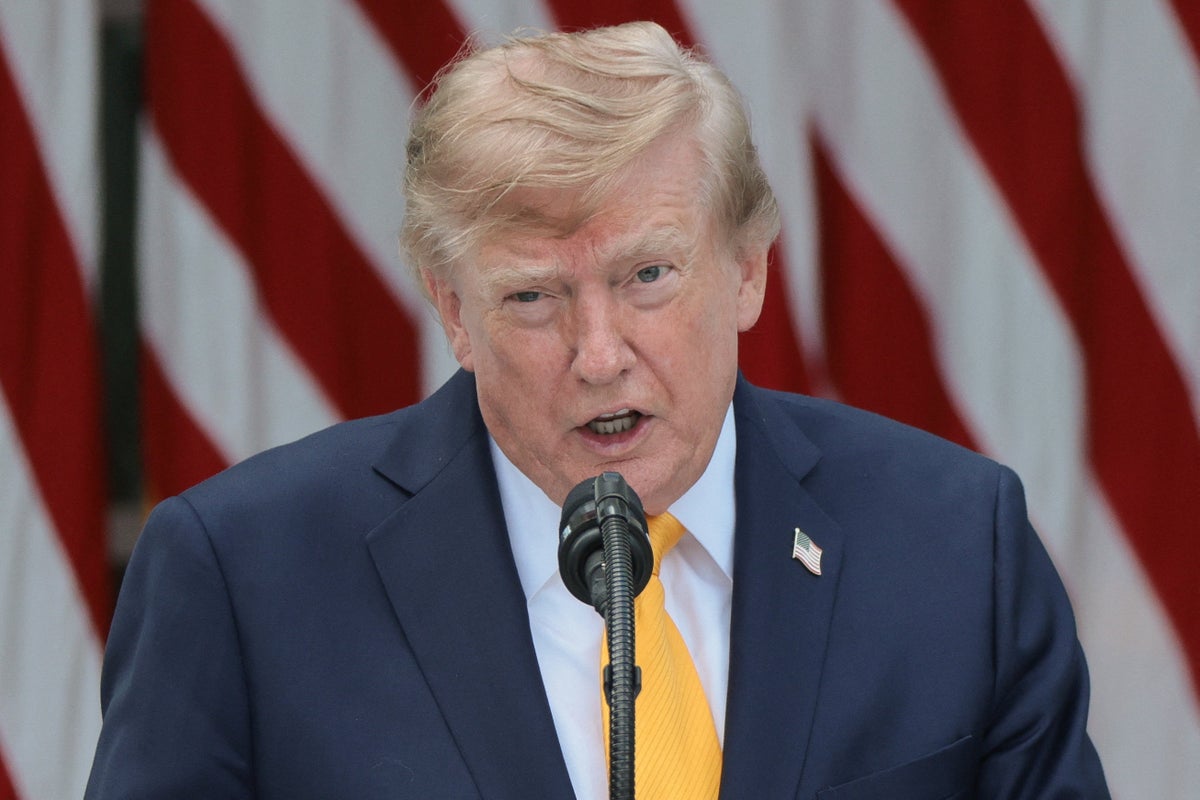
Donald Trump isn't one to step into the background. As the 2026 Midterm Elections draw closer, political analysts keep pointing to lagging approval numbers as a reason for the White House to tone down its visibility. That advice is falling on deaf ears. Instead of retreating to safer territory, the administration is doubling down on a high-profile strategy that places the president right at the center of the electoral map.
Voters are heading into this cycle with complex economic pressures and foreign policy debates weighing heavily on their minds. National surveys from organizations like the Pew Research Center and the Economist/YouGov Poll highlight a divided electorate where presidential job performance is a polarizing anchor. Rather than letting local congressional candidates run independent campaigns, the White House strategy relies on turning every single district referendum into a direct choice on national leadership.
The High-Risk Calculation Behind the Strategy
Political risk is nothing new for this administration, but charging headfirst into a midterm cycle with underwater polling requires a distinct kind of bravado. Recent data shows public approval hovering in the mid-thirties, driven by persistent voter anxiety over inflation, cost-of-living increases, and international conflicts.
Conventional wisdom says unpopular presidents become campaign poison. Candidates down-ballot usually run away from the Oval Office to save their own political skins. This time, the playbook looks entirely different. Trump's inner circle believes that nationalizing the election is the only way to energize the dedicated core of the base. Enthusiasm gaps decide midterms more than baseline approval ratings do. If you can drive high-propensity voters to the polls through sheer force of personality and polarization, standard political gravity might just fail.
What the Polls Actually Say About Voter Intent
Look past the topline presidential approval numbers, and you see a sharper fracture in how Americans view Congress. According to tracking data from CNN and Emerson College Polling, a significant portion of voters view their upcoming congressional ballots explicitly as a referendum on the administration.
- A substantial margin of voters report thinking of their vote as opposition to the president.
- Highly enthusiastic voters are breaking heavily toward Democratic challengers in generic ballot tests.
- Core loyalists within the base remain firmly aligned, creating a stark internal divide among Republican-leaning voters.
This polarization cuts both ways. While opponents are motivated by frustration, the loyal base responds strongly to personal rallies and direct appeals from the top of the ticket. Local candidates are forced to ride the wave, whether they want the turbulence or not.
Navigating the Electoral Map Ahead
If you're watching how these dynamics play out across individual states, pay attention to independent voters. They broke hard against the administration in recent polling cycles, citing economic strains and foreign policy missteps. Winning back even a fraction of those persuadable blocks will determine whether the strategy succeeds or backfires completely.
Expect a relentless blitz of campaign stops, digital media saturation, and sharp messaging focused heavily on border security and economic nationalism. The strategy is set. Trump is staying front and center, daring the electorate to make November all about him.