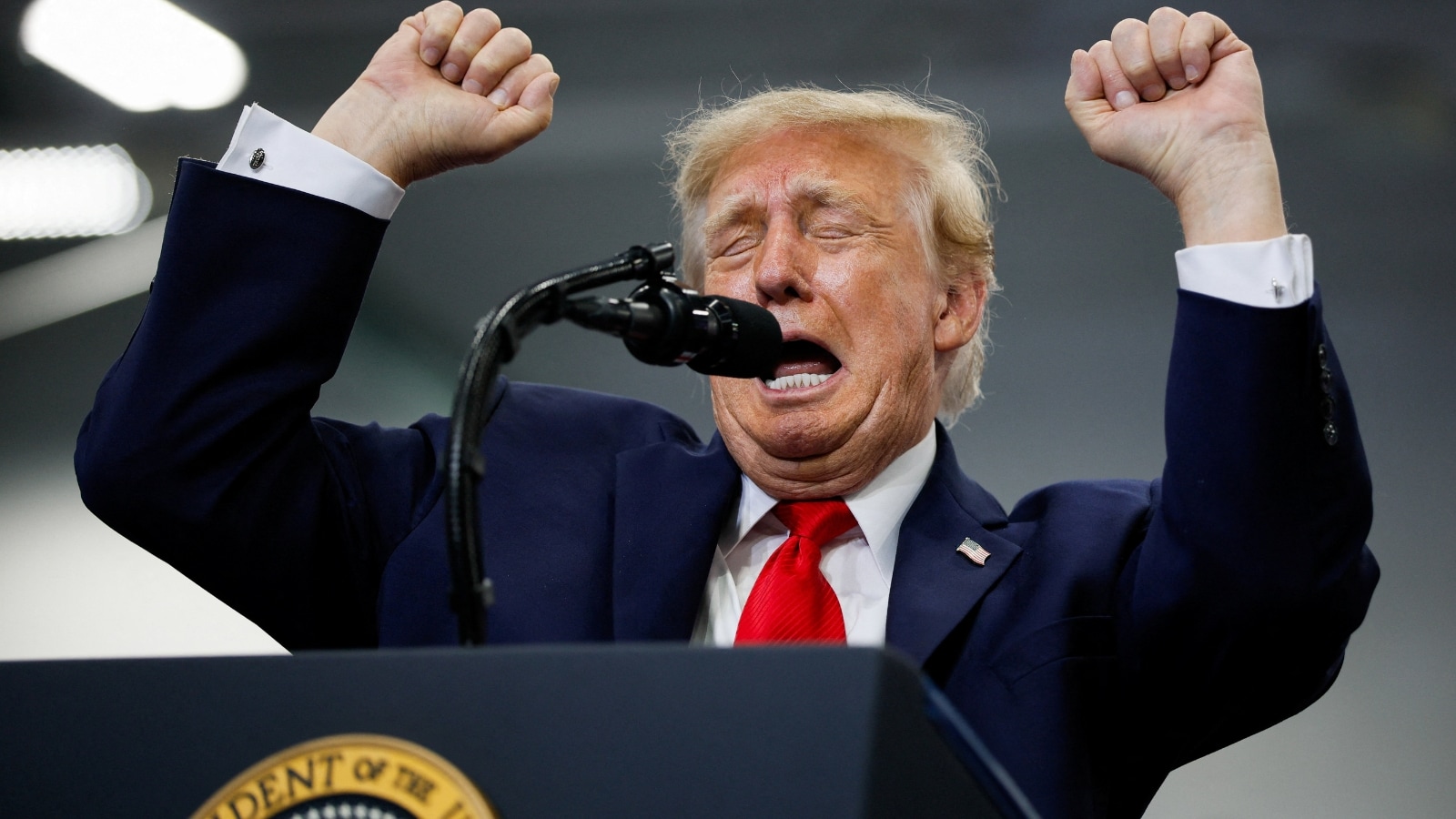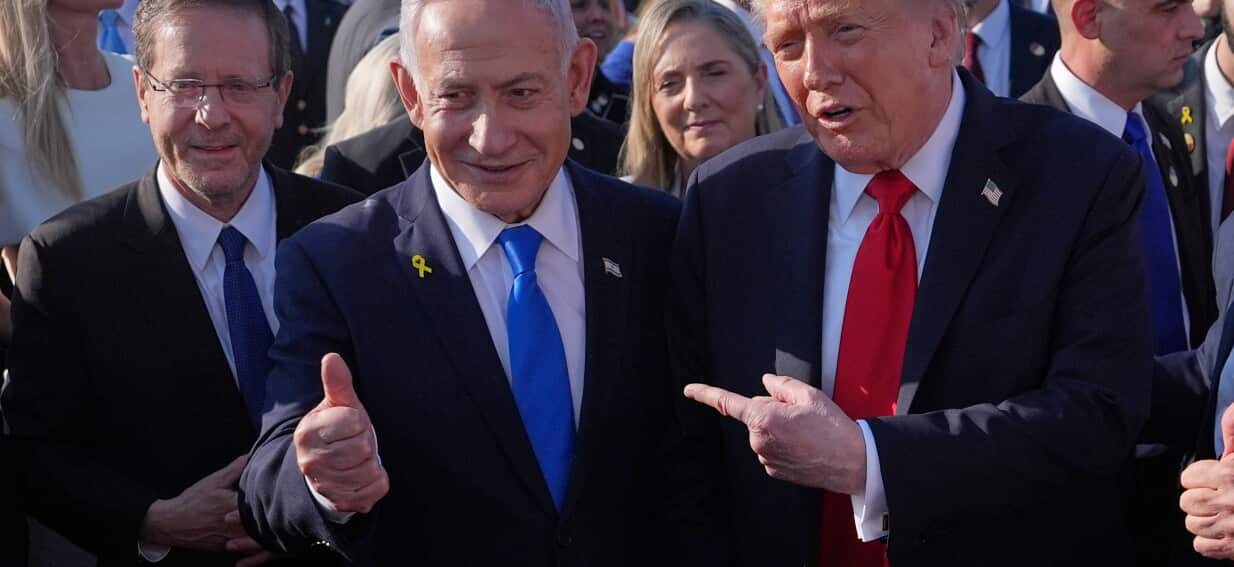
Donald Trump just dropped a massive policy shift right as Americans head to the polls. The United States will stop providing an annual $4 billion military aid package to Israel, targeting an end to the direct assistance by 2027.
If you have been following foreign policy dynamics, this sounds like a seismic break. But scratch beneath the surface, and the reality is far more transactional. Israel isn't being cut off; the relationship is simply shifting from a handout model to a pure commercial arms market.
The Real Reason Behind the Aid Cut
Trump stated clearly during a Fox News interview that Israel simply doesn't need the money anymore. Prime Minister Benjamin Netanyahu actually approached him about phasing out the assistance, noting that discussions have quietly happened over the past couple of years.
Israel's economy has matured dramatically over decades. The country is an economic powerhouse with a booming tech sector and advanced domestic defense manufacturing. Continuing to pump billions in free aid into a prosperous nation creates an easy target for domestic political critics.
Trump pointed out that the optics have become problematic. Political opponents on the left frequently weaponize the multi-billion-dollar package during election cycles, framing it as an unfair allocation of American taxpayer funds while domestic infrastructure struggles. By ending the direct aid subsidy, Washington pulls the rug out from under a recurrent talking point used by progressive critics and opposing candidates.
Moving From Assistance to Commercial Barter
Don't mistake this for a total defense decoupling. The underlying alliance remains completely intact. Instead of the U.S. gifting billions through Foreign Military Financing (FMF), Israel will shift toward purchasing advanced military hardware outright.
Think of it as moving from a gift card model to direct enterprise purchasing. Trump framed the pivot simply: "You can consider it barter. You can consider military aid or cash".
Historically, much of the FMF money already cycled right back into the U.S. economy because Israel was required to spend those funds on American-made defense contractors. Under the new framework, Israel will buy what it needs directly from defense giants like Lockheed Martin and Raytheon using its own capital reserves.
Historic Context and Complications
For decades, U.S. military support has been treated as untouchable. Back in 2016, the Obama administration signed a landmark 10-year memorandum of understanding guaranteeing $38 billion total—roughly $3.8 billion annually. Netanyahu himself has previously hinted that phasing out this dependence was inevitable, telling interviewers earlier in the year that a gradual taper was already in the works.
However, shifting away from these agreements isn't completely frictionless. Long-standing international commitments, such as the framework established under the Camp David peace accords, legally bind Washington to support regional security for both Israel and Egypt. Managing those legal obligations while restructuring billions in financial flows requires careful diplomatic navigation.
Furthermore, American defense contractors will be watching order books closely. If Israel's direct purchases drop below historical funding levels, domestic manufacturing lines tied to specific export programs could feel a pinch.
What Happens Next
The transition is slated to take effect as the current multi-year funding structures wind down. Netanyahu's government will need to absorb the full cost of its defense procurement within its national budget, while U.S. lawmakers adjust to a foreign policy landscape where Israel purchases its security rather than receiving it subsidized.
The era of blanket checks is closing. Security cooperation between Washington and Jerusalem is entering a purely commercial phase.
This video provides additional context and news coverage regarding Donald Trump's announcement to halt military aid to Israel.