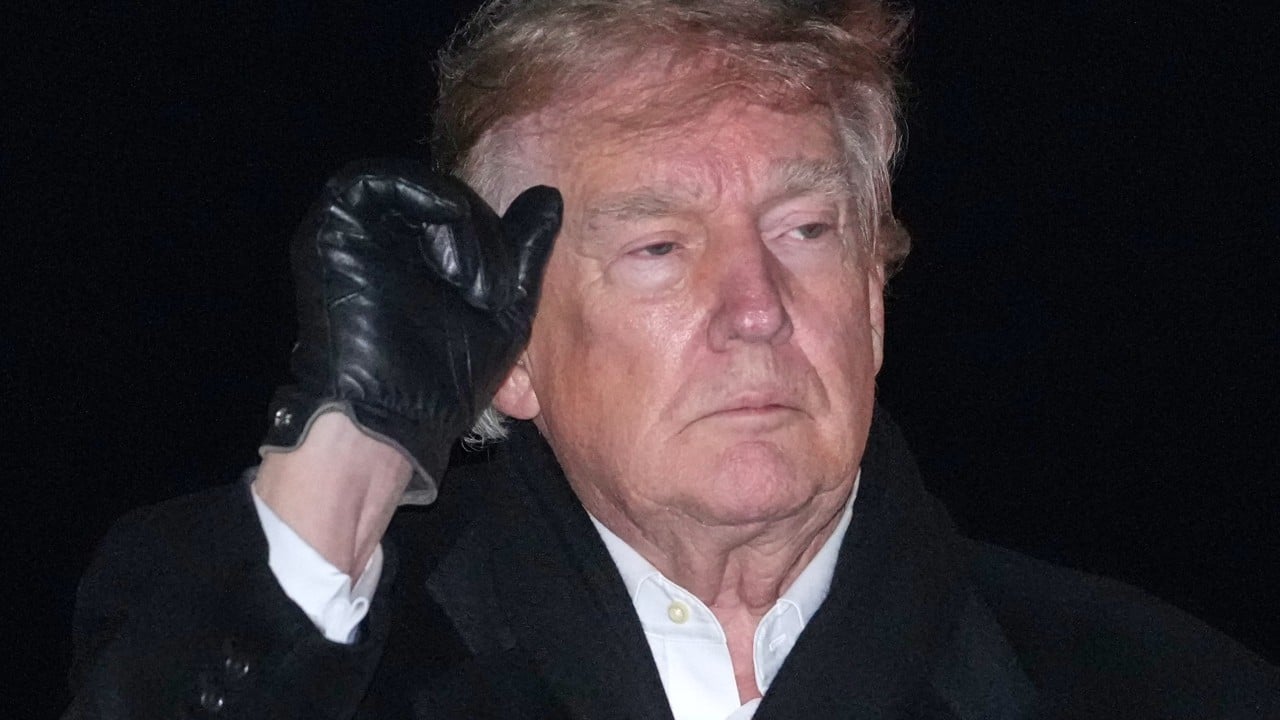
Donald Trump wants everyone to think he is keeping all options on the table regarding Iran, but his latest statements reveal a very different strategy.
If you've been following the escalation across West Asia this month, you probably expected an immediate military response following the latest round of strikes and counter-threats. Instead, Trump explicitly stated that he is in "no rush" to make a decision on launching new military strikes against Tehran, signaling that he is pushing any major tactical moves into early 2027. Also making headlines in this space: What Life Looks Like After The Tanks Leave A Shattered Gaza Camp.
That timeline shift isn't random. It's a calculated attempt to manage spiraling domestic political pressures, an astronomical war bill, and an increasingly vocal public backlash.
Here is what is actually driving the decision to stall, what the headlines are missing, and how the administration is resetting its Middle East strategy for 2027. Additional insights regarding the matter are covered by NBC News.
The 2027 Timeline Isn't a Hesitation, It's a Reset
When asked about launching fresh air raids against Iranian assets, Trump downplayed immediate necessity. "We will see what happens after the beginning of the year," he remarked in interviews this week, pointing directly to 2027 as the next real decision window.
Many foreign policy commentators framed this as classic political indecision. It isn't. Pushing the timetable to 2027 serves three distinct operational purposes for the White House:
- Rebuilding Strained Munition Inventories: Months of joint operations with Israel have heavily taxed precision-guided munitions and naval defense interceptors. The Pentagon needs time to restock.
- Navigating the Congressional Transition: With the midterm elections wrapped up and a new Congress taking office in January 2027, the administration is maneuvering around fierce War Powers debates currently stalling Capitol Hill.
- Absorbing Shock on Energy Markets: Global shipping lines and Gulf energy hubs have taken repeated hits. Delaying new offensive campaigns allows regional oil flows to temporarily stabilize.
Pushing Back Against Washington's Panic over "Dirty Bombs"
Media outlets flared with alarm following claims that Tehran was actively plotting to detonate a nuclear-adjacent "dirty bomb" in Washington. Trump surprisingly threw cold water on the panic.
"I don't think so," he said when asked if Washington residents should prepare for such an attack, flatly downplaying the imminent threat while Tehran dismissed the allegations as baseless scare tactics designed to justify further intervention.
However, Trump pivoted the conversation to a different threat vector: chemical and biological capabilities. He claimed intelligence points toward Iranian research into non-nuclear weapons, largely because intense sanctions and earlier bombing campaigns crippled their primary nuclear pathways.
By shifting the narrative away from immediate nuclear panic toward broad biological deterrence, the White House creates a flexible pretense for action whenever it chooses to re-engage in 2027.
The Hidden Cost Triggering the Pause
Behind the tough rhetoric lies a staggering operational cost that Washington cannot ignore indefinitely.
Pentagon disclosures show that direct U.S. military engagement in the conflict has surpassed $48.3 billion. That figure covers direct operational expenses and weapon replacements—it doesn't even account for billions more in damage sustained by regional installations or the logistical strain of maintaining three aircraft carrier strike groups in the region simultaneously.
Recent polling shows American public approval for the conflict dropping to roughly 31%. While Senate Republicans recently blocked a formal War Powers resolution targeting the administration, the political appetite for a prolonged, multi-billion-dollar war of attrition is evaporating rapidly.
What Happens Next: 3 Steps to Track Between Now and January 2027
Don't mistake the current pause for a peace treaty. The standoff is simply shifting from active bombardment to strategic containment. Here is what to monitor over the next six weeks:
- Track CENTCOM Munition Resupply Contracts: Watch defense procurement announcements through December. If the Pentagon accelerates emergency spending packages, it signals preparation for a renewed strike phase early next year.
- Monitor Subsea and Infrastructure Security: Iranian military commanders have explicitly listed European staging bases and subsea telecommunications cables as potential target areas if struck again. Watch for increased NATO naval patrols in international waters.
- Watch Congressional War Powers Legislation: Pay close attention to how the incoming Congress structures the early 2027 defense authorization bills. Any added oversight clauses will dictate how much freedom the executive branch retains to order unapproved strikes.
I'll be keeping a close eye on signed-in user updates and context feeds as we move toward the January deadline. If you want to keep track of these geopolitical shifts without losing your place, signing in to your Google Account is an easy way to save your conversation history and pick up right where we left off.
The next campaign won't be decided by surprise announcements—it will be signaled by logistical preparation. Keep your eyes on the supply lines.