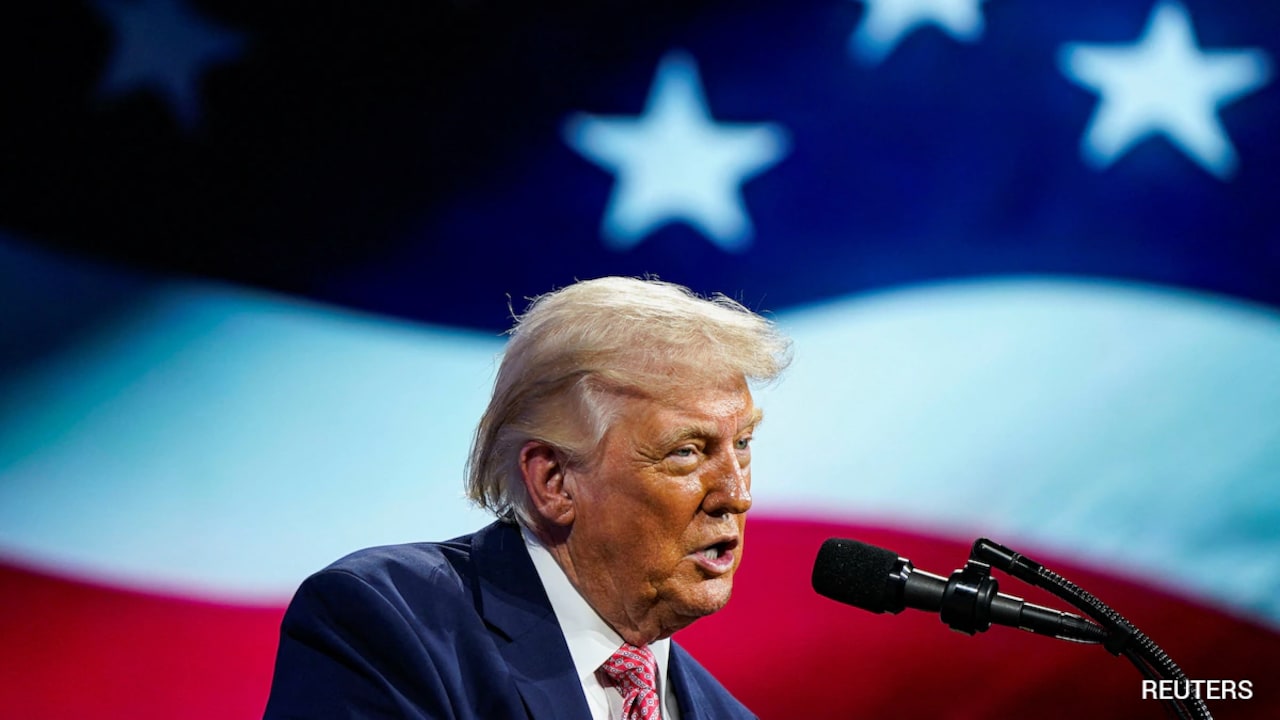
When Donald Trump sits down in the Oval Office to weigh the next move in the ongoing Middle East crisis, he isn't just looking at military maps. He's staring at a classic strategic trap. Months of a US-led bombing campaign and naval blockades haven't forced Tehran to surrender its regional ambitions or permanently reopen the vital Strait of Hormuz to unfettered commercial traffic. Instead of a quick, clean victory, the White House has stumbled into a grinding war of attrition.
If you are trying to make sense of where this conflict heads next, look past the daily press briefings. Washington basically faces three stark paths: escalate the military campaign, try to force a diplomatic breakthrough, or walk away and absorb the geopolitical fallout. None of these choices are clean, and every single one carries massive political risks ahead of domestic midterm elections.
The Escalation Trap: Hitting Infrastructure and Inviting Wider Chaos
The first option on the table involves turning up the heat. Pentagon planners and Central Command have repeatedly briefed the administration on aggressive military surges. We are talking about expanding air campaigns beyond radar sites and coastal defenses to target critical civilian infrastructure, including power plants and transit bridges.
Advocates for this approach argue that Tehran only responds to raw power. Regional partners like Israel have privately pushed for harder blows, arguing that the regime hasn't bled enough to change course.
Yet escalating comes with severe downsides. International law experts point out that systematic strikes on power grids and civilian infrastructure frequently cross lines into war crimes. More practically, Iran has proven resilient, using cheap asymmetric tools—like drone swarms, mines, and agile attack boats—to keep the Strait of Hormuz effectively choked off despite heavy naval patrols. Pushing the conflict into an all-out air war risks sending global oil prices skyrocketing and alienating weary voters at home who want foreign entaglements to end.
The Diplomatic Gamble: Chasing a Last-Chance Deal
Negotiations represent the second path, though they resemble a high-stakes poker game played without cards. Trump has repeatedly insisted that new talks are imminent or that Iranian officials are quietly looking for a way out. Omani intermediaries have floated temporary corridors to get commercial shipping moving through the strait, and temporary ceasefires have been floated and broken with dizzying speed.
The core problem with diplomacy right now is a total deficit of trust. Tehran flatly denies that formal talks with Washington are happening, preferring to channel discussions through regional third parties like Oman while publicly rejecting American demands over its nuclear program.
Hardliners inside Iran view any capitulation to US pressure as fatal, while hawkish US lawmakers accuse the administration of showing weakness whenever an interim agreement is floated. Crafting a sustainable treaty requires concessions on sanctions relief and uranium stockpiles that neither side is currently willing to make.
The Exit Dilemma: Pulling Back Without Looking Weak
Walking away completely is the final, most dangerous option for a president who built his brand on projecting unyielding strength. Disengaging entirely would mean halting offensive operations, lifting the naval blockade, and leaving regional allies to manage the security vacuum.
While an exit would satisfy domestic anti-war sentiment and free up political bandwidth, the reputational cost is steep. Critics would instantly frame a unilateral withdrawal as a historic failure that emboldened a hostile regime and undermined America's credibility across the Middle East. Saudi Arabia and other Gulf states have given mixed signals, urging caution on one hand while worrying about long-term containment. Pulling the plug too abruptly risks inviting renewed aggression the moment US carrier groups steam over the horizon.
What Comes Next
Trump is caught between his instinct to project overwhelming force and the gritty reality that modern asymmetric conflicts do not yield to quick fixes. With fresh ultimatums being issued and intermediaries scrambling to secure an agreement on shipping lanes, the administration is cycling back to a familiar playbook: threaten massive escalation to force a reluctant opponent back to the negotiating table.
Keep an eye on how maritime traffic through the gulf handles the latest round of talks. If the shipping lanes remain blocked and diplomacy stalls yet again, the pressure to choose between a wider military offensive or a messy retreat will reach a boiling point.
Watch Massive escalation or back to talks? The four options Trump has left on Iran to see a detailed breakdown of the strategic choices facing the White House as the regional crisis deepens.
http://googleusercontent.com/youtube_content/1