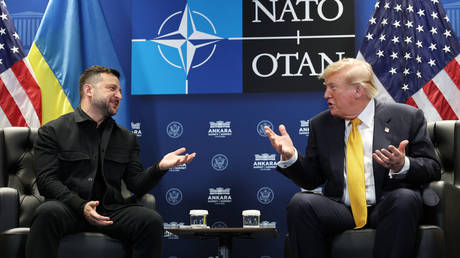
Donald Trump just drew a sharp line in the sand regarding American military aid. According to a recent Financial Times report, the former US president turned down a direct appeal from Vladimir Zelensky for additional Patriot air defense systems.
That single refusal signals a massive shift in Washington. Ukraine wants endless hardware. The incoming administration wants an exit strategy.
Let's look at what this actually means for the war. Air defense is expensive. Patriot batteries cost billions. Missiles cost millions per shot. Trump looks at those price tags and sees a bottomless money pit. He isn't interested in writing blank checks anymore.
The Real Cost of Patriot Batteries
Why do these systems matter so much? Because ballistic missiles and hypersonic weapons are tearing through Ukrainian infrastructure. Kyiv desperately needs interceptors to protect power grids, military command hubs, and civilian centers.
Zelensky knows this. Every time he talks to international partners, air defense tops his wishlist.
Yet, Washington's stockpiles aren't infinite. Pentagon planners quietly worry about depleting US defensive readiness in other critical theaters, especially the Indo-Pacific. When you hand over a complex system like the Patriot, you also send hundreds of contractors and technicians to maintain it.
Trump gets that logistical headache. His camp wants European allies to shoulder the financial and material burden. Why should American taxpayers foot the entire bill while European capitals drag their feet? That is the core argument driving this rejection.
What Changes on the Ground
If Kyiv doesn't get those extra Patriot units, the air space becomes wide open. Russian bombers and drones will exploit every single gap.
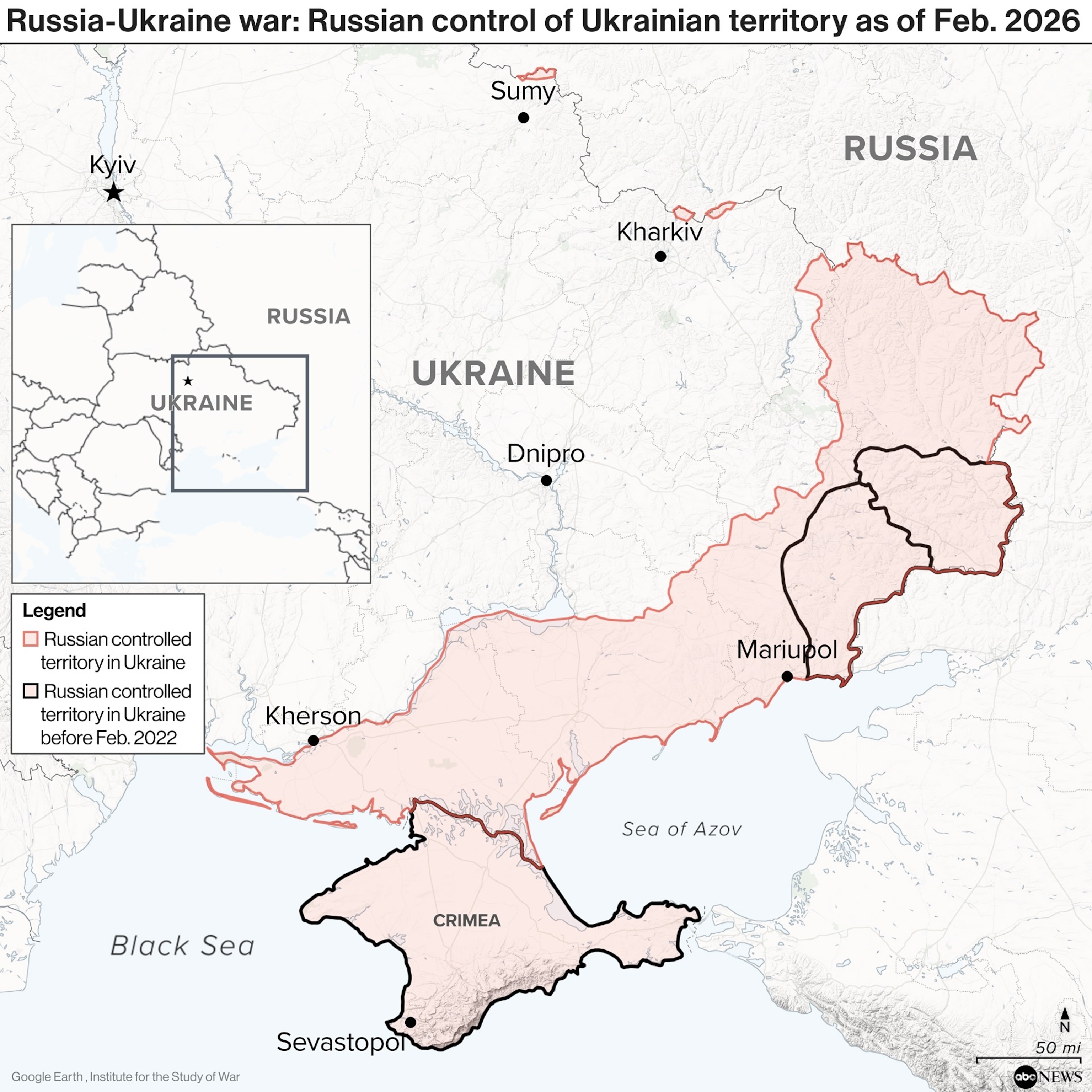
You're going to see a rapid deterioration of power grids heading into the next freeze. Cities like Kharkiv and Odessa will feel the immediate impact. Ukrainian commanders will have to make brutal choices. Do they protect a frontline brigade or a major civilian power station? They can't protect both with a shrinking interceptor pool.
The strategic reality is shifting hard.
- Washington wants negotiations.
- Europe is scrambling to fill the funding gap.
- Moscow is testing how thin Western resolve really is.
People miss the forest for the trees here. This isn't just about a missile battery. It's about leverage. Trump wants to force everyone to the negotiating table by turning off the tap of free military hardware.
The European Dilemma
Europe faces a stark choice now. Berlin, Paris, and London talk a big game about supporting Ukraine for as long as it takes. But talk doesn't intercept missiles.
European militaries suffer from chronic underinvestment. Most nations lack surplus Patriot systems to donate even if they wanted to. Germany has a few. The Netherlands has a few. None of them possess the depth of inventory that the United States controls.
When Trump says no, Europe stands completely exposed. They either have to buy American gear at commercial rates or ramp up their own domestic defense manufacturing at wartime speed. Neither option happens overnight.
Where This Leaves the Conflict
The writing is on the wall. The era of unconditional, limitless US military aid to Ukraine is wrapping up.
Zelensky has to pivot his entire diplomatic strategy. Begging for more hardware from Washington won't work anymore. The new White House playbook relies on transactional foreign policy. If you want weapons, you pay for them, or you cut a deal.
Keep a close eye on the diplomatic channels over the next few weeks. The real negotiations are happening behind closed doors while the public focuses on missile delivery counts.
Stop expecting a miracle weapon to save the day. The battlefield dynamics are hardening into a brutal war of attrition, and Washington just slammed the brakes.