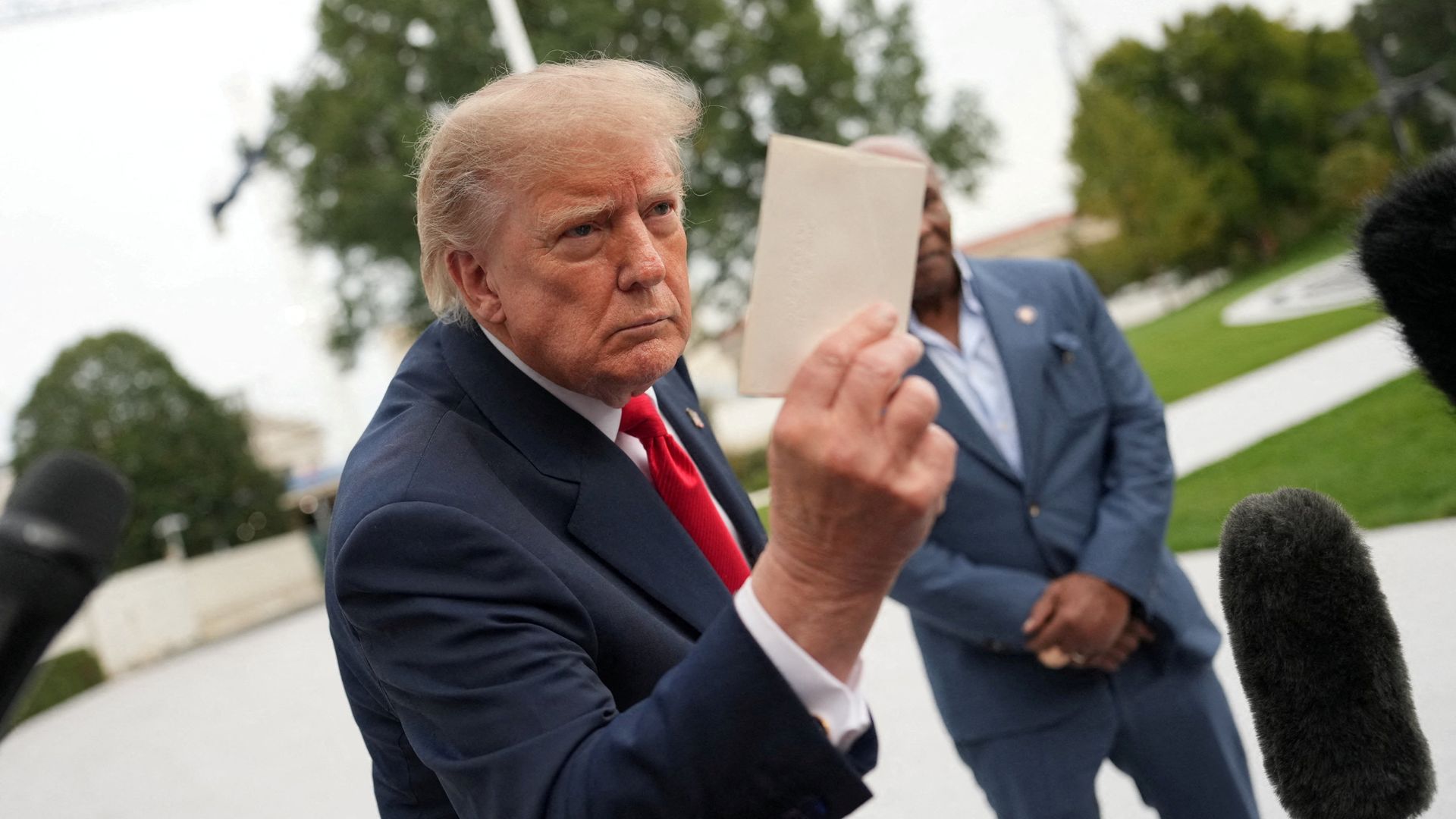
Donald Trump didn't hold back. Speaking to supporters in Syracuse, New York, he lashed out at the Norwegian Nobel Committee, declaring that passing him over for the Nobel Peace Prize leaves an indelible stain on Norway.
The anger flared up hours after the committee announced this year's laureate: Navi Pillay, the South African human rights lawyer and former International Criminal Court judge. Trump dismissed Pillay as a mystery figure nobody has ever heard of, framing the committee's choice as a politically motivated snub orchestrated by radical ideologues.
You see, the frustration isn't new. Every single year of his political career, Trump has made his expectations crystal clear. He genuinely believes his foreign policy record outshines traditional diplomats, pointing to historic agreements and conflict prevention efforts during his time in the White House.
During his rally tirade, Trump rattled off a list of international disputes he claims to have solved or prevented. He pointed to averted conflicts involving North and South Korea, Japan, and Taiwan, though he provided zero evidence to back up those claims. He also promised to resolve ongoing military flashpoints involving Russia, Ukraine, and Iran in record time.
"We will not forget, Norway," he warned the crowd. He argued that the award has been permanently discredited by individuals who are anti-democracy and enemies of civilization.
Navi Pillay, meanwhile, reacted to the news with a touch of humor while speaking from Nuremberg’s historic Palace of Justice in Germany. She initially joked that the announcement must be a joke before quipping to her audience that she might share the prize with Trump if they clapped a bit harder. Pillay's selection by the committee follows her extensive career in international jurisprudence, including her oversight of a United Nations commission report examining the conflict in Gaza.
There is a fundamental disconnect here that often gets lost in the noise. The Norwegian Nobel Committee operates as an entirely independent, autonomous panel. Norwegian government officials have repeatedly pointed out that they have zero control over who wins the prize, even though the ceremony takes place in Oslo. Blaming the nation of Norway for an autonomous committee's decision is factually incorrect, but it makes for powerful political theater.
Trump's grievances highlight a recurring clash between traditional international institutions and populist leaders who view global honors through a lens of personal vindication. While supporters view his foreign policy approach as unconventional and effective, critics point out that the Nobel Committee's criteria prioritize long-term multilateral institutions and human rights advocacy—areas where Trump frequently locks horns with the global establishment.
The dust won't settle anytime soon. As long as international prizes go to figures like Pillay rather than political leaders who claim credit for brokering peace deals, this friction will remain a fixture of modern political discourse.