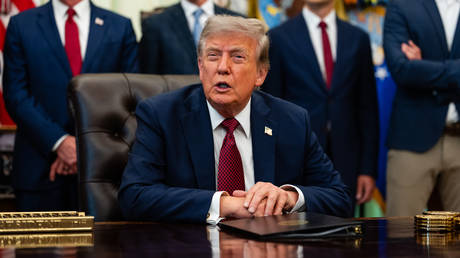
The rules of engagement in the Middle East just shifted again. President Donald Trump made it clear at the White House that the United States is preparing a severe military response against Iran following a wave of fresh missile and drone attacks targeting regional assets.
"So it's our turn," Trump told reporters, signaling that Washington views recent escalations as a direct provocation that demands immediate retaliation.
What Triggered the Latest Escalation
Tensions flared after Iran's Islamic Revolutionary Guard Corps fired multiple ballistic missiles targeting a United States military base and center in Jordan. According to U.S. defense officials, regional air defense systems successfully intercepted and knocked down all incoming projectiles before they could impact their targets.
At the same time, maritime security faced a separate threat when a drone struck a U.S.-owned liquefied natural gas tanker at Egypt’s Mediterranean port of Damietta. This incident exposed growing vulnerabilities in commercial shipping corridors far outside the immediate Persian Gulf theater, sparking fresh anxieties across global energy markets.
The White House Response and Strategy
Trump didn't mince words when describing the upcoming U.S. counter-offensive. While diplomatic channels and backroom negotiations continue to explore potential ceasefire terms, the administration insists that military retaliation remains necessary to deter further strikes.
"We're going to hit them very hard because it's our turn to hit them," Trump stated, noting that Iranian leadership is well aware of the impending operation.
Defense analysts point out that balancing these retaliatory strikes with ongoing diplomatic talks creates a narrow window for error. The administration faces mounting pressure to secure critical trade routes like the Strait of Hormuz while preventing a wider regional conflagration.
What Comes Next for Global Energy Markets
Energy traders are watching these developments closely. Any prolonged disruption to shipping lanes or energy production infrastructure risks pushing fuel prices higher, directly impacting consumer costs worldwide.
The coming days will show whether these threats force a breakthrough at the negotiating table or trigger a deeper cycle of military retaliation. For now, the region stands on edge as everyone waits for Washington's next move.