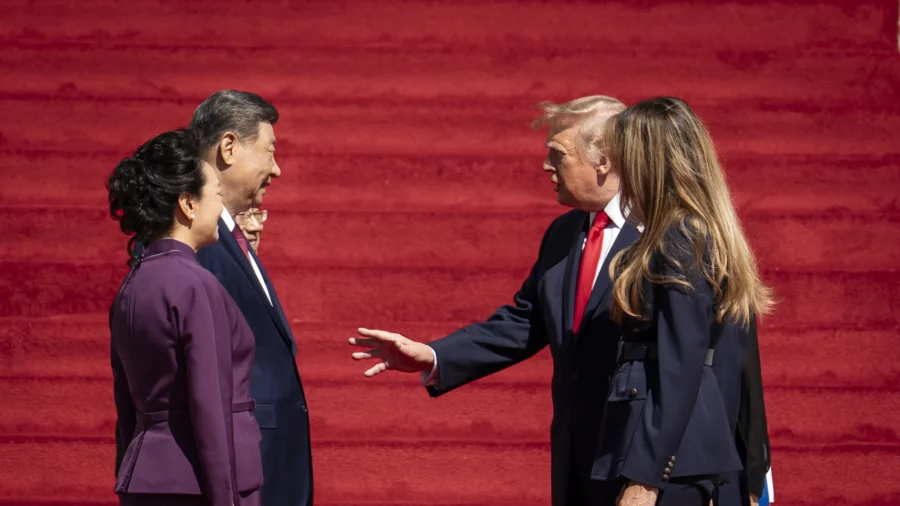
President Donald Trump just slammed the door on Tehran's latest peace overture.
Reports indicate the White House has rejected a proposed seven-day ceasefire plan put forward by Iran through Qatari mediators. The deal would have reopened the crucial Strait of Hormuz and restarted stalled nuclear negotiations. Instead of taking the bait, Trump told aides he expects US military bombing runs against Iranian targets to resume once the November midterm elections wrap up.
If you are wondering how we got back to the brink so quickly after the UN General Assembly speeches, you are not alone. The friction boils down to conflicting timelines, unyielding naval blockades, and a high-stakes domestic political calendar in Washington.
Inside Iran Seven Day Plan
Iranian Foreign Minister Abbas Araghchi laid out the framework in New York. The proposal looked straightforward on paper. Over a seven-day window, phased steps would dismantle the active flashpoint.
The mechanics of the plan required specific actions from Washington.
- The United States would lift its naval blockade on Iranian ports.
- Sanctions on Iranian oil sales would see a waiver.
- A comprehensive ceasefire would include Lebanon.
- In return, normal maritime passage through the Strait of Hormuz would resume by day six.
- On day seven, formal talks on Iran's nuclear file would restart.
Tehran insisted these steps mirrored the memorandum of understanding reached between the two sides back in June. Araghchi framed the choice squarely on the desk of the Oval Office, warning that Iran would not surrender its sovereign rights under sustained economic pressure.
Why Washington Said No
Trump is playing a completely different game. Behind closed doors, the administration remains deeply skeptical that Iran will ever fully cave to permanent nuclear curbs without maximum sustained pressure.
Washington refuses to lift the naval blockade. US strategists believe that choking off Iranian oil revenue and keeping economic screws tight will eventually force Tehran to surrender on terms heavily favorable to the US and its Gulf Arab allies. Furthermore, the US military has prioritized keeping oil tankers moving through alternative protective escorts in the region, lowering the immediate urgency of striking a permanent maritime deal.
Trump himself made his stance clear during his UN General Assembly address. He stated that domestic electoral politics would not dictate his handling of the Islamic Republic, even while urging Republican candidates to campaign hard on national security. Privately, he has signaled to his national security team that a fresh round of bombing is likely on the table as soon as the midterms pass.
What Most People Miss About the Strait of Hormuz Standoff
Most commentary treats this conflict as a simple matter of choosing between war and peace. It is not. It's a grueling test of attrition.
The US military is walking a tightrope. Officials note that Washington is actually reluctant to dive back into a massive, prolonged air campaign because the Pentagon wants to preserve dwindling munitions for other potential global contingencies. That means any future strikes will likely be calibrated, high-impact operations rather than an open-ended invasion.
Meanwhile, Iranian leadership faces its own intense domestic pressure. Iranian President Masoud Pezeshkian has blamed Washington for sabotaging the framework agreed upon earlier this year, pointing out that strikes happened while channels were supposedly open. Tehran wants a deal before November to stave off a worsening economic crunch, but hardliners refuse to ship out enriched uranium reserves or surrender core nuclear infrastructure.
What Happens After the Midterms
The diplomatic track has not completely flatlined. Backchannel talks via Qatar continue to churn behind the scenes, addressing minor security parameters and nuclear guardrails.
Do not expect a breakthrough before voters head to the polls. Trump's refusal of the seven-day framework clears the path for a tense October. Once the midterm results are certified in November, the diplomatic freeze will likely shatter. If backchannels fail to produce a sudden miracle, expect the air campaign to flare up again right where it left off.