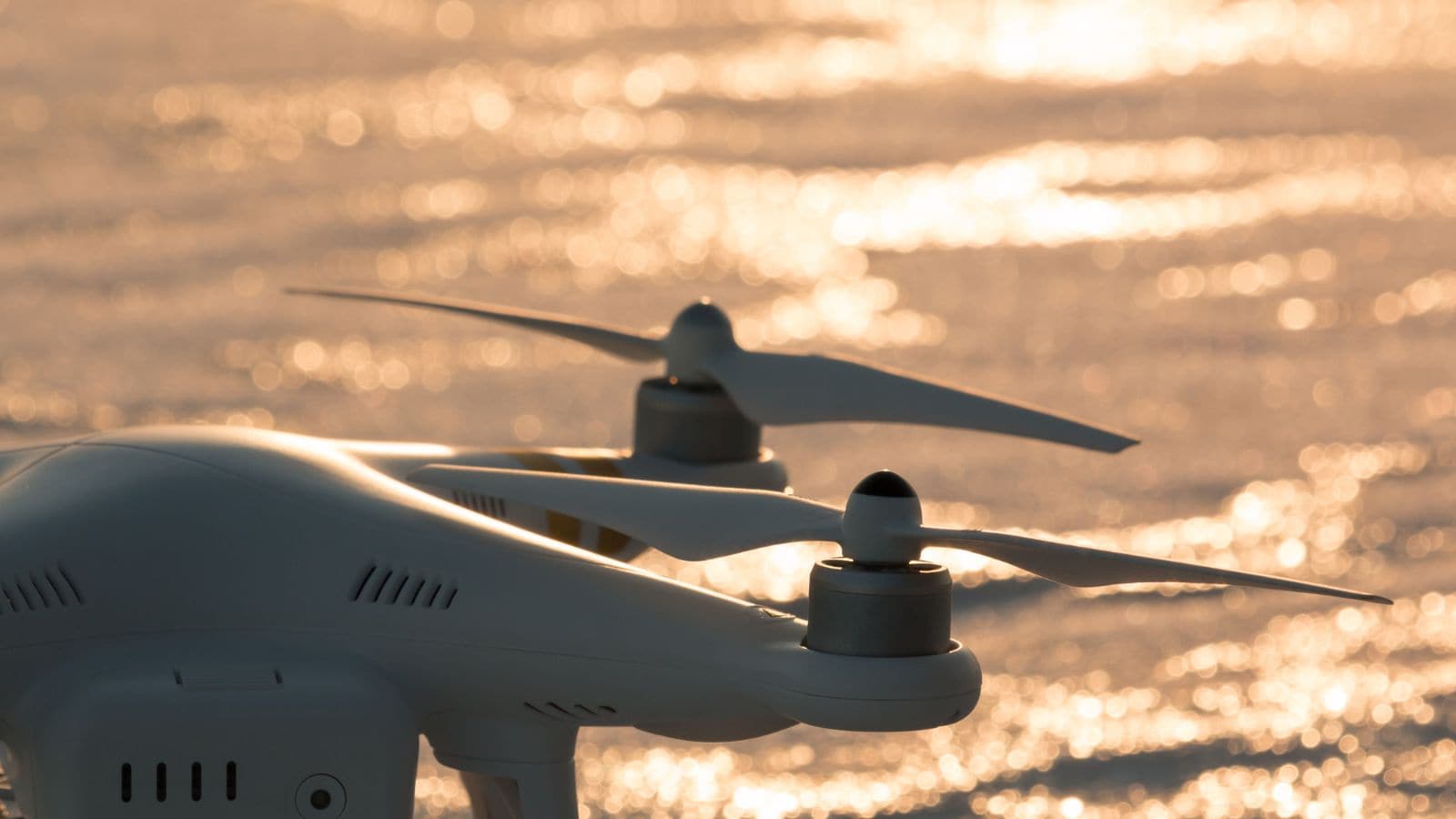
Washington just drew a very hard line in the sky. President Donald Trump has officially announced a massive 100 percent tariff on specific imported unmanned aerial systems and critical components, aiming straight at the heart of Beijing's dominance in the global drone market. If you thought trade tensions were cooling down, think again. This move targets the commercial and industrial hardware that has quietly dominated American skies for years.
Here is what you actually need to know about the policy shift, why it happened right now, and what it means for everyone from enterprise operators to weekend hobbyists.
The Breakdown of the New Drone Tariffs
Not all flying hardware is treated equally under the new White House proclamation. The administration split the rules based on weight, capability, and potential security risks.
- The 100 Percent Bracket: Heavy-duty machines with a takeoff weight exceeding 25 kilograms—roughly 55 pounds—face the full 100 percent duty rate. This includes systems equipped with thermal imaging cameras, specialized docking stations, and other advanced data-gathering capabilities.
- The 25 Percent Bracket: Smaller commercial platforms and consumer-grade units face a lighter 25 percent tariff. While hobbyists aren't completely ignored, the policy clearly spares backyard flyers compared to heavy industrial operators.
- The Timeline: Most of these new duties are scheduled to take effect on September 3, giving supply chains a very narrow window to adjust. Other components face a staggered 180-day rollout, depending on federal approvals and potential exemptions.
Why China Is the Primary Target
You cannot talk about modern unmanned aerial technology without talking about DJI. Founded in 2006, the Chinese tech giant captured more than two-thirds of the global drone market. American police departments, real estate firms, search-and-rescue teams, and infrastructure inspectors bought these machines by the tens of thousands because they offered unmatched performance at an unbeatable price point.
Washington views that convenience as a massive vulnerability. Federal regulators and security agencies have argued for years that foreign-made platforms pose severe risks regarding unauthorized surveillance, data exfiltration, and sensitive infrastructure mapping. The Federal Communications Commission previously warned that these systems are inherently dual-use. They work fine for filming a bridge inspection, but they can easily function as paramilitary sensors or reconnaissance tools.
The ongoing war in Ukraine erased any remaining doubts. Standard commercial hardware modified on frontlines around the world proved that cheap quadcopters are frontline weapons. Letting a strategic adversary control the supply chain for that kind of technology was never going to fly long-term.
The Push for Domestic Manufacturing
The white paper accompanying the proclamation makes one goal crystal clear: forcing domestic production. Commerce Secretary Howard Lutnick has been authorized to set up dedicated onshoring programs, offering incentives for companies willing to build new manufacturing facilities on U.S. soil.
Building a drone ecosystem from scratch isn't simple. Supply chains rely heavily on raw materials, specialized microchips, and rare components that currently flow out of Asia. Pushing 100 percent tariffs creates immediate pain for operators who depend on foreign parts, but the administration is betting that financial pressure will force local startups and established defense contractors to scale up fast.
Beijing has already begun pushing back. Recent export restrictions and retaliatory measures from China show that this economic chess match is escalating on multiple fronts. Earlier, the U.S. also targeted foreign-made humanoid and quadruped robots under similar national security justifications.
Expect severe supply crunches and higher hardware costs over the next few months as the market scrambles to find alternatives. If you rely on commercial aerial platforms for your business, you need to audit your inventory right now and look closely at NDAA-compliant domestic alternatives before the September deadlines hit.
China Condemns US For Imposing Extra 100% Tariff From Nov 1 | Trump | Xi Jinping | N18G
This video provides additional context on China's official diplomatic response and economic pushback regarding recent U.S. tariff hikes.
http://googleusercontent.com/youtube_content/1