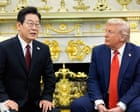
Donald Trump just put Oman in his crosshairs, and the stakes couldn't be higher. In a blunt interview with Fox News, the President didn't mince words, threatening to "bomb the s**t" out of Oman if the Gulf nation gets in the way of American objectives regarding the Strait of Hormuz.
This isn't just heated rhetoric. It’s a signal of deep frustration within the White House regarding how the Strait—a critical artery for roughly one-fifth of the world's traded oil—is being managed. As the 60-day window for U.S.-Iran peace talks expired this week without a breakthrough, Washington is watching Oman’s back-channel negotiations with Tehran with extreme skepticism. Don't forget to check out our previous article on this related article.
The Friction Point in the Gulf
At the heart of the standoff is a proposed interim agreement between Iran and Oman. Iranian officials claim they’ve reached an understanding on a transit route through the Strait, which has been effectively blocked by Iran since the conflict escalated in February.
The U.S. government views this potential deal as a workaround that undermines its maximum pressure campaign. Specifically, Washington is unhappy with two things: To read more about the context of this, NBC News provides an in-depth summary.
- Joint management of the exit route by Iran and Oman.
- The collection of "voluntary fees" from vessels, which the U.S. argues gives Iran a way to circumvent sanctions or normalize its control over the waterway.
From the American perspective, any deal that allows Iran to manage shipping without first meeting U.S. conditions—such as lifting blockades and addressing broader security concerns—is a non-starter. Trump’s administration has reportedly conveyed this opposition to Muscat directly. They believe Oman hasn’t been "tough enough" in its dealings with Tehran, essentially acting as an enabler rather than a neutral mediator.
Why the Strait Matters
The Strait of Hormuz is the world’s most important oil chokepoint. Even before the current war began, its closure threatened global energy stability. When Iran moved to block it in response to attacks on February 28, it sent shockwaves through energy markets.
Trump’s recent social media posts, including one depicting the Strait as U.S. territory, show he is playing a high-stakes game of psychological warfare. While Iranian officials have publicly dismissed these claims as "delusions," the reality on the water remains tense. The U.S. naval blockade is still in effect, and the administration has shown zero interest in backing down.
What Happens Next
Don't expect a quick resolution. The U.S. has made it clear that there are no scheduled talks with Iran, and the expiration of the 60-day negotiating period hasn't triggered any change in the blockade status.
Trump is betting that he can force Iran to "put up the white flag of surrender" through continued economic and military pressure. By threatening Oman—a country often seen as a reliable regional broker—he is signaling to all Gulf states that neutrality is no longer an option. You’re either aligned with the U.S. blockade, or you’re in the way.
For global energy markets, this means volatility is the new normal. Watch for any official joint statement from Tehran and Muscat; if they finalize their transit package, it will be the next major flashpoint. If the U.S. feels its maritime strategy is being bypassed, the rhetoric from the Oval Office could quickly turn into real-world consequences.
Keep a close eye on the maritime monitoring agencies. If regional officials keep reporting U.S. pressure on Muscat, the risk of a miscalculation in the Strait grows significantly. The diplomacy has stalled, and the tension is only getting louder.