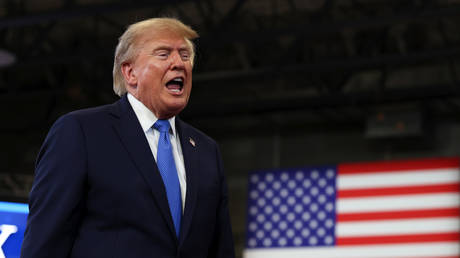
Trade talks between Washington and Ottawa just blew up, and car buyers are going to pay the price. President Donald Trump announced plans to slam a heavy 50% tariff on all Canadian cars, trucks, and automotive parts starting January 1, 2027.
If you are shopping for a new vehicle or tracking auto stocks, this escalation shatters decades of integrated cross-border manufacturing. It is messy. It is aggressive. And it moves fast.
What Actually Happened at the Negotiating Table
Last-minute trade negotiations collapsed over deep disagreements regarding vehicle classifications, steel exemptions, and market access. The proposed deal on the table would have lowered top-line rates, but talks imploded late last week.
Instead of cooling off, Trump took to social media to broadcast a hardline stance. He stated plainly that Canada will no longer get special treatment, writing that manufacturing must happen domestically to avoid penalties.
- Current auto tariffs sit at 25% for non-U.S. imports.
- Steel imports already face a 50% sectoral levy.
- The proposed 2027 jump targets all light and heavy trucks, passenger cars, and individual parts.
Trade attorney Barry Appleton points out a fundamental misunderstanding most consumers make. Tariffs do not send a bill directly to Ottawa's treasury. The invoice lands on the desk of the American importer of record. Dealerships and domestic manufacturers bear the brunt first, meaning showroom price tags absorb the shock.
The Integrated Supply Chain Paradox
Modern auto manufacturing does not stop at international borders. A single vehicle component often crosses the U.S.-Canada border multiple times before final assembly.
Flavio Volpe, head of the Automotive Parts Manufacturers' Association, warns that slapping duties on parts halts assembly lines across Michigan, Ohio, and beyond. You cannot build a car in Detroit without parts forged in Ontario. When those components face a 50% tax, production costs skyrocket. Major automakers like Ford, General Motors, and Stellantis saw stock values slip immediately following the announcement.
How Canada is Responding
Ottawa is not backing down. Prime Minister Mark Carney characterized the broader trade tensions as a direct economic conflict, vowing swift countermeasures.
Canada plans to match U.S. levies dollar for dollar. Retaliatory tariffs target American steel, electronics, agricultural equipment, and dairy products. Provincial leaders are also stepping into the fray. Ontario Premier Doug Ford suggested that critical minerals and electricity exports could become leverage if the standoff deepens.
This tit-for-tat escalation signals a permanent shift in North American trade relations. The old rules established under past agreements are cracking under the weight of political pressure.
Practical Steps for Car Buyers and Investors
Uncertainty creates volatility. If you are navigating this market right now, keep a few realities in mind:
- Watch inventory levels closely. Dealerships holding current inventory may not raise prices immediately, but future model years face guaranteed markup pressures.
- Monitor upcoming political milestones. Industry insiders note that January 2027 sits well after the midterms, suggesting room for post-election posturing or compressed negotiation windows.
- Diversify portfolio watchlists. Auto sector equities will swing wildly based on whether these threats materialize into binding executive orders or serve as leverage for a revised pact.
The era of frictionless automotive trade across the northern border is over. Prepare your budget accordingly.