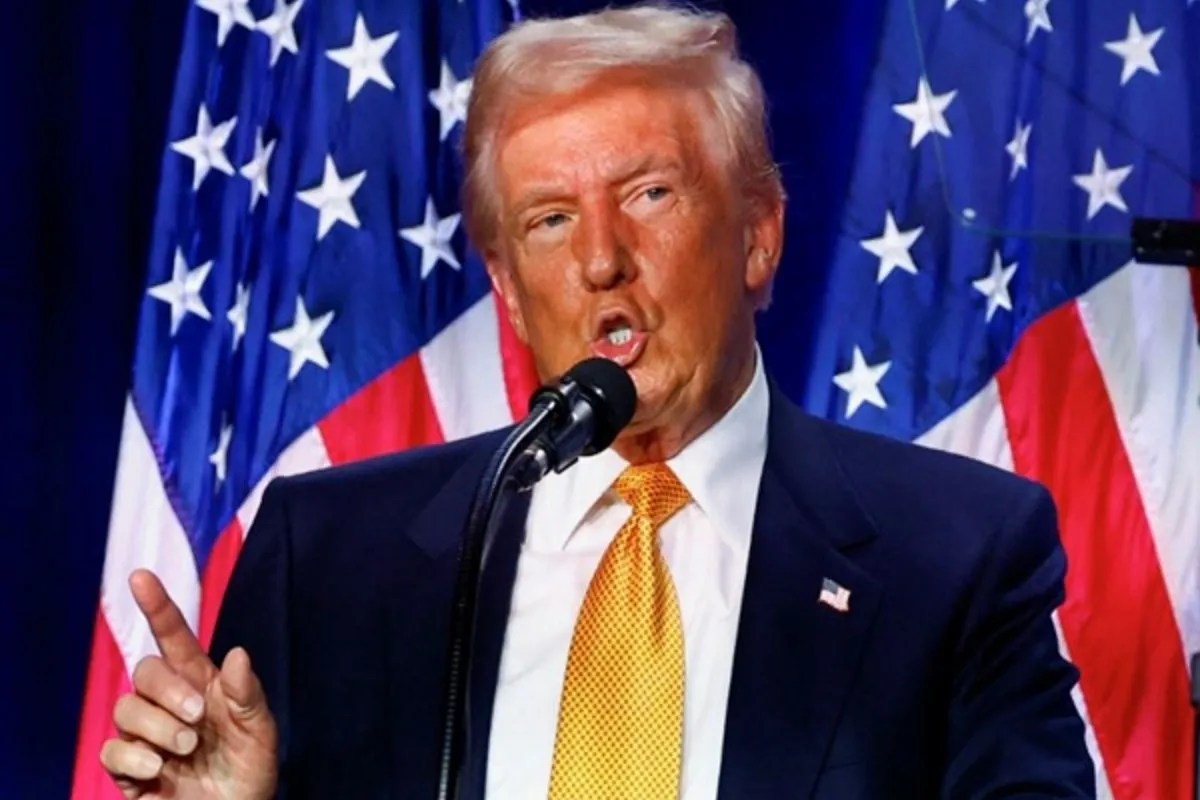
Trade policy in Washington rarely sees quiet moments. When the administration rolls out heavy tariffs or forces renegotiations, global markets shake and economic analysts scramble to rewrite their models. Donald Trump's trade record remains a lightning rod for debate. Critics point to broken supply chains and rising consumer costs. Proponents look at the same data and see long-overdue protection for American workers.
US trade representative Jamieson Greer recently stepped into the spotlight to defend that record. He took aim at lingering skepticism over protectionist measures and laid out the hard realities of modern international commerce. You have to understand what drives these defense strategies if you want to make sense of current US market movements.
The Reality Behind Modern US Tariffs
Tariffs are not new. Yet, the aggressive application of import taxes under Trump's strategy changed how global partners view American trade agreements. Traditional economists argued that tariffs would spark inflation and isolate the United States. Greer pushes back against this narrative. He points to negotiations with major partners like Canada and upcoming friction points with the UK as necessary measures to protect domestic manufacturing.
Take the ongoing disputes with Canada. Ottawa's retaliatory measures against US goods highlight the friction built into these policies. Greer views these reactions as proof that the strategy works. If foreign nations feel the pressure, the leverage is doing its job. You might disagree with the economic fallout, but the intent is crystal clear: force trading partners back to the bargaining table on terms favorable to American interests.
Friction Points with European Partners
The Atlantic alliance faces constant strain over trade barriers. British leaders expected smoother sailing post-Brexit. Instead, top US trade officials argue that the UK has failed to fully capitalize on its new economic independence. Greer pointed out specific roadblocks in UK negotiations during recent discussions.
Why does Washington care how London structures its deals? Because American trade negotiators want strict alignment on global standards, particularly regarding technology and manufacturing subsidies directed by foreign state actors. If you operate a business exporting goods across the Atlantic, these regulatory gaps create massive compliance headaches. Washington wants allies to match its defensive posture against non-market economies like China.
Looking Ahead to Beijing
The upcoming summit between Trump and Chinese leadership hangs heavy over international markets. Trade talks with Beijing have always been high-stakes poker. Greer and his team are banking on a hardline stance to extract structural concessions rather than temporary agricultural purchases.
Markets hate uncertainty. Yet, the current trade strategy treats uncertainty as a weapon. If you are trying to plan a long-term supply chain strategy right now, you cannot rely on past norms. Factories are moving out of single-source hubs into diversified regions. Near-shoring is no longer a buzzword; it is a defensive requirement for survival.
What This Means for Your Strategy
Ignore the political spin coming from both sides. Look at the concrete actions unfolding on the ground.
- Audit your supply chain for exposure to sudden tariff shifts.
- Diversify manufacturing or sourcing partners outside high-risk jurisdictions.
- Monitor bilateral trade talks between the US, Canada, and European allies closely.
The era of predictable, frictionless global trade is gone. Adjust your business model to fit the new rules before your competitors do.