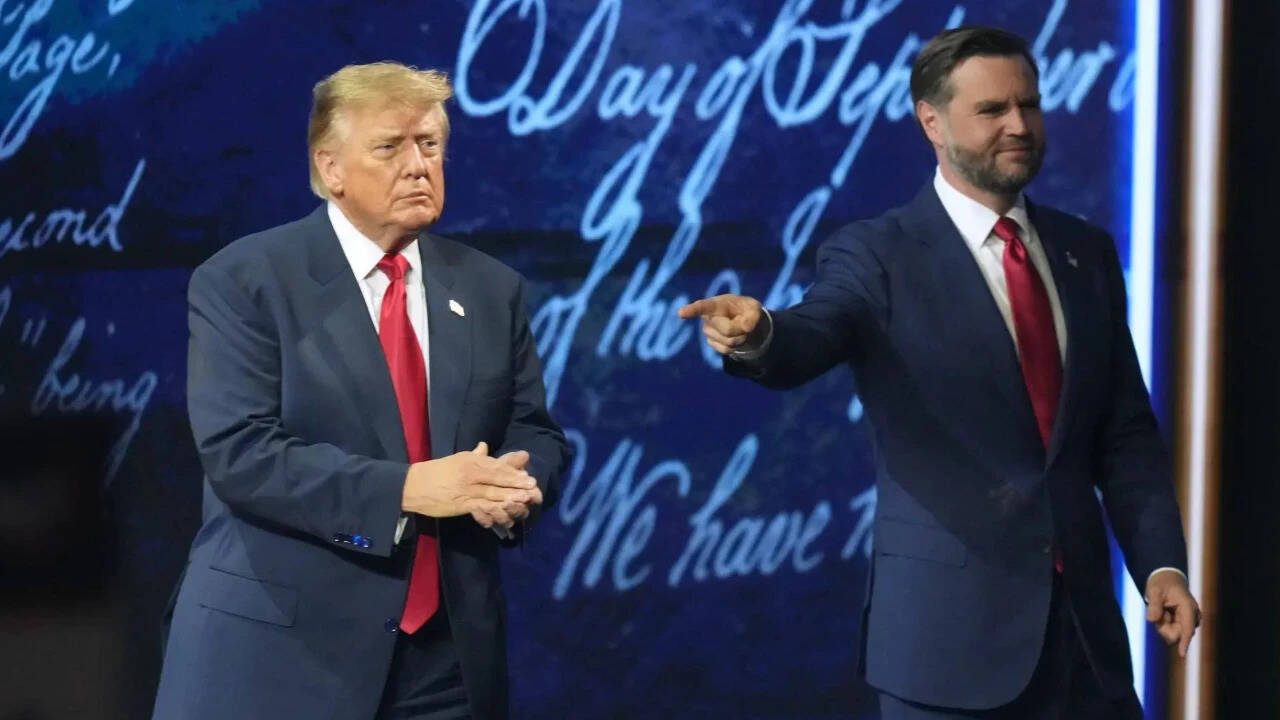
Foreign policy disagreements inside an administration rarely play out in real time. Donald Trump and JD Vance just gave everyone a masterclass in how it happens.
Trump didn't hesitate when asked about the foiled flydubai flight heading toward Tel Aviv with 170 passengers on board. He pointed the finger squarely at Tehran, claiming personal conviction that Iran orchestrated the terrifying cockpit struggle. Vance took the opposite approach, pumping the brakes and waiting for actual intelligence briefings before pointing any fingers.
The split reveals a fascinating disconnect between top leadership instincts and institutional caution.
What Actually Happened on the Flydubai Flight
The September 30 incident was a nightmare scenario. A flydubai flight traveling from Dubai to Tel Aviv nearly turned catastrophic when a co-pilot allegedly attacked pilot Smit Machchhar mid-air. Passengers and crew swarmed the cockpit, stopping the suspect before he could crash the plane or divert it disastrously.
The United Arab Emirates immediately launched an international investigation. Details trickled out showing the suspect had previously raised safety flags, prompting global aviation authorities to re-examine how foreign pilots get cleared for cockpit duties.
Enter the White House commentary, and the story instantly shifted from an aviation security crisis to a geopolitical showdown.
Trump Points the Finger Without Proof
Trump was blunt. When reporters asked if he believed Iran stood behind the cockpit attack, his answer was direct: "I do. I personally do."
He didn't offer classified evidence or a paper trail to back it up. That's classic Trump style—relying on gut instinct and broad geopolitical adversaries to frame a crisis. If there's an international disruption involving an Iranian rival or ally, Trump connects the dots long before federal investigators finish their paperwork.
It plays well to a base that expects immediate, hardline stances against hostile regimes. But it skips the tedious steps of verification.
Vance Defers to the Intelligence Apparatus
Vance took a completely different path. Asked about the same incident, the Vice President pulled back, refusing to validate Trump's rush to judgment.
"That's something that I defer to John Ratcliffe and some of the intelligence folks on," Vance told reporters, citing CIA leadership. "I don't want to get ahead of any announcements there, but it's certainly something that we're looking at. But I wouldn't say I've seen anything conclusively just yet."
That's the voice of caution. Vance chose institutional process over loud declarations, signaling that the White House isn't entirely unified on how to handle the attribution of the attack.
Tying Aviation Security to Immigration
Vance didn't stop at deferring on the intelligence front. He used the flydubai incident to hammer home a broader political point about foreign pilots operating inside the United States and vetting protocols globally.
"Anytime you have any person coming from outside the United States, you've got to be extra careful that that person is actually a good human being and is going to contribute to American society," Vance argued.
He explicitly invoked historical anxieties, drawing a direct line back to the security lapses of the 9/11 terrorist attacks. By questioning foreign pilot background checks, Vance pivoted the conversation from a Middle Eastern proxy conflict to domestic border and vetting security.
Why This White House Split Matters
Publicly divergent messaging between a president and vice president usually signals one of two things: chaotic disorganization or a deliberate division of labor.
Trump plays the hardliner, setting maximum pressure and airing suspicions loud and clear. Vance plays the disciplined operator, anchoring his statements to intelligence agencies while driving home the administration's core domestic security themes.
Whether Iran genuinely had a hand in the flydubai cockpit takeover remains unproven by public metrics. Intelligence agencies are still combing through flight data, financial records, and the suspect's background. Until the UAE-led probe or US intelligence releases a formal finding, the divide between Trump's gut feelings and Vance's wait-and-see approach remains the defining feature of the story.
Check your local aviation authority updates and federal travel safety advisories for real-time changes to cockpit vetting procedures.