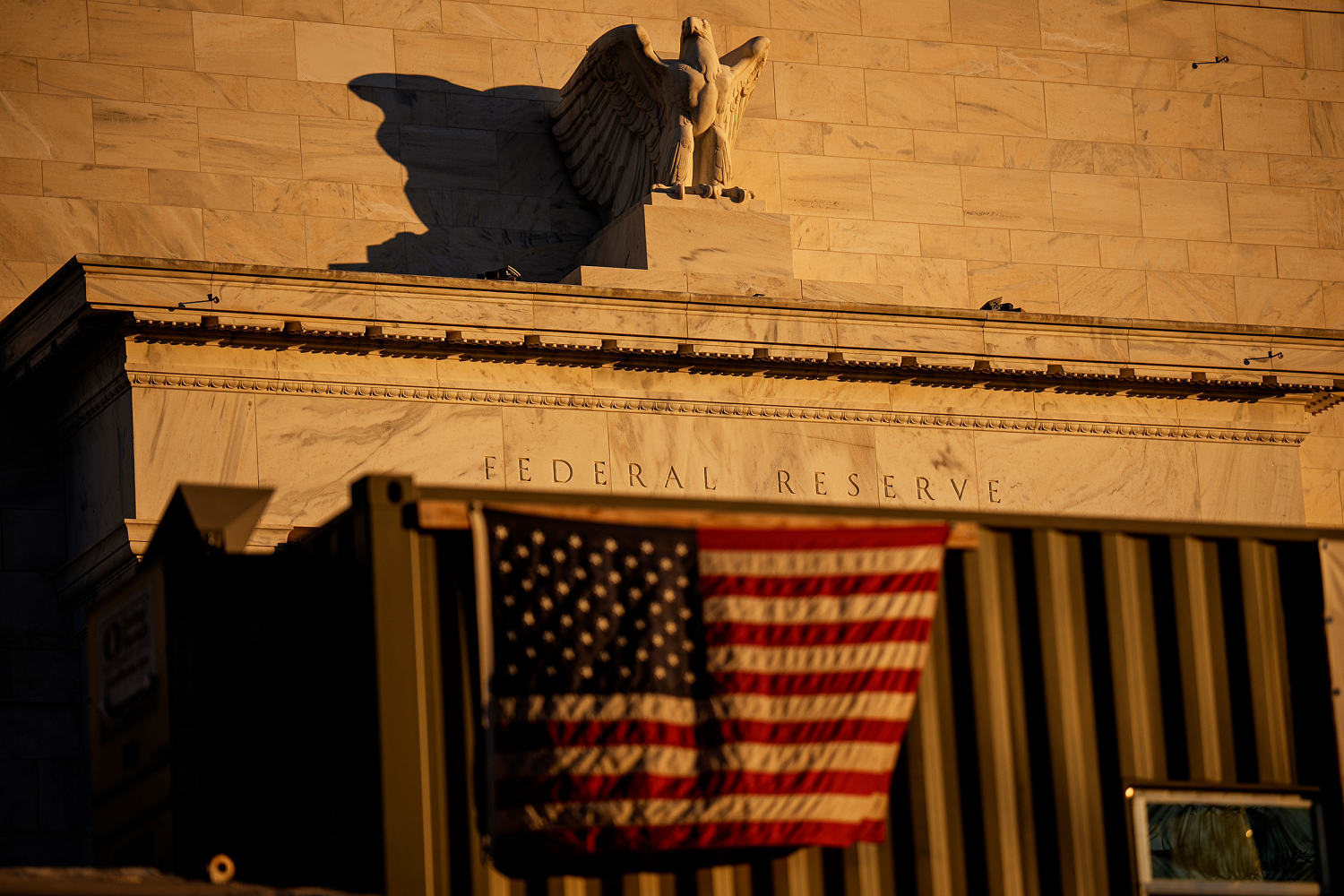
The Federal Reserve just threw a wrench into the economic machinery. Central bank officials raised the benchmark interest rate by 25 basis points, pushing it to a target range between 3.75 percent and 4 percent. This marks the first rate hike since July 2023, ending a prolonged plateau.
Predictably, Washington erupted. Donald Trump took straight to Truth Social to lambic rate-setters, demanding that US borrowing costs drop to 1 percent or lower. His reasoning? America holds the absolute best credit standing on Earth, and the economy doesn't need monetary brakes.
If you are trying to understand why this clash between the White House and the central bank matters for your wallet, you need to look past the political posturing and examine the raw math behind the headlines.
The Fed Defense Versus White House Pressure
Federal Reserve Chair Kevin Warsh defended the policy shift by pointing to stubborn inflation figures. Central bank officials argue that despite solid economic activity, consumer spending, and productivity growth, price pressures remain too high. The official stance is straightforward: until inflation clearly tracks down to the 2 percent target, monetary easing is off the table.
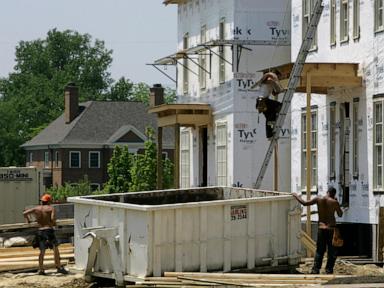
On the flip side, administration officials blasted the decision as unfortunate. Senior deputy press secretary Kush Desai argued that higher borrowing costs will choke economic progress, inflate mortgage payments, and stall corporate expansion.
Trump doubled down on his economic philosophy by tying monetary policy directly to international trade. He claimed that halting commerce with nations that run trade deficits with the US could generate at least $1.5 trillion annually. In his view, a trade deficit represents a direct financial loss, a burden the nation should no longer carry.
What Higher Rates Mean for Borrowers and Investors
When the Federal Reserve nudges benchmark rates upward, the impact ripples through everyday financial products almost immediately.
- Mortgages and Loans: Homebuyers face steeper monthly payments as commercial banks adjust mortgage rates upward.
- Corporate Credit: Companies looking to fund expansions or manage existing debt lines find borrowing significantly more expensive.
- Savers: High-yield savings accounts and certificate of deposit holders finally see decent returns on cash parked in banks.
Yet, higher borrowing costs act like an anchor on growth. Small businesses often bear the heaviest burden, as local banks tighten lending standards to mitigate risk in a higher-rate environment.
The Core Conflict Over Economic Control
The ongoing tension between the executive branch and the Federal Reserve highlights a fundamental debate in modern finance. Should monetary policy respond solely to inflation data and central bank models, or should it factor in growth targets and presidential visions for industrial expansion?
Central bank independence exists precisely to insulate monetary policy from short-term political pressures. When inflation runs hot, central bankers are supposed to hike rates even when politicians scream bloody murder. But when a president argues that the United States is the best credit in the world and deserves 1 percent rates, it strikes a chord with millions of citizens struggling with everyday living costs.
Ultimately, the Federal Reserve decided that price stability outweighs immediate political comfort. Whether that gamble pays off depends entirely on how inflation behaves over the next two quarters. If price growth cools rapidly, the central bank will look prudent. If growth stalls and mortgages stay painfully high, the White House will claim they warned everyone first. Take a close look at your own debt obligations, lock in fixed rates where you can, and prepare for a volatile lending climate ahead.