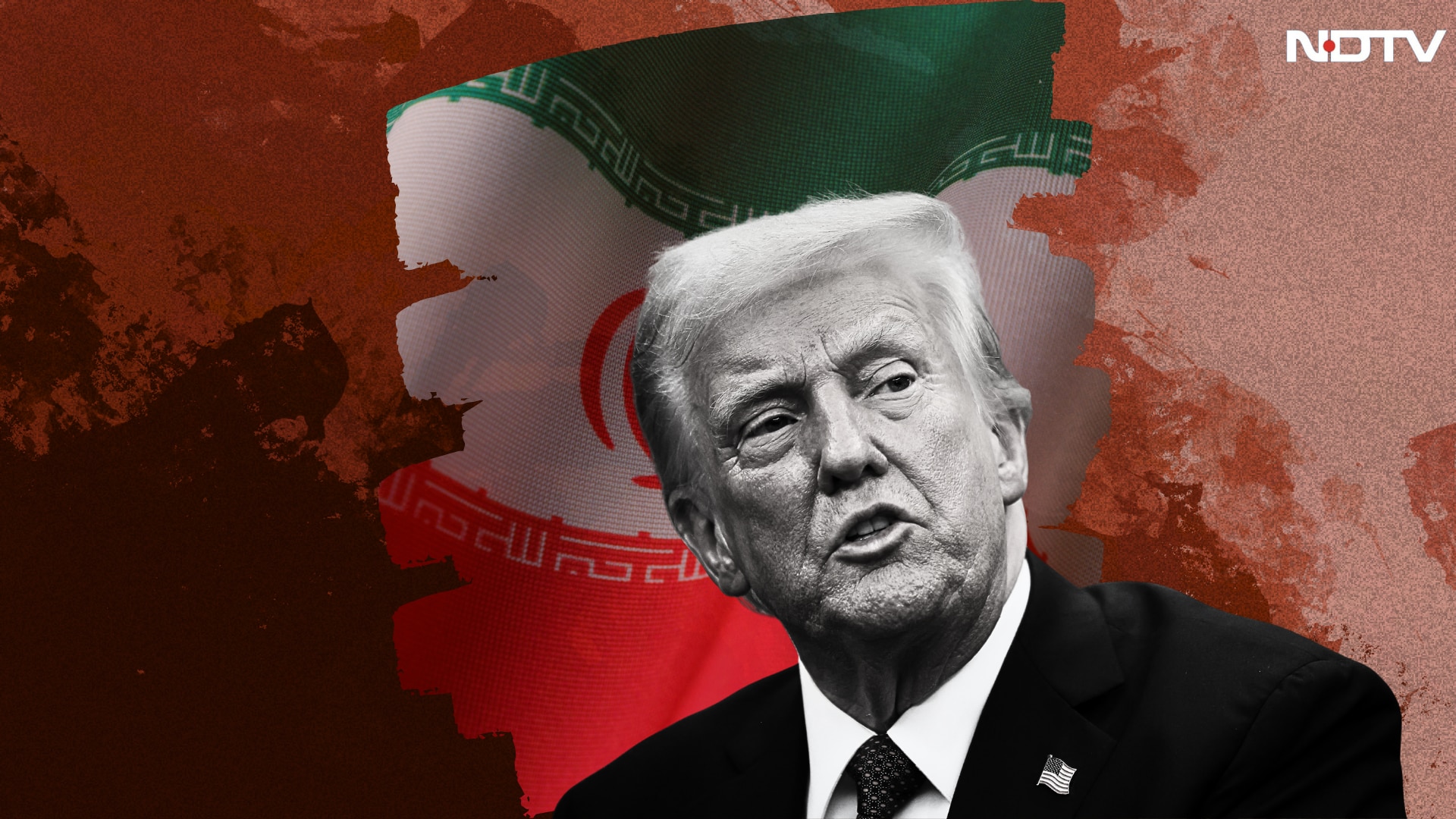
Donald Trump just slammed Tehran's leadership for playing both sides. He wants the world to know that a strict U.S. military blockade isn't going anywhere until Iran accepts a deal or total surrender.
If you're trying to make sense of the high-stakes standoff in the Middle East, you need to look past the public posturing. The diplomatic collision between Washington and Tehran highlights a massive communication gap. Trump took to social media to call Iranian officials unbelievably duplicitous. Why? Because while they allegedly sought private talks to ease the ongoing conflict, their public messaging insisted that zero negotiations were happening with the United States.
Let's break down what's actually driving this escalation and why this standoff matters for global energy markets.
The Clashing Narratives On Secret Talks
Public transparency during a geopolitical crisis is rare. Right now, it's non-existent.
Trump claims that Iranian officials reached out behind closed doors. He even used sharp language, noting that some would say Tehran begged for a meeting. Yet, the Iranian Foreign Ministry publicly pushed back, claiming any discussions were limited to regional mediators like Oman regarding the Strait of Hormuz.
This contradiction drove Trump's latest ultimatum. He made his stance clear. Nothing gets through to Iran unless Washington allows it. The naval restrictions and what officials call a Wall of Steel will stay locked in place.
The Reality Of The Strait Of Hormuz
Control over the Strait of Hormuz sits at the absolute center of this dispute. Tehran claims it maintains power over the vital energy waterway. Trump flat-out dismisses this claim.
The U.S. Navy asserts total command over the strategic passage. This chokepoint handles a massive portion of global crude oil transit. When fighting between the U.S. and Iran spiked earlier, global oil benchmarks jumped significantly. Traders panic at any sign of a prolonged closure. When Trump paused planned heavy bombing runs following regional appeals, global oil prices briefly dropped. But as long as the underlying security deadlock persists, energy markets remain jittery.
What Tehran Actually Wants
Iran's strategy relies on maintaining domestic pride while navigating severe economic and military pressure. By denying direct talks with Washington, hardline leaders in Tehran try to project strength to their domestic audience. They want to avoid looking weak after months of exchanging strikes with the U.S. and its regional partners like Bahrain, Jordan, and Kuwait.
At the same time, the Iranian economy is bleeding. The military blockade chokes imports and strangles oil exports. Tehran needs relief, but it refuses to accept terms it views as capitulation.
The Core Demand On Nuclear Ambitions
Trump keeps repeating the primary objective behind the entire campaign. Iran will never get a nuclear weapon.
After months of military exchanges following the breakdown of earlier frameworks, Washington insists that the decades-long nuclear threat must end permanently. The administration's position is binary. Agree to strict terms that dismantle the threat, or face indefinite economic strangulation and military containment.
What Happens Next
The pressure on Tehran is mounting by the day. Trump isn't backing down from his rhetoric, and the U.S. naval blockade remains firmly active.
Watch the oil markets and regional intermediaries. If Oman or other Gulf mediators manage to bridge the gap between private outreach and public denial, a framework might emerge. If they don't, the blockade holds, and the standoff deepens.