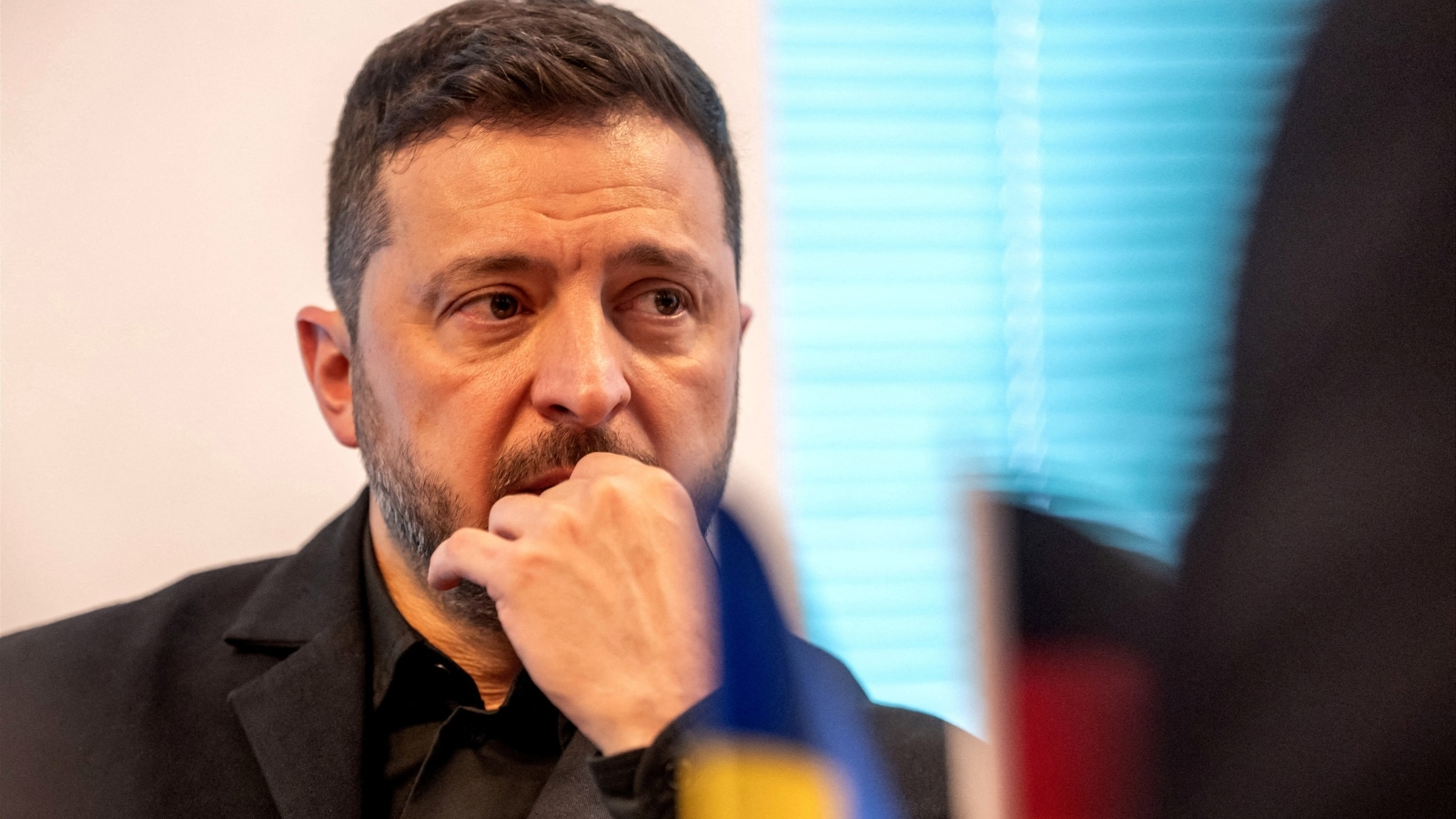
Donald Trump isn't hiding his frustration with how Western allies handle military budgets, and Ukrainian President Volodymyr Zelenskiy just pulled back the curtain on private conversations to prove it. According to Zelenskiy, during recent diplomatic exchanges, Trump reminded European leaders of a simple financial reality: they're spending astronomical sums on the conflict in Ukraine.
The core message from Washington is blunt. Trump pointed out that once a peace deal gets hammered out, European nations could redirect those billions back into their own domestic economies. But unpack what's really happening here, and you'll see a massive fracture in strategy between the White House, Kyiv, and Brussels.
The Financial Burden on European Capitals
Europe has poured billions into artillery, air defense systems, and humanitarian packages since 2022. While initial solidarity was unanimous, financial fatigue is setting in across several EU member states. Inflation, energy crunches, and strained domestic budgets have turned defense spending into a political hot potato.
Trump’s argument hits a specific chord with leaders trying to balance local infrastructure needs with endless foreign aid. He basically told them that the funds hemorrhage-locked into foreign battlefields could be spent at home on their own countries once the fighting stops. Yet, European policymakers face a terrifying alternative. If they pull funding too early, Russian forces could push deeper westward, threatening continental security far beyond Ukraine's borders.
Why Zelenskiy Remains Skeptical of Moscow
While Washington pushes hard for a diplomatic off-ramp and a quick settlement, Kyiv isn't buying what Moscow is selling. Zelenskiy made it clear that he's far more skeptical than American officials regarding Vladimir Putin's actual willingness to compromise.
Putin has consistently demanded that Ukraine hand over the entire eastern Donbas region as a precondition for peace. For Kyiv, accepting that terms means spitting on the graves of thousands of soldiers who died holding those exact lines. Zelenskiy's stance is straightforward: you can't negotiate a durable peace with an opponent whose baseline demand is total capitulation.
What Happens Next in the Peace Process
Diplomatic tracks have resumed—including recent talks in Abu Dhabi—with American envoys attempting to bring all parties back to the negotiating table. However, logistics and mistrust are slowing everything down. Zelenskiy noted that while America wants a rapid summit, Russia will likely drag its feet to delay the meeting.
The friction between wanting the war to end and knowing how it ends highlights the messy reality of international diplomacy. Trump wants a fast deal and a reduction in Western spending, Europe is caught between financial exhaustion and existential dread, and Ukraine refuses to sign away its territory for a hollow promise.
Resolving this deadlock will require more than pressure from Washington. Until security guarantees match reality on the ground, the financial and human costs will keep climbing.