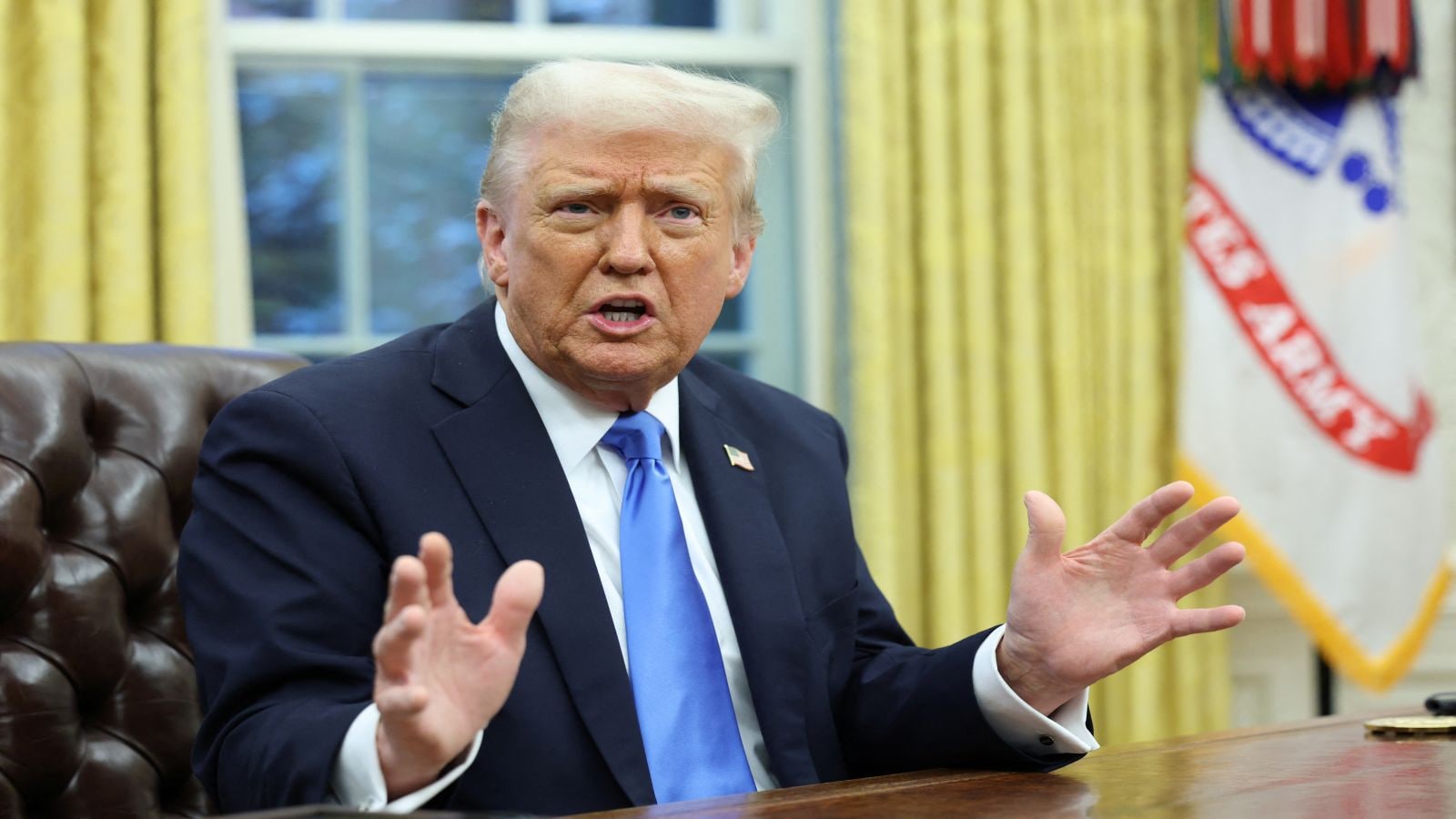
Politics moves fast, and Washington just hit a brick wall. Following a bruising defeat in the midterm elections, President Donald Trump finds himself staring down a divided Congress and a rapidly shifting domestic landscape. When domestic political ground slips away, leaders look outward for quick wins. Right now, international trade desks are buzzing because that exact dynamic points straight toward New Delhi.
If you think a legislative setback slows down a trade agenda, you've misread the modern White House. Instead of retreating, administrations often double down on executive actions to project strength. Experts suggest that facing political constraints at home, Trump might aggressively push for a fast-tracked Bilateral Trade Agreement (BTA) with India. But getting that deal across the finish line isn't as simple as signing a piece of paper. New Delhi's negotiators know the stakes, and the dance between American pressure and Indian caution is just getting started.
The Domestic Pressure Cooker
Elections have consequences. Losing congressional majorities changes how a president wields power overnight. Trump can no longer rely on friendly legislative majorities to pass sweeping new domestic packages. Instead, trade policy becomes the primary instrument for economic posturing.
According to Ajay Srivastava, founder of the Global Trade Research Initiative (GTRI), the fundamental push toward economic nationalism hasn't shifted. Both major parties in the United States now favor domestic manufacturing and protected supply chains. Democratic lawmakers are just as eager as Republicans to protect local industries and unionized labor.
Because passing major laws through a hostile Congress is practically off the table, the administration has to use tools already sitting in the executive drawer. Think of things like Section 301 tariffs, Section 232 measures, targeted Treasury sanctions, and direct actions through the Office of the United States Trade Representative (USTR). These are unilateral instruments. They don't require congressional approval, making them the weapon of choice for a pressured White House looking to force trading partners to the negotiating table.
What India Wants from the Table
India isn't walking into these talks blind. New Delhi has a clear objective: lower tariff barriers for its key exports compared to rival emerging economies.
Sectors like gems, jewelry, textiles, and engineering goods are heavily dependent on the American consumer market. Industry leaders, including Kirit Bhansali, Chairman of the Gems and Jewellery Export Promotion Council, have noted that while earlier tariffs were implemented via executive orders rather than congressional bills, businesses desperately need long-term certainty.
The first phase of the BTA framework is technically on the table. Yet, constant shifts in the American tariff environment keep triggering fresh rounds of hard bargaining. Indian negotiators want concessions that make them competitive against alternative sourcing hubs in Asia. They aren't going to sign away domestic advantages just to give Washington a convenient political headline.
The Risk of Rushing a Bad Agreement
Pressure creates friction. When a political leader desperately needs a foreign policy victory to distract from domestic losses, the temptation to rush is immense. International trade experts, such as Ram Singh, a professor at the Indian Institute of Foreign Trade (IIFT) in New Delhi, point out that a politically cornered executive can become highly reactive.
This volatility cuts both ways. On one hand, it creates a window of opportunity where American negotiators might drop unrealistic demands just to announce a deal. On the other hand, it increases the risk of stumbling into a poorly structured pact.
Trade agreements are notoriously difficult to undo once inked. If New Delhi yields too quickly to US pressure tactics, it risks locking domestic industries into unfavorable terms. Analysts caution that the speed of an agreement must never override its substance. Protecting long-term manufacturing growth matters far more than satisfying a temporary political timeline in Washington.
Looking Beyond the Trade Desk
Global economics rarely happens in a vacuum. Energy markets add another layer of complexity to the equation. Analysts from firms like PwC suggest that a constrained White House might also seek stabilization on international geopolitical flashpoints, such as tensions involving Iran, which directly impacts global crude oil pricing. Lower oil prices ease fiscal pressure on importing nations like India, indirectly strengthening their hand in bilateral discussions.
As the political fallout from the midterms continues to ripple outward, keep a close eye on USTR announcements. The next few weeks will reveal whether Washington's urgency translates into genuine compromise or if Indian negotiators hold firm for better terms.
Watch the tariff adjustments closely. Pay attention to specific sector exemptions rather than broad political announcements. Real leverage isn't found in press releases; it's written in the fine print of trade exclusions.