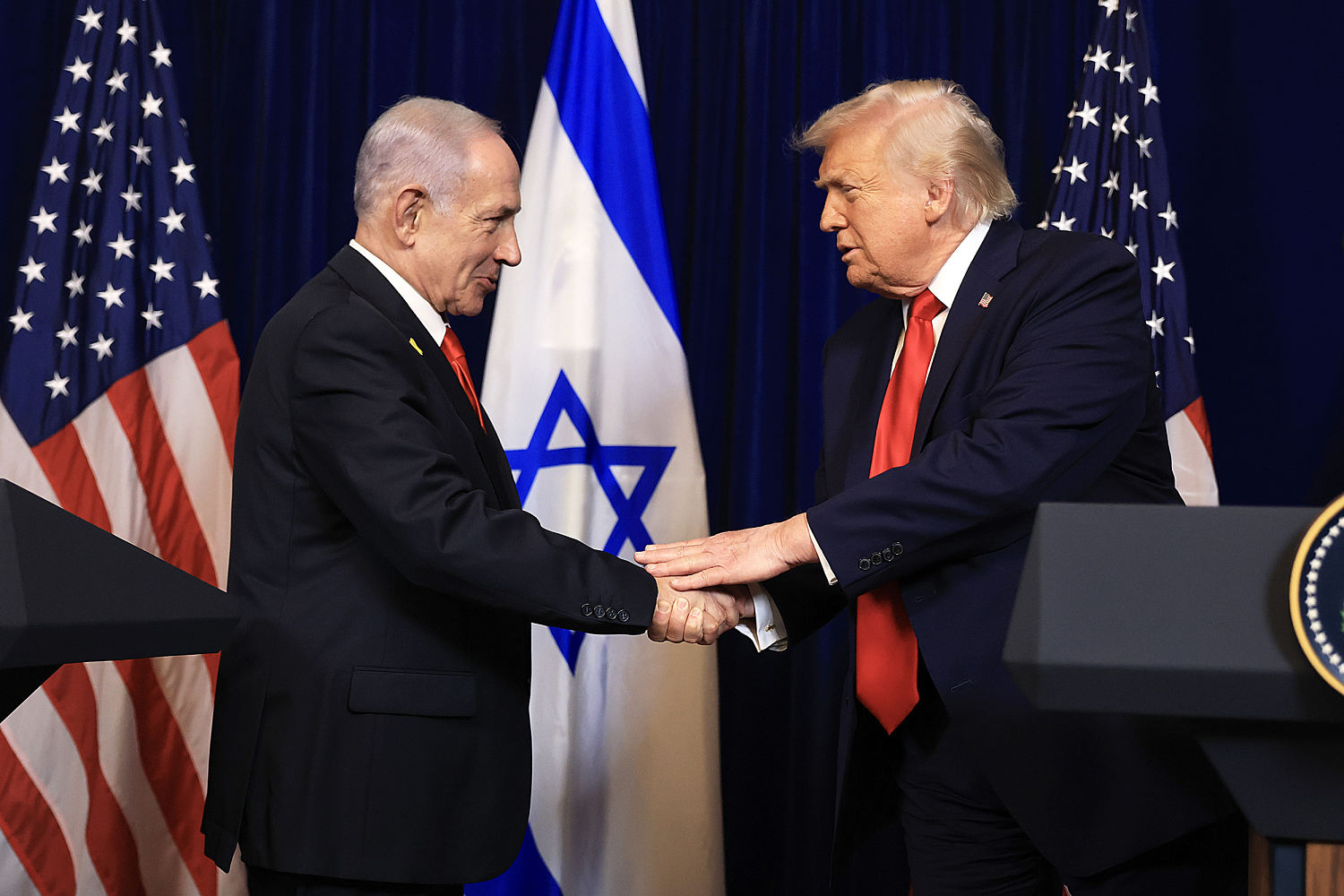
Donald Trump just dropped a massive policy shift that caught Washington off guard. President Trump announced that the United States will halt its roughly $4 billion in annual military aid to Israel by the end of 2026. According to his recent statements on Fox & Friends, he and Israeli Prime Minister Benjamin Netanyahu reached an agreement months ago to phase out the funding because Israel has evolved into a thriving economy that no longer requires direct financial assistance.
If you are trying to figure out what this means for Middle Eastern geopolitics and U.S. foreign policy, you are not alone. This announcement upends decades of bipartisan precedent, challenging how Washington handles foreign assistance to its closest regional partner. Let's break down what is actually happening behind the headlines. Meanwhile, you can find similar events here: Why Control Of Congress Is Hanging By A Thread Today.
The Real Reason Behind the Funding Halt
For generations, American military assistance has been treated as untouchable. Billions flow from Washington to Jerusalem every single year under long-term agreements like the ten-year memorandum of understanding, which was originally set to run past 2027.
Trump’s argument rests on a simple economic premise. Israel is no longer a developing nation struggling to survive regional threats. It is a technological superpower with a booming economy. In Trump's own words, keeping the annual payout flowing is unnecessary because Israel can easily foot its own defense bills. To see the full picture, check out the recent analysis by USA Today.
Beyond the economics, domestic politics played a massive role in this decision. Foreign aid packages to Israel have become a lightning rod in American elections. Left-wing politicians and progressive Democrats frequently use these funding bills as ammunition against conservatives, weaponizing the foreign aid debate on the campaign trail. By cutting off the direct checks, the administration aims to defuse a recurring partisan flashpoint.
What Changes and What Stays the Same
Stopping the direct aid checks does not mean the U.S. and Israel are severing ties. Trump made it clear that Washington will keep helping Israel if an emergency arises, calling them a historic ally.
Crucially, the policy pivot shifts the relationship from financial handouts to commercial hardware sales. Instead of receiving billions in direct funding to purchase American-made weapons, Israel will transition to buying what it needs directly. For U.S. defense contractors, the manufacturing orders might not vanish completely, but the funding mechanism changes fundamentally.
Critics and defense experts are already scrambling to model the fallout. Many wonder how the Israeli defense budget will absorb the sudden shift once the transition hits at the end of 2026. Others question whether this opens the door for similar restructuring of foreign military financing worldwide.
The Broader Impact on Foreign Policy
Foreign policy shifts of this magnitude rarely happen in a vacuum. By declaring that thriving nations should pay for their own defense, the administration is signaling a broader doctrine of self-reliance for wealthy allies.
For years, critics of foreign aid have argued that permanent subsidies create dependency and domestic political friction. Proponents of the traditional aid model, however, argue that these funds guarantee American leverage and interoperability between military forces.
As we approach the end of 2026, watch for how the Knesset responds to the implementation details of this agreement. The era of unconditional multi-billion-dollar annual subsidies is officially drawing to a close.