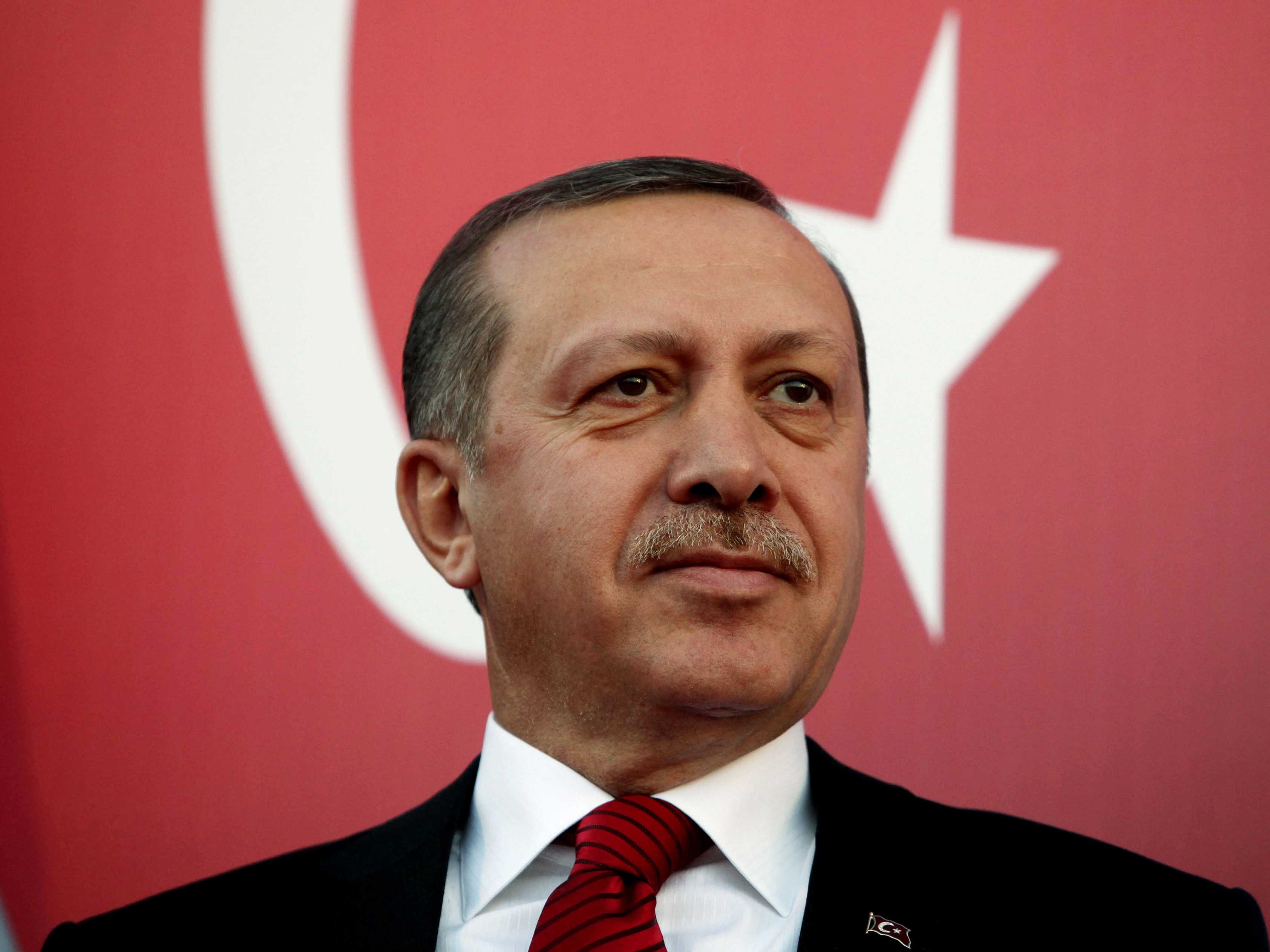
High-stakes diplomacy rarely looks friendly, yet here we are. Chinese President Xi Jinping landed at Joint Base Andrews for a three-day state visit, greeted by Donald Trump and First Lady Melania Trump. It is their second summit in less than six months. If you think this is just ceremonial pageantry, you are missing the entire plot.
The tariff truce struck at the Busan summit last October is crashing toward a November expiration date. Officials are scrambling behind closed doors. Trade, advanced technology, and critical minerals dominate the agenda. The clock is ticking, and neither side wants to blink first.
Why the Tariff Truce Matters Right Now
Let's cut through the diplomatic fluff. The upcoming expiration of the tariff agreement creates massive volatility for global supply chains. Washington isn't planning to trade away its tight export controls on rare earth flows. That card stays off the table.
Instead, negotiators are eyeing a narrow band of non-strategic goods for tariff reductions. Both economies need a win, but neither wants to look weak at home. You have to watch what they do with chip export licenses over the next few days. That tells you everything about who holds the real cards in this bilateral chess match.
Artificial Intelligence and Open-Source Oversight
Artificial intelligence is no longer just a tech story. It is a national security battleground. Washington and Beijing are discussing ideas that sound wild on paper. Think about previewing new AI models across borders or extending oversight to Chinese open-source systems.
Will it work? Honestly, it's a long shot. Trust is low, and tech decoupling has already gone too far to reverse easily. Still, keeping communication channels open prevents accidental escalation in cyberspace.
The Unresolved Pressures Behind Closed Doors
Trade policy isn't the only item on the checklist. Washington continues to squeeze Beijing over the flow of fentanyl precursor chemicals feeding cartels in Mexico. Trump is also expected to press hard regarding Americans currently held in Chinese prisons. These human and domestic security issues sit heavy behind every handshake on the South Lawn.
This state visit is reciprocal. It follows Trump's trip to Beijing back in May when Xi hosted him at the Great Hall of the People. Both leaders talk a lot about building a stable relationship, but structural competition remains the default setting.
Keep an eye on concrete policy announcements as the three-day itinerary wraps up. Watch for real tariff adjustments rather than vague joint statements.