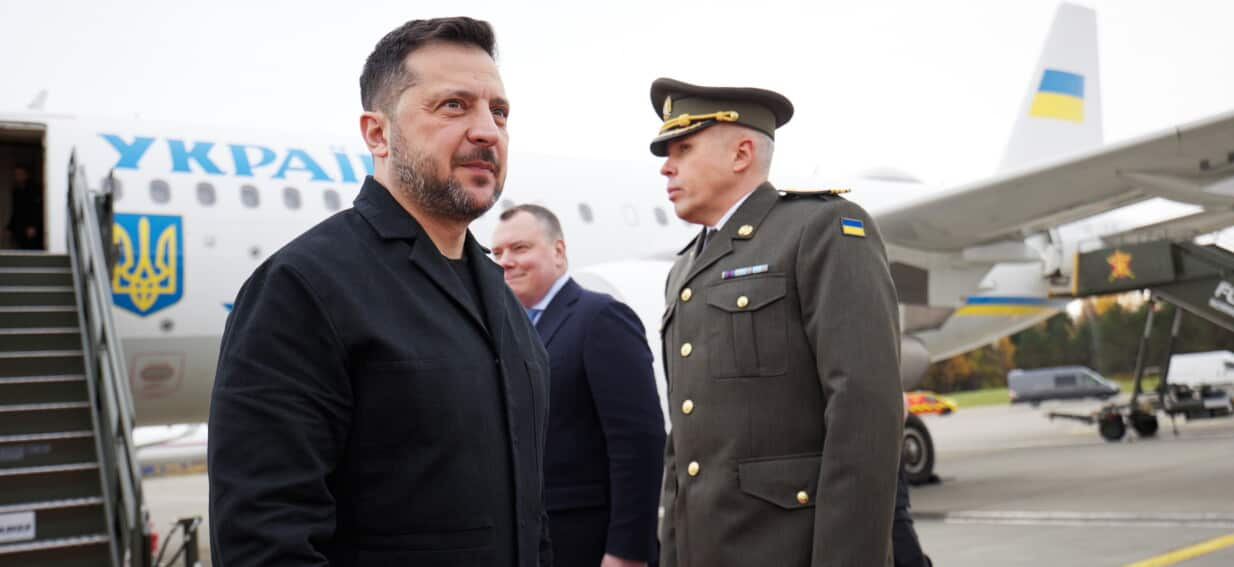
Diplomatic handshakes in cold European capitals rarely tell the whole truth about a war. When Ukrainian President Volodymyr Zelensky hugged U.S. special envoy Steve Witkoff in Oslo, many observers breathed a temporary sigh of relief. They hoped it signaled a thaw in a tense transatlantic relationship. Look closer, and the reality is far more fractured.
Donald Trump isn't hiding his frustration. He insists it is time for a deal, complaining publicly that Washington has gotten nothing back from Kyiv. Meanwhile, Zelensky walks a tightrope between expressing gratitude for restored intelligence sharing and pushing back against heavy-handed pressure to surrender ground or political autonomy.
What Oslo Actually Achieved
Let's look past the photo ops. The gathering in Norway did yield tangible technical fixes. U.S. intelligence sharing, including ballistic missile early-warning systems critical for protecting civilians and children, resumed normal operations after recent friction. Ukrainian officials also sought smoother resolutions regarding Starlink satellite service limitations that impact front-line drone operations.
Yet, operational fixes don't equal strategic alignment. Kyiv desperately needs reliable security guarantees and a sustainable energy ceasefire. Moscow, through Foreign Minister Sergei Lavrov, has made it clear that while proposals will be heard, political concessions are off the table. Trump's rhetoric remains blunt. He recently suggested that Ukraine needs a new representative for negotiations, signaling deep personal and political friction at the top.
The Core Disconnect Over Endgame Strategy
Why does this friction persist? The core disagreement comes down to timing and terms. Washington wants a rapid conclusion to the conflict, viewing prolonged military aid through a transactional lens. Kyiv views the war through an existential lens. They aren't just fighting an invading army; they're fighting for national survival.
Zelensky stated openly after the Oslo talks that Ukraine isn't losing the war in terms of morale, but they are losing precious lives every single day. That distinction matters. When American leaders push for immediate concessions without ironclad deterrence against future Russian aggression, Ukrainian leadership balks. They know a rushed ceasefire without teeth is just an invitation for a renewed invasion later.
What Comes Next for Transatlantic Ties
The immediate future of the alliance depends entirely on whether Washington and Kyiv can bridge the gap between U.S. electoral politics and Ukraine's defense realities. Intelligence channels might be open today, but political trust remains fragile.
If you're following this conflict closely, watch the energy infrastructure talks and the specifics of any proposed security framework. Those details will determine whether Oslo was a genuine turning point or just another brief pause in a deepening political storm.
Does President Trump's 'energy ceasefire' actually exist?
This video provides an in-depth analysis of the recent diplomatic friction and the reality behind proposed energy ceasefires between Washington, Kyiv, and Moscow.
http://googleusercontent.com/youtube_content/1