Donald Trump just dropped a policy bombshell that could reshape American healthcare and global trade in one move.
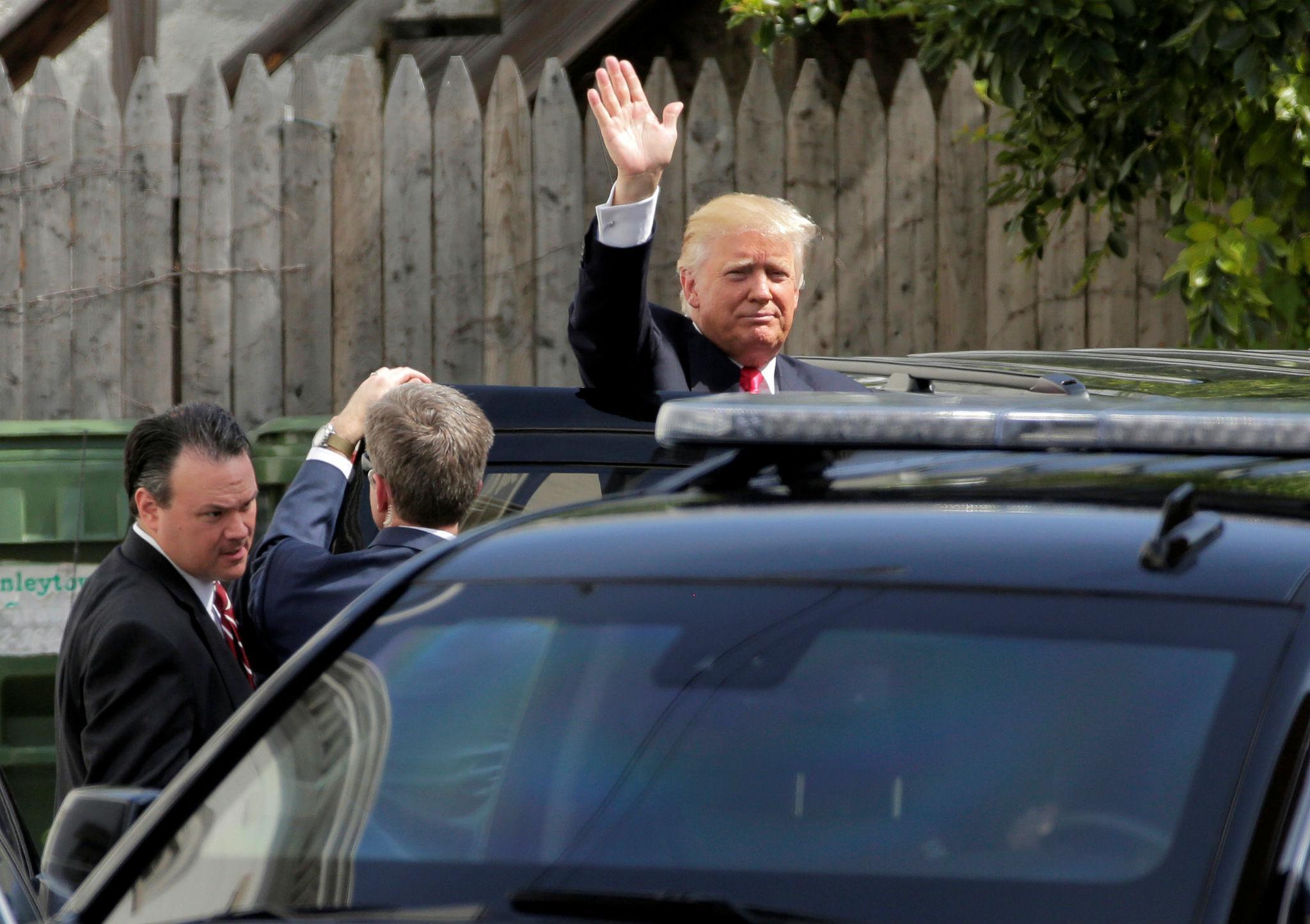
Taking to Truth Social, the president laid out an aggressive timeline for taxing generic medicine imports. Under his plan, imported generic drugs will keep their current duty-free status starting August 1, 2026, for two years. After that grace period ends in August 2028, duties will shoot up to 100 percent for a year before climbing to 200 percent in 2029. Also making waves in related news: Why Japan Economic Growth Is Finally Real This Time.
The stated goal is simple enough on paper. The administration wants to force generic drugmakers to build factories on American soil. If you don't build plant and equipment in the United States, you pay the penalty.
It sounds like straightforward economic nationalism. But in practice, taxing imported generic medicines is a massive gamble that could hurt everyday Americans far more than it helps domestic manufacturing. Further insights into this topic are explored by The Wall Street Journal.
The Massive Reliance on Indian Generic Medicines
You can't talk about generic drugs without talking about India. The country isn't called the pharmacy of the world by accident.
American pharmacies rely heavily on Indian manufacturers to keep their shelves stocked. Roughly nine out of every ten prescriptions filled in the United States are for generic medications. Out of those generic prescriptions, Indian firms manufacture nearly 47 percent. Whether you're taking blood pressure pills, cholesterol-lowering statins, basic antibiotics, or cancer treatments, odds are high that your medicine came from an Indian facility.
In 2025 alone, India exported roughly $25.8 billion in pharmaceutical products globally. The United States was its biggest customer by a mile, swallowing up $9.7 billion—nearly 38 percent of India's total pharma exports.
This relationship exists because Indian companies can manufacture safe, high-quality medication at a fraction of what it costs to produce in North America or Europe. They have built out specialized infrastructure and labor models over four decades. You don't replicate that kind of ecosystem overnight.
Why Reshoring Generic Drug Manufacturing in Two Years Is Impossible
Building a modern pharmaceutical manufacturing plant isn't like putting up a warehouse or a call center. You can't just rent space, drop in some machines, and start pressing pills next month.
First, there's the money. Constructing a sterile, compliant drug manufacturing facility costs hundreds of millions of dollars.
Second, there's the timeline. Designing the plant, obtaining environmental permits, constructing cleanrooms, installing specialized machinery, and meeting strict FDA regulatory standards takes anywhere from four to seven years. Giving drugmakers a two-year window before hitting them with 100 percent tariffs is completely out of touch with physical reality.
Third, active pharmaceutical ingredients—often called APIs—present a massive bottleneck. Even if a company manages to build a finished-dose packaging plant in Ohio or Texas, where do the raw chemical ingredients come from? Most of the global supply of key chemical precursors originates in China and India. If tariffs apply to imported raw materials as well as finished pills, domestic plants will still face sky-high production costs.
Generic drugmakers operate on razor-thin profit margins. Unlike giant brand-name pharmaceutical companies that hold lucrative patents and sell single drugs for thousands of dollars per dose, generic producers sell high volumes for pennies per pill. They simply do not have the capital reserves to fund multi-billion-dollar domestic construction blitzes without massive public subsidies.
Who Will Actually Pay the 200 Percent Tax
When a tariff is slapped on an imported product, foreign manufacturers don't send a check to the U.S. Treasury out of their own pockets. The importer pays the duty at the port of entry, and that added expense gets passed down the line.
As Dr. Reddy's Laboratories CEO Erez Israeli pointed out, if tariffs get imposed, companies will have to raise prices. It's basic math.
Because generic medicines are already dirt cheap, a 100 percent or 200 percent tariff won't necessarily make Indian drugs more expensive than American brand-name drugs. The Global Trade Research Initiative noted that many Indian generic drugs are priced 7 to 10 times lower than their branded U.S. counterparts.
So what happens when you double or triple the price of a generic drug that used to cost $10 a month?
The product remains cheaper than the $500 brand-name original, but now the patient, the health insurance company, or Medicare has to absorb the new cost. Out-of-pocket copays will climb. Insurance premiums will rise to cover higher drug acquisition expenses. The bill lands squarely on American healthcare consumers.
The Real Danger of Chronic Drug Shortages
Price hikes are only half the problem. The bigger issue is supply availability.
When generic manufacturers realize that selling a low-margin pill in the U.S. market will result in net losses due to heavy tariffs, many will simply stop selling those drugs in America. They'll redirect their supply to Europe, Latin America, or Southeast Asia, where trade barriers are lower and regulatory burdens are predictable.
We've already seen what happens when generic supply chains get disrupted. The U.S. frequently suffers from shortages of basic cancer therapies, pediatric antibiotics, and hospital IV solutions. Adding a 200 percent tax on imported copycat medicines will push more low-margin products off the market entirely.
When critical medications become unprofitable to import, doctors are forced to ration doses or switch patients to less effective alternative treatments. That isn't just an economic issue. That's a public health hazard.
What the Drugmakers and Trade Officials Are Doing Now
How are market players reacting to this bold threat? Mostly with cautious calculation.
The Nifty Pharma index took an immediate dip after Trump's social media announcement, with 18 of its 20 constituent companies taking a hit. But industry executives are taking a wait-and-see stance.
Some companies, like Granules India, already operate a handful of manufacturing facilities inside the U.S., giving them a slight head start. Organizations like the Indian Pharmaceutical Alliance emphasize that Indian companies already support thousands of American research and production jobs.
Namit Joshi, Chairman of Pharmexcil, observed that the two-year zero-tariff window gives companies crucial breathing room. Generic manufacturers will likely spend this two-year runway diversifying their export markets, negotiating trade carve-outs, or lobbying Congress for exemptions rather than dropping billions on U.S. factory construction.
Many trade analysts quietly suspect political posturing. By the time the 200 percent rate kicks in around August 2029, the political landscape could look entirely different.
Actionable Steps for Generic Exporters and Healthcare Managers
If you run a pharmaceutical business or manage hospital procurement, you can't just hope this policy vanishes. Here is how you prepare right now.
- Audit your drug supply chains immediately. Map out every active ingredient and finished dosage form you import. Identify which products have zero U.S. manufacturing alternatives so you can flag supply risks early.
- Focus on high-value, complex generics. Standard low-margin pills will suffer the most under flat percentage tariffs. Complex injectables, biosimilars, and respiratory drugs carry higher margins that can absorb tariff pressures better than standard oral tablets.
- Form joint ventures for U.S. finishing facilities. You don't necessarily need to build a full synthesis plant from scratch. Partnering with existing contract development and manufacturing organizations (CDMOs) in North America to handle final packaging or formulation can help meet local presence criteria faster.
- Engage actively in trade negotiations. India and U.S. commerce officials are actively negotiating trade terms. Industry groups need to push for clear exemptions on essential life-saving medications where no U.S. domestic capacity exists.
Slapping massive tariffs on affordable imported drugs might sound like a winning political speech, but the economic realities of pharmaceutical manufacturing don't bow to social media posts. Unless Washington pairs its tariff threats with massive capital grants and regulatory fast-tracking, American patients will be the ones paying the tab.