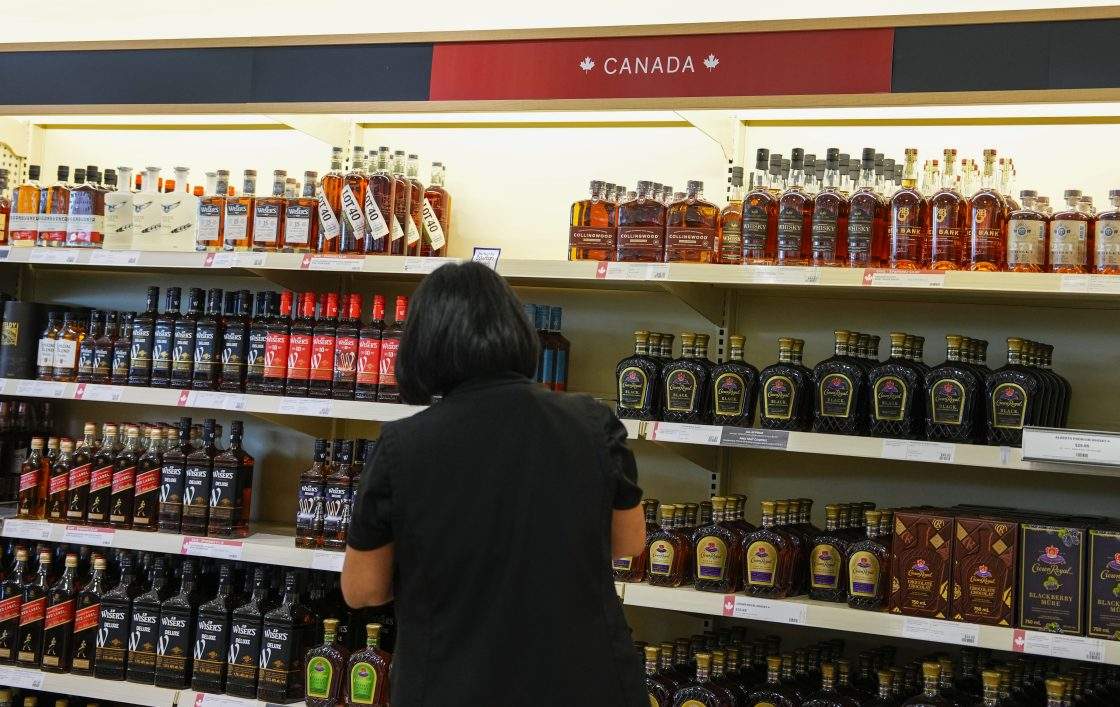
Trade wars always look dramatic on television. When Washington starts throwing heavy punches at northern supply chains, everyone panics. Trump's proposed restrictions targeting Canadian alcohol and dairy exports have people running in circles. Let's look past the political theatre and see what actually happens next.
You're probably wondering if your local brewery or favorite cheese counter is about to collapse. The short answer is no. But the noise surrounding cross-border trade tensions hides a much simpler reality about how our economies function.
The Myth of the Open Border
For decades, we pretended North America had a completely frictionless trade market. It never did. Dairy has always operated under tight quotas, strict management boards, and protective tariffs on both sides of the border. When American politicians complain about Canadian supply management, they're ignoring their own massive domestic agricultural subsidies.
Alcohol follows a similar weird path. Try shipping a case of craft beer from Ontario to a retailer in New York or California. You’ll hit a wall of state-level distribution laws, licensing fees, and bureaucratic red tape that makes international shipping look easy.
So when an import ban gets thrown into the news cycle, it targets markets that were already heavily restricted. Canadian dairy exports to the United States represent a tiny fraction of total production anyway. Most of our milk stays right here, feeding domestic demand under heavily regulated quotas.
Where the Real Pinch Happens
While massive industrial farms and multinational beverage conglomerates will weather the storm, smaller regional producers feel the squeeze first. If you run an independent craft distillery that spent two years cracking the American boutique market, sudden trade barriers hurt. It stalls growth. It forces sudden pivots.
Consumers take a hit too, though not in the way headlines suggest. You won't suddenly wake up to empty grocery shelves. Instead, you'll see stubborn price rigidity. Without healthy cross-border competition, domestic monopolies in sectors like dairy and brewing have zero incentive to drop prices. You pay more because options shrink.
I've watched small business owners scramble to diversify supply chains overnight. It's messy. It's expensive. Building alternative markets in Europe or Asia doesn't happen with the stroke of a pen.
What You Should Do About It
Stop waiting for politicians to fix trade relationships. They won't. If you want to support local producers through economic turbulence, change your buying habits directly.
- Audit your pantry and your liquor cabinet. Look at where your purchases actually originate.
- Support regional independent makers who don't rely on massive export volume to survive.
- Ignore the doomsday forecasts. Supply chains adapt much faster than bureaucrats can write new rules.
Economic nationalism creates plenty of static, but real commerce finds a way around political walls. Keep your focus local and let the trade wars burn themselves out.