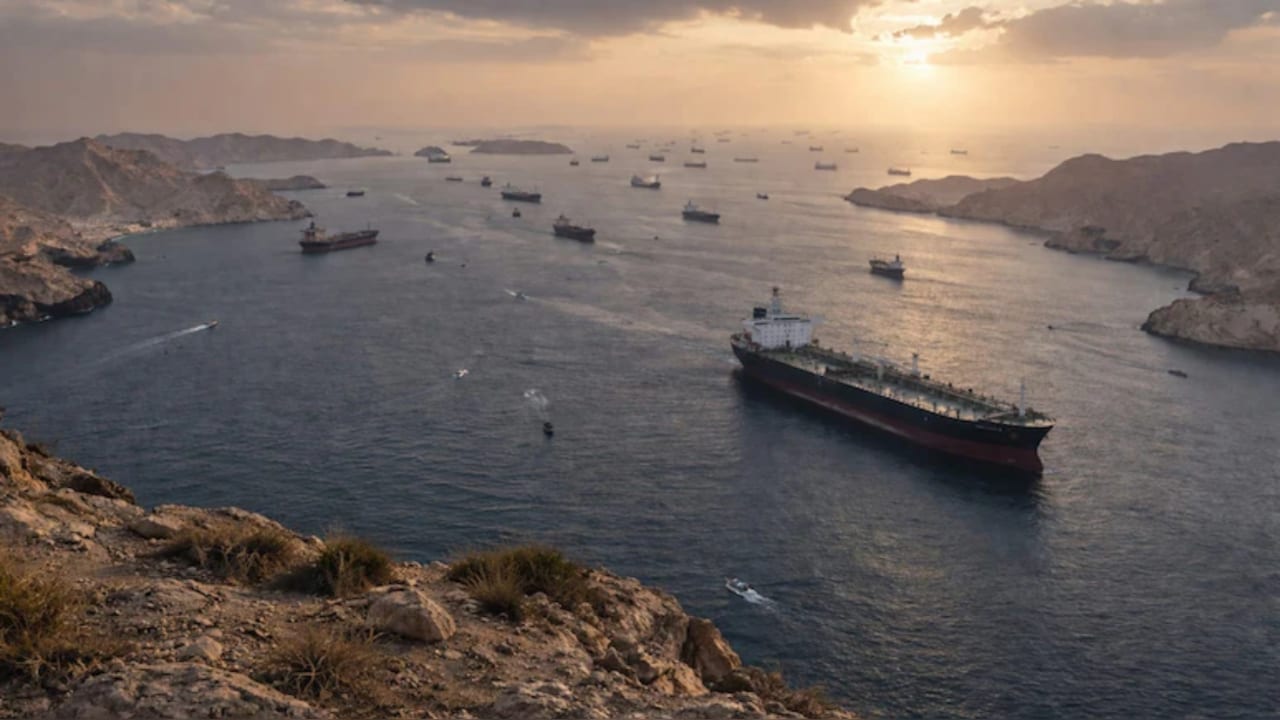
Donald Trump thought a few heavy airstrikes would clear the world's most critical choke point. He was wrong.
The Strait of Hormuz is closed, global energy markets are shaking, and Tehran just drew a line in the sand. If the US targets Iranian infrastructure, Iran says it will set the entire Gulf on fire. Don't miss our previous article on this related article.
We aren't talking about a minor regional squabble anymore. This is a direct, high-stakes collision between Trump's aggressive military posturing and Iran's asymmetric warfare playbook. Tehran is making one thing clear: they don't need a massive navy to keep the Strait shut, and they aren't backing down.
The Escalation Nobody is Stopping
The US military just wrapped up its fifth consecutive night of airstrikes against Iranian targets. Alongside the bombardment, Washington reimposed a tight naval blockade on Iranian ports. The stated goal? Force the Strait of Hormuz back open after Iran shut it down following the collapse of a shaky truce. If you want more about the history here, The Washington Post provides an in-depth breakdown.
But instead of retreating, Iran is doubling down.
Tehran’s top negotiator, Mohammad Baqer Qalibaf, didn't mince words, calling the current situation an "essential and existential war with America". Shortly after, Iranian army spokesman Brigadier General Mohammad Akraminia declared the Strait an inviolable "red line".
The core of the Iranian argument is simple. Washington thinks destroying coastal bases and radar installations will break Iran's grip on the shipping lane. It won't. Akraminia warned that Iran can project power and control the waterway "from every single point of its territory," completely independent of vulnerable coastal infrastructure or islands.
This isn't just empty rhetoric. It points to a fundamental misunderstanding of how Iran plans to fight this war.
Why Coastal Airstrikes Won't Open the Strait
Before the outbreak of hostilities, about a fifth of the world's oil and liquefied natural gas passed through this narrow strip of water. It's a geographical bottleneck. At its narrowest, the shipping lanes are only two miles wide in either direction.
Trump's military strategy relies on overwhelming conventional firepower. US strikes are currently targeting Iranian missile sites, air defenses, and fast-attack naval craft. But you can't bomb away geography, and you can't easily neutralize decentralized threat networks.
To keep the Strait closed, Iran doesn't need a fleet of destroyers. It only needs:
- Mobile anti-ship cruise missiles hidden deep in the rugged Zagros Mountains, far inland from the coast.
- Swarms of explosive-laden drones launched from civilian trucks anywhere in the country.
- Smart sea mines dropped from disguised commercial vessels before the conflict began.
If a single oil tanker is hit, insurance rates skyrocket to the point where commercial shipping halts entirely. By trying to force the Strait open with bombs, the US might actually make it too dangerous for any commercial vessel to even attempt the transit.
The Threat to Gulf Infrastructure
Iran’s latest warning raises the stakes for everyone in the region. Tehran signaled that if Trump attacks Iran’s domestic infrastructure—like oil refineries, power grids, or ports—they will retaliate against infrastructure across the entire Gulf region.
This is a direct threat to US allies like Saudi Arabia and the United Arab Emirates. It’s a reminder of the 2019 Abqaiq-Khurais drone strikes, which temporarily knocked out half of Saudi oil production. Today, Iran's missile arsenal is far more advanced. If Tehran feels its survival is threatened, neighboring desalination plants, power stations, and oil terminals will become targets.
Tehran has also warned its neighbors not to let the US use their territory or airspace for attacks. If they do, they’re in the line of fire.
What Happens Next
The diplomatic runway has practically vanished. Iran says the only way the Strait opens is if the US backs down and abides by the 14-point memorandum of understanding signed last June, while accepting Iranian transit regulations in the waterway. Trump, on the other hand, wants to "finish the job" and has even floated the idea of charging a 20% tariff on all cargo moving through the region.
If you are tracking this conflict, watch these critical indicators over the next few days:
- US target selection: If American strikes shift from military bases to Iranian energy infrastructure, expect immediate retaliatory strikes on Gulf Arab oil facilities.
- The shipping premium: Watch global maritime insurance rates. Even if the US claims the Strait is "open," shipping companies won't risk hundred-million-dollar vessels if the risk of missile fire remains high.
- Diplomatic backchannels: Look for quiet mediation efforts from regional players like Oman or Qatar. If those fail, we are looking at a prolonged, grinding war of attrition in the world's most vital energy corridor.