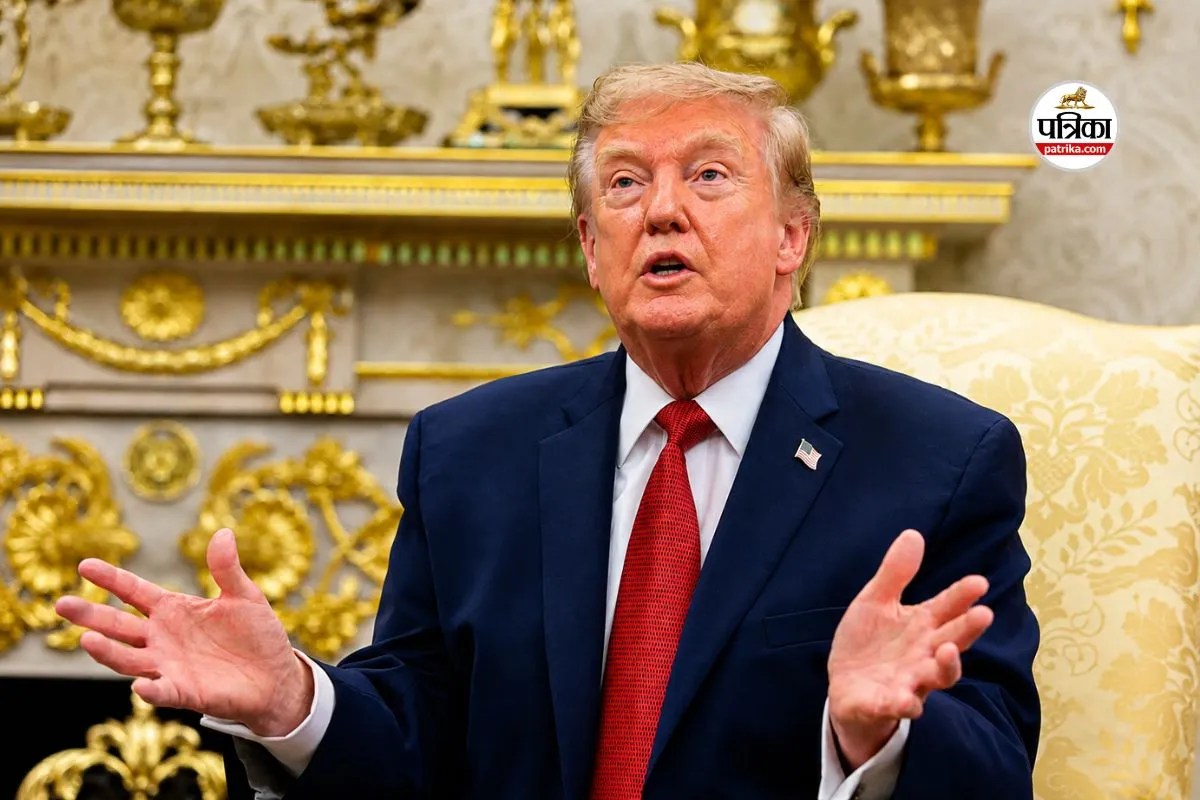
Donald Trump just dropped a massive timeline on the ongoing US-Iran conflict, claiming everything wraps up neatly right after the November midterm elections. Oil markets jumped, political commentators started spinning endless theories, and everyone is trying to read between the lines.
If you look past the standard political theater, the reality on the ground in the Middle East looks entirely different. For a different view, consider: this related article.
The Election Timeline Trap
Trump insists that Iran's capacity to sustain a conflict will crater as soon as November hits. It sounds neat for a campaign speech, but foreign policy rarely follows a neat domestic election calendar. Tehran doesn't care about American congressional shifts quite as much as Washington pundits think.
When you examine how regional powers operate, conflicts drag on because strategic survival trumps economic convenience. Iran views its network of proxies and its military posture as existential. Expecting a sudden halt just because a ballot box closes in Ohio or Texas ignores decades of geopolitical stubbornness. Related insight on this trend has been published by BBC News.
The Real Story Behind Crude Oil Spikes
Oil crossing the 100 dollars per barrel mark isn't just a random blip. Energy markets react instantly to the threat of blockades in vital transit lanes like the Strait of Hormuz. When tankers face harassment or insurance rates skyrocket, gasoline prices follow suit across the globe.
Trump promises that oil prices will plummet the moment the fighting stops. That sounds comforting if you are tired of paying more at the pump, but markets hate uncertainty. Even if a ceasefire is declared tomorrow, restoring damaged infrastructure and calming nervous shipping lines takes months, not days.
What Tehran Actually Wants
Washington loves to frame these tensions around US domestic politics, accusing Iran of trying to sway elections. Tehran plays a much longer game. Their leadership wants sanctions relief, secure nuclear ambitions, and unhindered control over regional trade routes.
Middle-eastern experts like Alex Vatanka point out a hard truth. Iran isn't waiting around for an American deadline to surrender or negotiate on Washington's terms. They want a diplomatic win that saves face at home. If that means dragging out a low-intensity confrontation through the winter, they will do it.
Cutting Through the Noise
You have to look at these announcements as political positioning rather than ironclad military forecasts. Military pressure alone rarely forces a nation like Iran into total submission without a catastrophic economic collapse or direct diplomatic off-ramps.
Keep an eye on actual shipping insurance rates, regional naval movements, and back-channel talks rather than campaign trail predictions. The headlines will keep shifting every single day, but the underlying economics of Middle Eastern energy remain stubborn.