Your utility bill is climbing, and artificial intelligence is largely to blame. As power-hungry data centers gobble up gigawatts of electricity across the country, everyday consumers find themselves footing the bill for massive grid upgrades.
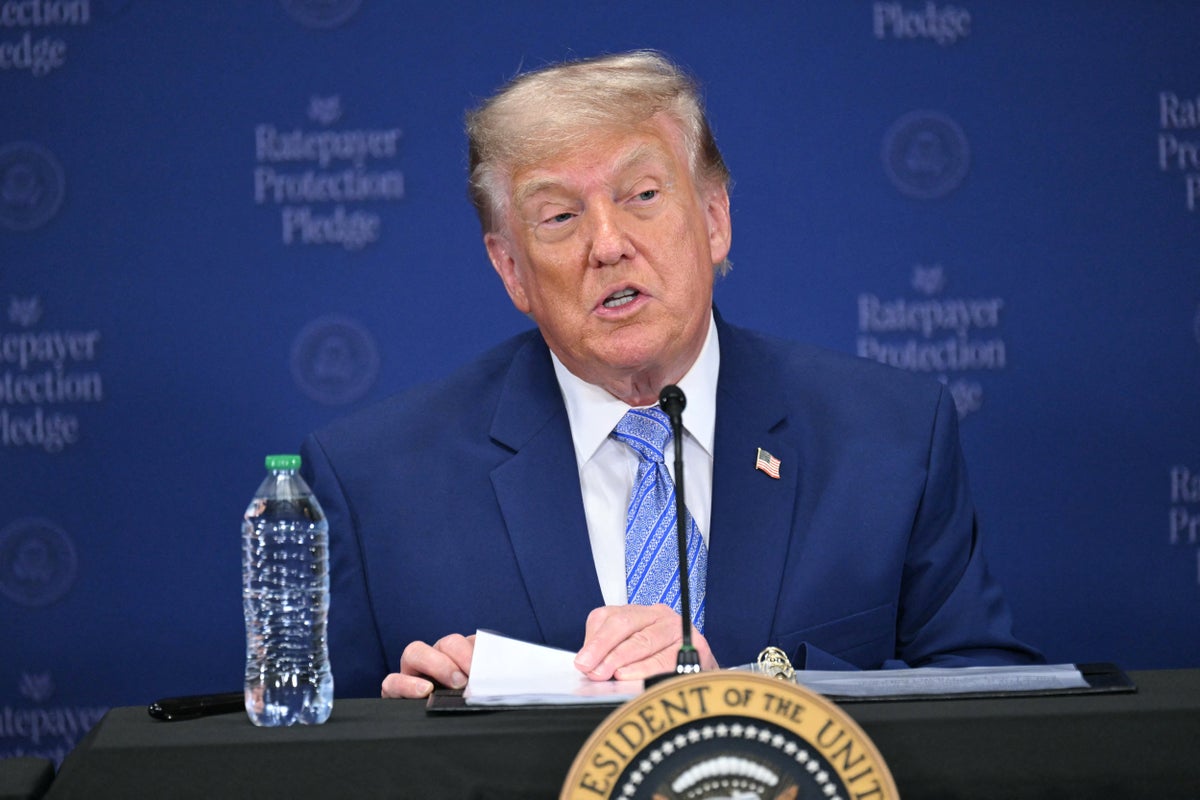
Enter the White House and its expanding Ratepayer Protection Pledge. President Donald Trump recently gathered tech giants, utility executives, and governors to champion a voluntary agreement. The core idea sounds appealing on paper. Big tech companies promise to pay for their own energy infrastructure instead of passing those costs onto local ratepayers.
Yet, energy analysts and consumer advocates aren't buying it. Critics immediately dismissed the initiative as a toothless "pinky promise" packed with PR talking points and completely devoid of teeth.
The Teeth Problem Behind the Voluntary Scheme
Voluntary pledges rarely stop multi-trillion-dollar corporations from protecting their bottom lines. The expanded version of the pledge now boasts nearly 200 signatories, including major utility providers and regional governors. It supposedly covers roughly 80% of the power delivered to American homes and businesses.
Numbers look impressive in press releases. Reality on the ground paints a different picture.
The agreement lacks enforcement mechanisms. There are no mandatory capacity targets, no rigid timelines, and zero penalties for companies that fail to comply. When energy demands spike and local grids buckle, utilities often lean on traditional rate cases to fund necessary grid expansions. State public utility commissions usually grant these requests, meaning everyday families absorb the shock through higher monthly statements.
Where the Grid Actually Breaks
The strain isn't a future theoretical threat. It's happening right now.
Look at the PJM Interconnection, the largest grid operator in the United States. During recent capacity auctions, data center demand accounted for a staggering chunk of overall charges, driving up costs by billions of dollars. Market monitors have called this a true paradigm shift for energy markets.
When tech firms rush into rural cooperatives and suburban utility districts, they require massive amounts of continuous power and water. Upgrading local substations and stringing high-voltage transmission lines takes years and costs fortunes. Even if tech companies agree in principle to foot these bills, regional utility structures make cost-allocation deeply messy.
The Politics of Affordability
Affordability is a major political flashpoint. Energy prices have risen steadily over the past few years, driven by a mix of infrastructure upgrades, fuel costs, and soaring demand from server farms running large language models.
Environmental groups like the Sierra Club have pointed out that while the administration talks about consumer protection, it has simultaneously slashed federal support for cheaper renewable energy sources that could actually lower long-term grid costs. Relying on a handshake agreement with the exact corporations profiting from the AI boom feels backward to critics who want hard legal guardrails.
If you want to protect your household budget from data center expansion, keeping an eye on your local state utility commission matters far more than tracking White House ceremonies. Local rate cases determine what you actually pay each month. Public comment periods and state-level regulatory interventions remain your only real line of defense against skyrocketing utility bills.
Check your local utility provider's upcoming rate filings today and submit public comments opposing unfair cost-shifting before your next billing cycle hits.
Keeping AI data centers in check: Trump unveils plan to your electric bills from going up
This video details the rollout of the administration's ratepayer protection plan and the initial industry response.
http://googleusercontent.com/youtube_content/1