Elections have consequences, but federal immigration operations don't seem to care. Even after a punishing midterm election cycle that saw Republicans absorb major losses across the country, Immigration and Customs Enforcement (ICE) hasn't slowed down its daily operations by a single gear.
If you expected a political course correction after exit polls showed voters turning away from aggressive enforcement, look closer at who is running the machine. Real-world momentum on the ground tells a very different story from post-election media postmortems.
The Morning After the Midterm Wipeout
When the dust settled on election night, the political map looked rough for the GOP. Historic strongholds shifted, and exit data made it clear that public anxiety over the human and economic toll of mass deportations had mobilized the opposition. President Donald Trump even admitted in a post-election interview that the crackdown might have been "too tough," hinting that maybe it was time to find some common ground with Democrats.
That rhetoric lasted about as long as a press conference.
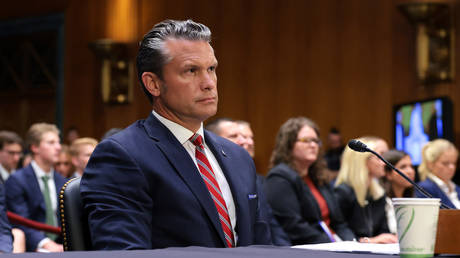
Hours after those remarks aired, the administration signaled its true intent by elevating Stephen Miller—the architects and ideological driver behind the hardline immigration agenda—to the role of White House Chief of Staff. Officials inside the Department of Homeland Security didn't miss a beat. Internal directives remained unchanged, and enforcement goals aimed at reaching thousands of arrests daily stayed locked in place.
What Is Actually Happening on the Ground
Talk show panels love to debate political optics, but daily life in immigrant communities tells a brutally practical story. Activists and legal coordinators in places like South Florida report that calls from detained individuals haven't dropped off at all.
The operations remain wide-ranging and aggressive:
- Agents continue routine checks at check-in offices, turning scheduled appointments into apprehension sites.
- Enforcement actions stretch across everyday locations, including parking lots, supermarkets, and gas stations.
- Field personnel maintain that holidays and weekends offer no pause, keeping enforcement active around the clock.
This isn't an agency in retreat. With funding secured through multi-year budgets and a leadership team that views compromise as a weakness, the operational machinery has plenty of fuel to keep running at full capacity.
The Looming Clash with a New Congress
The upcoming shift in congressional power guarantees a brutal legislative collision. With opposition lawmakers preparing to take control of key committees, federal immigration policies are about to face intense, aggressive oversight. You can expect a flurry of subpoenas, heavy scrutiny over enforcement spending, and attempts by newly empowered local leaders to pull back on cooperation agreements with federal agencies.
Yet, executive power in this arena is hard to break through legislative pressure alone. The administration holds substantial financial backing and veto leverage, meaning any attempt by Congress to defund or stall ICE will face an uphill battle. State and local friction will increase, especially as mayors in major cities direct local police to cut ties with federal operations. But federal agents don't rely solely on local police compliance to execute their mandates.
Political posturing and election-year regrets fade quickly when power is on the line. The numbers on the ground prove that mass enforcement is here to stay, regardless of what the ballot box said.